Guideline Group, Eye Doctors Disagree On Vision Tests For Seniors

How much value is there for seniors in staring at the eye chart in the primary care doctor's office?

How much value is there for seniors in staring at the eye chart in the primary care doctor’s office? Tim Pannell/Corbis hide caption

toggle caption Tim Pannell/Corbis

Some doctors and a key group of preventive care experts aren’t seeing eye to eye on seniors’ need for vision screening during primary care visits.

There’s not enough evidence to know whether giving seniors a vision test when they visit their primary care doctor will lead to earlier detection and treatment of cataracts, age-related macular degeneration or refractive problems that could require corrective glasses or contacts, according to guidelines published March 1 by the U.S. Preventive Services Task Force in JAMA, the Journal of the American Medical Association.

The task force, an independent group of medical experts, evaluates the scientific evidence related to preventive services for patients that don’t have symptoms or signs of medical problems. Under the health law, services that the task force assigns a grade of A or B based on the strength of the evidence must generally be covered by health plans, including Medicare, without charging consumers anything out of pocket.

In this instance — screening for impaired visual acuity in people age 65 and older — the task force assigned an I grade, saying the evidence was insufficient to assess the balance of benefits and harms of screening, the same grade it assigned screening in 2009 when it last reviewed the evidence.

An organization of eye doctors and surgeons criticized the task force recommendation. In an editorial published in JAMA Ophthalmology, Dr. David Parke II, chief executive officer of the American Academy of Ophthalmology, argued that the task force didn’t give enough weight to supporting evidence about the health and quality of life benefits of identifying and addressing visual problems early.

There’s a misperception that seniors get an eye exam every year, Parke said in an interview, but many don’t. “This is simply an issue of whether it makes sense, when a senior is in a primary care situation, to look at an eye chart and see if they can see well,” said Parke. “For a substantial percentage of seniors it may uncover a treatable disease.”

The task force report said that up to 15 percent of people age 65 and older reported having problems seeing, even with corrective lenses. Many visual problems increase with age, including cataracts, which are a clouding of the lens of the eye, and age-related macular degeneration, in which part of the retina deteriorates.

While agreeing that early detection is generally important, Dr. Alfred Sommer said it is unlikely that having seniors read an eye chart at their primary care physician’s office would identify many serious eye problems. Sommer, an ophthalmologist and professor of epidemiology at Johns Hopkins Bloomberg School of Public Health who also wrote an editorial in JAMA Internal Medicine about the vision guidelines. It said that an eye test can identify refractive problems, but that it isn’t likely necessary. “Most people get glasses when they feel they need them,” he said.

For other eye conditions, such as macular degeneration, glaucoma and diabetic retinopathy, it’s unclear that screening asymptomatic seniors in a primary care screening will be beneficial, Sommer said. That’s because “none of those conditions necessarily reduce your vision until they’re bad,” and probably wouldn’t be picked up with a simple vision test, he said.

Cataracts, meanwhile, can reduce vision early but aren’t more difficult to treat at a later stage, Sommer said.

The American Academy of Ophthalmology’s own recommendations call for people age 65 and older to have a comprehensive eye exam with an ophthalmologist every year or two. For seniors who are concerned about eye health, that’s good advice, Sommer said.

Kaiser Health News is an editorially independent news service supported by the nonpartisan Kaiser Family Foundation. Email questions or suggestions for future columns:KHNHelp@KFF.org. Michelle Andrews is on Twitter: @mandrews110.

This entry passed through the Full-Text RSS service – if this is your content and you’re reading it on someone else’s site, please read the FAQ at fivefilters.org/content-only/faq.php#publishers.

California To Permit Medically Assisted Suicide As Of June 9

Debbie Ziegler holds a photo of her late daughter, Brittany Maynard, while speaking to the media in September after the passage of California's End Of Life Option Act. Maynard was an advocate for the law.

Debbie Ziegler holds a photo of her late daughter, Brittany Maynard, while speaking to the media in September after the passage of California’s End Of Life Option Act. Maynard was an advocate for the law. Carl Costas/AP hide caption

toggle caption Carl Costas/AP

California Gov. Jerry Brown signed landmark legislation last October that would allow terminally ill people to request life-ending medication from their physicians.

But no one knew when the law would take effect, because of the unusual way in which the law was passed — in a legislative “extraordinary session” called by Brown. The bill could not go into effect until 90 days after that session adjourned.

The session closed Thursday, which means the End of Life Option Act will go into effect June 9.

“We’re glad to finally have arrived at this day where we have a date certain,” says Sen. Bill Monning, D-Carmel.

“It’s a historic achievement for California, and for a limited universe of people dealing with a terminal illness,” Monning says. “It could indeed be a transformative way of giving them the option of a compassionate end-of-life process.”

Disability-rights advocates fought hard last year against passage of the legislative act, and they continue to voice concern.

Marilyn Golden, senior policy analyst with the Disability Rights Education & Defense Fund, says it would be impossible to know, for example, if a depressed patient went to many doctors — who all denied the request for lethal medication — before finding one who agreed to write the prescription.

“We are looking ahead at measures to protect people from abuse,” Golden says, “and to explore and inform doctors, nurses and pharmacists that they don’t have to participate.”

As written, the law requires two doctors to agree, before prescribing the drugs, that a patient has six months or less to live. Patients must be able to swallow the medication themselves and must affirm in writing, 48 hours before taking the medication, that they will do so.

California is the fifth state to permit this option at the end of life. It joins Vermont, Oregon, Washington and Montana.

Across the state, some patients with advanced cancer welcomed the news.

“It gives me a great peace of mind to know that I will not be forced to die slowly and painfully,” says Elizabeth Wallner, in a release from Compassion & Choices, an aid-in-dying advocacy group. Wallner, 52, of Sacramento, is a single mother with stage 4 colon cancer that has spread to her liver and lungs.

“It gives great comfort to know that the agonizingly traumatic image of me suffering will not be my family’s last memory of me,” she says.

Monning says he’s grateful to people who worked for passage of the law, some in their final days:

  • Brittany Maynard, an Orange County, Calif., woman with brain cancer, moved to Oregon to take advantage of laws there that allowed her to get lethal medication. Before she died in 2014, she recorded a video that was shown during hearings on the End of Life Option Act in Sacramento.
  • Jennifer Glass, of San Mateo, Calif., helped to launch the campaign in 2014, then died of lung cancer last year.
  • Christy O’Donnell, 47, of Los Angeles, died of lung cancer last month.

“I really believe,” Monning says, “we use today to mark and dedicate the memory of some true champions.”

This story was produced by member station KQED’s blog State of Health.

This entry passed through the Full-Text RSS service – if this is your content and you’re reading it on someone else’s site, please read the FAQ at fivefilters.org/content-only/faq.php#publishers.

Hospitals Adapt ERs To Meet Patient Demand For Routine Care

Katherine Streeter for NPR
3:55

Download

Katherine Streeter for NPR

When it’s time for medical care, where do you go? The doctor’s office? An urgent care clinic? Or the nearest hospital?

As many as 1 in 3 Americans sought care in an ER in the past two years, according to a recent poll by NPR, the Robert Wood Johnson Foundation and the Harvard T. H. Chan School of Public Health. That relatively high frequency may be a matter of convenience, even though many in the poll also report frustration with the cost and quality of care they received in an ER.

Skipper Beck, for instance, who lives in Holiday, Fla., near Tampa, wasn’t crazy about the care he got. As he remembers it, he was having a great Friday, playing beach football on Florida’s Gulf Coast, when he hurt himself.

“I hit someone a little too hard, a little bit too low,” says Beck, who is 36 years old.

By that evening, Beck couldn’t rotate his shoulder. It was painful to lift any weight, he says. He thought maybe he’d dislocated the shoulder, fractured it, or maybe torn something. So, late that night, he headed to the ER.

The medical staff ran tests, put him in a sling and sent him on his way – 4 1/2 hours later. “Honesty I felt like cattle,” he says. “Kind of ‘get me in, get me out.’ “

Beck thinks the cost for his ER visit was unreasonable, and he felt like the doctors didn’t care about him. In fact, about a quarter of the people NPR polled in Florida say the ER care they got was fair or poor, and only a third say it was excellent.

The relatively high cost and no-frills treatment in traditional emergency departments may be because most ERs are designed to treat life or death emergencies — gunshots, a heart attack, a bad car accident.

But 47 percent of recent patients in the U.S. say they seek care in an ER for non-urgent reasons. They go because it’s convenient, says, Robert Blendon, a professor of health policy and political analysis at Harvard’s T.H. Chan School of Public Health.

Many (28 percent) say their main reason for choosing an ER for treatment, instead of a doctor’s office, urgent care facility or community health clinic was because the other facilities weren’t open, or the poll respondent couldn’t get an appointment. About 3 percent nationally — and 8 percent in Florida — say they mainly chose an ER for treatment because the other facilities were too far away.

“Almost a third of people in Florida have used an ER in the last two years,” Blendon says.

Many people assume that the only patients who choose an ER for care that’s not an emergency are poor and uninsured, and don’t have a regular doctor. But Blendon says that’s an oversimplification: In fact, more than 80 percent of Floridians polled who used an ER are covered by health insurance.

What can be done to shift more of the non-urgent cases out of the ER?

Ryan Torres, drawing in his driveway, recently went to the ER at Nemours Children's Hospital in Orlando.

Ryan Torres, drawing in his driveway, recently went to the ER at Nemours Children’s Hospital in Orlando. Courtesy of Delilah Torres hide caption

toggle caption Courtesy of Delilah Torres

It would help, Blendon says, if the medical world were more responsive to the problem. For instance, more community doctors could hold some office hours on evenings or weekends, so they could potentially see a patient like Skipper Beck late on a Friday, or see patients on short notice when they’re sick.

“I’m hoping we’ll change a bit of the discussion,” he says. “You have to have a place to go, and the hours have to reflect the life of people.”

But ERs are important to hospital revenue, and people seek help there for many reasons. So some hospitals are trying to make the ER experience more convenient for patients. Some emergency departments now allow patients to schedule appointments, for instance. And others modify their care and facilities to attract a particular subset of the community — such as the parents of sick or hurt children.

Delilah Torres, whose 10-year-old son, Ryan, has Down syndrome, appreciates that sort of special attention to kids.

“There were many times, many times in the past when I waited before taking Ryan to the emergency room because I knew how stressful it is to sit at the waiting room for hours,” she says.

A few weeks ago, Torres had a very different experience at Nemours Children’s Hospital in Orlando, Fla. When she and her son arrived in the ER, she says, the staff brought Ryan into a special room, with soothing music and toys, and talked to his mother about what upsets him.

Torres says Ryan is strong, and four nurses are usually needed to draw blood from him, or put in an IV line.

“This time was the first time it actually only took two nurses to put a line in Ryan,” she says.

The Nemours Children’s Hospital, in central Florida, is just a few years old. Its waiting room is painted in bright colors, and has round, plushy cubby holes cut into the wall for fun seating for the kids. Free slushies are available in the ER.

The ER in Nemours Children's Hospital in Orlando offers kids toys and noise-canceling headphones to help soothe nerves during treatment. Some parents say they choose this ER over closer hospitals because it better meets their kids' needs.

The ER in Nemours Children’s Hospital in Orlando offers kids toys and noise-canceling headphones to help soothe nerves during treatment. Some parents say they choose this ER over closer hospitals because it better meets their kids’ needs. Abe Aboraya/WMFE hide caption

toggle caption Abe Aboraya/WMFE

Cara Harwell, a nurse practitioner there, points out a sign that says REACH: Respecting Each Awesome Child Here.

“We want the parents to self-identify that they have a child with autism or a similar condition, like a sensory processing disorder or a mental health disorder,” Harwell says.

That friendly approach in the ER will help the hospital’s “patient satisfaction scores,” she says. Funding is partly tied to performance in those rankings, and hospital officials are studying how it affects other aspects of care.

“Before we even put our hands on them, if we can know what the child likes and doesn’t like, we can prevent them from becoming … agitated [and from hurting] themselves or someone else,” Harwell says. “We can also reduce the use of sedatives or restraints.”

Of course, hospitals have yet another motivation to improve a patient’s experience of the ER visit: A well-run emergency room can be profitable, and parents like Delilah Torres will drive 30 minutes past another hospital to get to one that better meets her needs.

This entry passed through the Full-Text RSS service – if this is your content and you’re reading it on someone else’s site, please read the FAQ at fivefilters.org/content-only/faq.php#publishers.

Medicare Looks To Cut Drug Costs By Changing How It Pays Doctors

Erbitux is used to treat cancers that start in the head and neck and tumors there that spread from other parts of the body. Because its effectiveness varies, should the price also?

Erbitux is used to treat cancers that start in the head and neck and tumors there that spread from other parts of the body. Because its effectiveness varies, should the price also? Dr. P. Marazzi/Science Source hide caption

toggle caption Dr. P. Marazzi/Science Source

Medicare is going to test new ways to reimburse doctors for medications, in hopes they’ll choose less expensive drugs.

The plan would alter Medicare Part B, which pays for medicines administered in doctors offices or outpatient hospital clinics — to eliminate incentives for doctors to use the most expensive drugs.

The changes would have an outsize effect on cancer doctors and clinics. Medicare Part B shelled out about $7.8 billion on cancer drugs in 2014, or 42 percent of its total spending on drugs that year.

The program now reimburses the doctors or clinics for the cost of the medication plus a 6 percent fee. That means doctors and hospitals earn more money when they use pricier drugs.

As it is now, Dr. Patrick Conway, chief medical officer for the Centers for Medicare and Medicaid Services, called the reimbursement structure “perverse.”

“We’ve heard from oncologists who feel pressure from their health system to pick higher cost drugs even when they are not appropriate for a patient,” he said in a conference call with reporters on Tuesday.

The agency plans to test a reimbursement formula that would pay the cost of the drug, plus a 2.5 percent surcharge and a flat fee of $16.80.

Under the current system, a doctor earns just 60 cents for administering a $10 medication. An equivalent drug that cots $1,000, however, would bring in $60. Under the proposed formula, the cheaper drug in this example would generate a payment of $16.93 and the second one $41.80, according to CMS.

CMS officials say that change would mostly eliminate the incentive to choose a high priced drug over one that may be more appropriate. Medicare Part B spent about $20 billion on outpatient medicines last year.

“We’re trying to align the incentives to what’s best for patients and doctors,” Conway said.

The Medicare Part B plan would also reduce or eliminate the share of the drugs’ costs that patients have to pay.

Dr. Peter Bach, director of The Center for Health Policy and Outcomes at Memorial Sloan Kettering Cancer Center, says research shows doctors prescribe higher priced drugs when they bring in more profit.

“It is refreshing to see Medicare move towards an experiment where they pay for drugs using a flat fee reimbursement, where what doctors and hospitals make is related to giving the drug, not how much it costs,” Bach said in a statement to Shots.

But other cancer doctors aren’t so thrilled.

The American Society of Clinical Oncology opposes the CMS proposal. The proposal could have a major effect on oncologists because many cancer patients receive their chemotherapy treatments in doctors offices or clinics.

“It is inappropriate for CMS to manipulate choice of treatment for cancer patients using heavy-handed reimbursement techniques,” said ASCO CEO Allen Lichter in a statement posted on the physician group’s website.

ASCO, the Pharmaceutical Research and Manufacturers Association and about 100 other physician and advocacy groups sent a letter to Health and Human Services Secretary Sylvia Burwell last week opposing the payment changes.

“We believe that this type of initiative, implemented without sufficient stakeholder input, will adversely affect the care and treatment of Medicare patients with complex conditions,” the letter said.

The agency plans to field test the new reimbursement formula, as well as a handful of others ideas, in different regions of the country starting later this year. CMS will then compare the results to determine which changes are effective at reducing drug spending.

CMS is also planning to test a handful of so-called value-based pricing ideas. The first would pay for drugs according to how well they work.

For example, if a cancer medication is very effective in eliminating a specific tumor, but is also used on a second, different condition with less success, Medicare will pay less when it is used for the second condition than the first. Sloan Kettering’s Bach, who served as an adviser to CMS on cancer policy in 2005 and 2006, argued for varying payments for drugs this way in a 2014 paper published in JAMA, the Journal of the American Medical Association. The approach is called indication-based pricing.

The agency also plans to work with drugmakers to link prices to patient outcomes, perhaps paying less for medications when patients end up being admitted to a hospital.

Private insurers and pharmacy benefit managers have been testing similar ideas.

Cigna last month said it had agreed with drugmaker Novartis on a pay-for-performance deal for the heart failure drug Entresto. Under the agreement, Cigna will pay less if patients taking the medication are hospitalized for heart failure.

And Express Scripts, the biggest manager of pharmacy benefits, says it’s working with cancer drug manufacturers to pay indication-based prices that tie cost to how well the drugs perform.

The CMS proposal is open for public comment until May 9. Conway said the field tests will begin after the comment period is complete.

This entry passed through the Full-Text RSS service – if this is your content and you’re reading it on someone else’s site, please read the FAQ at fivefilters.org/content-only/faq.php#publishers.

'Dentist Of Horror' Allegedly Mutilated Scores Of Patients In France

Dutch dentist Jacobus Van Nierop in his dental office in Chateau-Chinon, France, in 2009.

Dutch dentist Jacobus Van Nierop in his dental office in Chateau-Chinon, France, in 2009. Christophe Masson/AP hide caption

toggle caption Christophe Masson/AP

The Dutch dentist was initially welcomed to the rural French town of Chateau-Chinon, which had been without a dental care provider for two years.

Then the horror stories started.

Now Jacobus Van Nierop is standing trial on charges of aggravated assault and insurance fraud, after scores of patients said he caused them injuries since arriving in town in 2008, Agence France-Presse reports. If found guilty, he could be sentenced to as many as 10 years in prison and fined up to $165,000, according to AFP.

The Associated Press has this account from a woman who said she was treated by the “Dentist of Horror,” as he has been dubbed in French media:

“One patient, Sylviane Boulesteix, has said she was unexpectedly summoned to the dental office in central-eastern France in May 2012. Without warning, the dentist pulled eight of her teeth out and immediately fixed dentures on her raw gums. For three hours, the elderly woman says she sat gushing blood.

“In the following days, she says Van Nierop refused to relieve her pain. A judicial expert later described a ‘cruel and perverse’ man whose incompetence made Boulesteix lose several health teeth, go through trauma and suffer irreversible damage to her mouth.”

The town of Chateau-Chinon, where Van Nierop is accused of mutilating dozens of patients.

The town of Chateau-Chinon, where Van Nierop is accused of mutilating dozens of patients. Jeff Pachoud/AFP/Getty Images hide caption

toggle caption Jeff Pachoud/AFP/Getty Images

According to AFP, some patients said they would wake to find notes asking them to come back for further treatment:

” ‘Every time, he would give us what he called ‘a little prick’ and we were asleep, knocked out,’ said Nicole Martin, a retired teacher who lost several teeth to abscesses caused by the horrific operations.

” ‘When it was over, we would find a Post-it note saying to come back for an appointment the next day or the day after,’ she added.”

Martin set up a victims’ group to press charges that grew to more than 120 members, according to AFP.

Van Nierop, 51, has said he “suffers from ‘psychological problems’ including gender identity issues and suicidal tendencies,” AFP reports.

He had a blanket over his head when he arrived today at the courthouse in the nearby city of Nevers, AFP reports. He has been incarcerated for the past 18 months.

“What my clients and I expect are explanations,” Charles Joseph-Oudin, who is representing some of the victims, tells AFP. “To understand how Mr. Van Nierop could have acted in such a way for so long, how things could have become so bad. Today, we have no explanations. Understanding is the first step of the victims’ healing process.”

According to the AP, the defendant has “refused to answer questions during the investigation, saying only that the oral health of the people in the region was ‘deplorable.’ “

Van Nierop was arrested in 2013 but was released and then fled to Canada, AFP reports. He was found in New Brunswick in 2014, extradited to the Netherlands and then sent back to France to stand trial.

According to Vice, the Van Nierop case highlights the problem of France’s 192 ” ‘medical deserts’ — areas where the authorities have failed to find successors for retiring doctors.” Vice says some 2.5 million people live in these areas.

This entry passed through the Full-Text RSS service – if this is your content and you’re reading it on someone else’s site, please read the FAQ at fivefilters.org/content-only/faq.php#publishers.

Medical Bills Still Take A Big Toll, Even With Insurance

Barbara Radley, of Oshkosh, Wis., has diabetes, liver failure and scleroderma. Even filing for bankruptcy early last year didn't stop her financial woes, she says. The medical bills keep piling up.

Barbara Radley, of Oshkosh, Wis., has diabetes, liver failure and scleroderma. Even filing for bankruptcy early last year didn’t stop her financial woes, she says. The medical bills keep piling up. Jason Houge for NPR hide caption

toggle caption Jason Houge for NPR

For Barbara Radley, there is “before” and “after.” Before was when she could work — moving furniture, and driving a long-haul truck.

“It was nothing for me to throw a couch on my back and carry it up a flight of stairs,” says the 58-year-old from Oshkosh, Wis.

Then there’s after. After she herniated five disks in her back. And after, she says, her blood pressure medicine destroyed her pancreas.

Now Radley is disabled, suffering from diabetes, liver failure and scleroderma.

And she is bankrupt.

“Well, the medical bills were just piling up,” Radley tells Shots. “We couldn’t handle it. We just couldn’t keep up.”

Radley is among the 26 percent of people in a recent poll who say health care expenses have taken a serious toll on family finances. The poll, conducted by NPR, The Robert Wood Johnson Foundation and Harvard’s T.H. Chan School of Public Health, shows that even people with medical insurance are still struggling to pay medical bills.

Radley and her husband, also a mover, were getting by on his paycheck and her disability payments, which together brought in about $30,000 a year.

But, two years ago, they were hit with a double whammy. His company changed to a health insurance plan that required the couple to pay higher premiums — about $700 a month — higher copays and a $5,000 deductible.

Then her husband needed emergency surgery and missed a few months of work.

“That just killed us financially,” Radley says.

They moved out of their family home and rented a place from her daughter-in-law. They stopped eating out — except once in a while, when they’d get a free meal at their church.

Still they ended up in bankruptcy early last year. They were able to write off their old medical debt, but the health problems didn’t go away. Barbara’s costs are constant and her husband had another surgery last fall. In the past 12 months they’ve racked up an additional $10,000 in unpaid medical bills.

“Everybody wants your money and it’s like, ‘Well, stand in line; you ain’t gonna get none,’ ” Radley says with exasperation.

According to the poll, Radley has plenty of company. Of the people who said health costs have caused them serious problems, 7 percent ended up in bankruptcy.

Radley now makes Faustian bargains on a regular basis.

This week, Radley has been debating whether to take out a payday loan or sell something on Craigslist to cover her insurance plan's $454 copay for a two-month supply of insulin.

This week, Radley has been debating whether to take out a payday loan or sell something on Craigslist to cover her insurance plan’s $454 copay for a two-month supply of insulin. Jason Houge for NPR hide caption

toggle caption Jason Houge for NPR

“There are times I check my blood for my insulin and I know I only have two pens left,” she says. “And I really can’t afford it for another week and a half. Well, then I take a lower dose of my insulin. Otherwise I’ll just skip it.”

But skipping insulin also can be dangerous, Radley knows.

“If I would skip it for several days that would put me in the hospital,” she says, “and that just gives me more bills.”

On Monday she was trying to decide whether to take out a payday loan or sell something on Craigslist to cover her insurance plan’s $454 copay for two months of insulin.

A study last year by the Kaiser Family Foundation found that companies are shifting health care costs to their employees. Workers’ share of health insurance premiums for their families rose 83 percent from 2005 to 2015, the survey shows. The amount employees had to pay for deductibles for individual insurance increased 255 percent from 2006 to 2015. The increases are far higher than growth in workers’ wages.

That hurts the sickest people the most, says Linda Blumberg, a senior fellow in health policy at the Urban Institute. A study by her organization shows health care has become more affordable since the Affordable Care Act was implemented two years ago. Still, the research found, about 17 percent of adults in the U.S. continue to struggle to pay their medical bills.

“When we see higher deductibles, higher copays, higher coinsurance, higher out-of-pocket maximums on these insurance plans, the people who are most affected are those that have the most need for medical care,” Blumberg says.

About 15 percent of those in NPR’s poll say that at least once in the past two years, they couldn’t get the health care they needed. And 58 percent of those said it was because they couldn’t afford it.

Separately, 19 percent of poll respondents say they didn’t fill a prescription because of the cost. Mary Lena Warden, 78, of Cleveland, Texas, is among them.

Warden lives alone and uses a wheelchair to get to the drugstore around the corner and to her doctor down the road. She pays $147 a month for Medicare, the government health insurance program for the elderly and the disabled. That’s out of the $1,400 she gets each month in Social Security payments.

Warden says she doesn’t qualify for extra help, like food stamps or Medicaid, the federal health care program for the poor.

“All my money is gone by the time I pay my rent, my gas, my lights, my water and my copay for the doctor,” Warden says. “Everything else is gone.”

Just two weeks ago, Warden skipped an appointment for an echocardiogram because she couldn’t afford the $100 copay. And she is trying to decide whether to fill a prescription for a drug called Neurontin, which dulls the nerve pain in her leg — pain caused by a severe car accident. The last time she picked up the drug, her copay was $159.95.

“Right now I’m afraid to even buy medicines,” Warden says. “I can’t afford ’em.”

Medicare, like more and more health plans, leaves lot of expenses for patients to cover, says Drew Altman, CEO of the Kaiser Family Foundation.

“The public perception may be that, because Medicare is so popular, it is gold-plated Cadillac coverage,” Altman says. “But people who are on Medicare know that those costs can really bite.”

Altman says Obamacare has given nearly everyone in the U.S. access to health care. About 89 percent of people now have insurance in some form, according to the Department of Health and Human Services.

But simply having insurance isn’t always enough.

The next big challenge, Altman says, is to stop people from going broke when they get sick.

This entry passed through the Full-Text RSS service – if this is your content and you’re reading it on someone else’s site, please read the FAQ at fivefilters.org/content-only/faq.php#publishers.

Medicaid Rules Can Thwart Immigrants Who Need Dialysis

Repeatedly waiting to start dialysis until a patient is having an emergency can lead to serious, long-term health problems.

Repeatedly waiting to start dialysis until a patient is having an emergency can lead to serious, long-term health problems. iStockphoto hide caption

toggle caption iStockphoto

Carla used to get dialysis a couple of times a week at the public hospital in Indianapolis, Eskenazi Hospital. She would sit in a chair for hours as a machine took blood out of her arm, cleaned it and pumped it back into her body.

Then one day in 2014, she was turned away.

Even though her lungs were full of fluid, the doctors said her condition wasn’t urgent enough to treat that day, she says. “I explained to the doctors that I couldn’t breathe,” she recalls, “and they told me it wasn’t true, that I had to wait three more days.”

So she waited as toxins continued to build up in her blood, and fluid gathered in her lungs. Standard treatment for people with kidney failure is dialysis every two to three days. But at that point, Carla was getting it about every 10 days, and sometimes ended up in the ICU because her symptoms were so severe.

“I was like that for three months, suffering, throwing up. I couldn’t eat anything,” she says. “It was really hard for my daughter and my mom and dad to see me like that.”

Eskenazi Hospital declined repeated interview requests for this story.

Carla is just 31, but her kidneys no longer function, damaged by the autoimmune disease lupus, which she’s had since her early 20s. To stay alive, she needs regular dialysis, but getting treatment has been difficult as an immigrant who entered the country illegally. (Her legal status is why we’re not using her last name.)

Carla can’t afford private health insurance. And like the estimated 5,500 immigrants in the U.S. illegally who need dialysis, the only publicly funded insurance she’s eligible for is a government program called Emergency Medicaid.

But in most states, including Indiana, hospitals can’t bill Emergency Medicaid until they know for sure they’re dealing with an emergency. So for kidney disease, doctors will often wait until there are dangerous levels of potassium in the blood or fluid in the lungs — levels they deem urgent enough to merit hospitalization.

Carla’s doctor, Melissa Anderson, is a nephrologist in Indianapolis. She says she quit working at Eskenazi partly because repeatedly delaying dialysis harms the patients.

“You see them one day, and then you see them two months later, and they’ve aged and you can see the suffering. … You know they might die before you see them again,” she says. “It’s heart-wrenching.”

For many doctors who treat kidney disease, it’s an ethical issue. In fact, the Renal Physicians Association published a statement saying that dialysis for noncitizens should be covered by Emergency Medicaid.

“They’re here, they’re working and live with us, they are part of our communities,” says Michael Gardner, a doctor and hospital administrator in Houston who deals with this issue. “To ignore that they require health care like anyone else in the country — I think it’s morally suspect, and I think it’s fiscally foolish.”

He says it’s “fiscally foolish” because it costs a lot more to wait for emergencies. Instead of just paying for dialysis, you end up with more expenses, such as ER charges, lab charges, X-ray charges and medication charges.

In a paper published in 2007, researchers from Baylor College of Medicine found emergency treatment is 3.7 times more expensive than regular dialysis — costing more than $280,000 a year per patient. And taxpayers are footing the bill.

“It’d be one thing if it was better care for more cost, or worse care for low cost, but it’s bad care for high cost. It’s the worst possible answer,” says Gardner.

He says one better answer is charity care. For instance, Gardner runs the Riverside Dialysis Center in Houston, which gives free dialysis to 176 people, primarily undocumented immigrants.

Another solution is for states to change their Medicaid guidelines to treat the need for regular dialysis as an emergency so hospitals can bill Medicaid for it. Some states, such as California and New York, have already done that. But in Indiana, a bill to fix the issue — authored by state Sen. Jean Breaux — has died in committee for the past two years.

For Carla, the short-term solution was charity care. A local hospital lent her in-home equipment to do peritoneal dialysis. Every night before bed, Carla connects a tube to an opening in her abdomen. The other end of the tube connects to a machine about the size of a couch cushion. While she sleeps, it pumps fluid into her abdomen to clean her blood.

The real goal is to get off dialysis for good. Carla’s doctor has told her that a transplant would be ideal for her, and her brother is even willing to donate a kidney. But her undocumented status means she has no way to get coverage for a transplant operation. She’ll need a visa for that. She applied two years ago, and she’s still waiting for it to come through.

Side Effects Public Media is a collaborative health reporting project based at WFYI in Indianapolis. Jake Harper can be reached at 317-614-0482 or jharper@wfyi.org. Follow him on Twitter: @jkhrpr.

This entry passed through the Full-Text RSS service – if this is your content and you’re reading it on someone else’s site, please read the FAQ at fivefilters.org/content-only/faq.php#publishers.

Doctors Often Fail To Treat Depression Like A Chronic Illness

Most people get treatment for depression from primary care doctors rather than specialists.

Most people get treatment for depression from primary care doctors rather than specialists. Jupiterimages/Getty Images hide caption

toggle caption Jupiterimages/Getty Images

Depression prompts people to make about 8 million doctors’ appointments a year and more than half are with primary care physicians. A study suggests those doctors often fall short in treating depression due to insurance issues, time constraints and other factors.

More often than not, primary care doctors fail to teach patients how to manage their care and don’t follow up to see how they’re doing, according to the study, which was published Monday in Health Affairs. Those are considered effective tactics for treating chronic illnesses.

“The approach to depression should be like that of other chronic diseases,” said Dr. Harold Pincus, vice chair of psychiatry at Columbia University’s College of Physicians and Surgeons and one of the study’s co-authors. But “by and large, primary care practices don’t have the infrastructure or haven’t chosen to implement those practices for depression.”

Most people with depression seek help from their primary care doctors, the study notes. That can be because patients often face shortages and limitations of access to specialty mental health care, including lack of insurance coverage, the authors write. Plus there’s stigma: Patients sometimes feel nervous or ashamed to see a mental health specialist, according to the authors.

Meanwhile, physicians and researchers have increasingly been calling for mental health conditions such as depression and anxiety to be treated like physical illnesses. Historically, those have been handled separately and not always with the same attention and care as things like high blood pressure and heart disease.

The researchers compared strategies for treating depression with those used for asthma, diabetes and congestive heart failure. They surveyed more than 1,000 primary care practices across the country to determine how often doctors’ offices used five steps considered best practices to manage chronic conditions. They include employing nurse care managers; keeping a registry of all patients with a condition that requires regular follow-up; reminding patients to comply with their treatment regimens; teaching them about their illnesses; and giving doctors feedback. Those approaches track with guidelines from the Department of Health and Human Services Agency for Healthcare Research and Quality.

On average, the practices surveyed were least likely to follow those protocols when treating depression. About a third kept registries of patients with depression; the other steps were less commonly used. Less than 10 percent of practices, for instance, reminded patients about their treatments or taught them about the condition.

Doctors were most likely to use those best practices for treating diabetes. Most practices followed at least one of the strategies for managing chronic illness.

Effectively treating any chronic illness requires working with patients beyond single visits, said Dr. Tara Bishop, an associate professor of health care policy and research at Weill Cornell Medical College and the study’s main author. For depression, that means things like following up to see if medication is working or if a dose should be adjusted.

“When we treat high blood pressure, the blood pressure may start at 150 over 95, and then it’s monitored over time until it gets to a level that’s being aimed for,” said Dr. Jeffrey Borenstein, president of the Brain and Behavior Research Foundation. The foundation funds mental health research but was not involved with this study. “If somebody has depression, their symptoms need to be monitored until it gets to a level that the depression is lifted.”

Depression can contribute to other health problems, like pulmonary disease or diabetes, Bishop said. It can make people less productive at work, or less able to have healthy relationships. Unchecked, it can result in suicide.

“If we actually treat depression as a chronic illness and use the level of tools we’re using for diabetes, then we’ll be able to better treat patients – and help them live healthier lives and more productive lives,” she said.

The study didn’t delve into why the gap exists between depression and other medical conditions. But the authors pointed to potential explanations. One is that there’s been a decades-long push to improve how doctors treat diabetes – an effort that has almost been “the poster child” for how to monitor and treat a long-term illness, Pincus said.

And there are time pressures. Diagnosing a patient with depression and following up regularly can take more time than a diabetes blood test or insulin check. Cramming that into a 15-minute visit can get difficult, Bishop said, especially as doctors are increasingly asked to do more with less time.

Plus, she said, while there’s been an effort nationally for the medical profession to better address mental wellness, individual physicians may still struggle.

“It’s almost like a subconscious divide of mental health issues versus physical health issues,” she said.

This entry passed through the Full-Text RSS service – if this is your content and you’re reading it on someone else’s site, please read the FAQ at fivefilters.org/content-only/faq.php#publishers.

Can't Get In To See Your Doctor? Many Patients Turn To Urgent Care

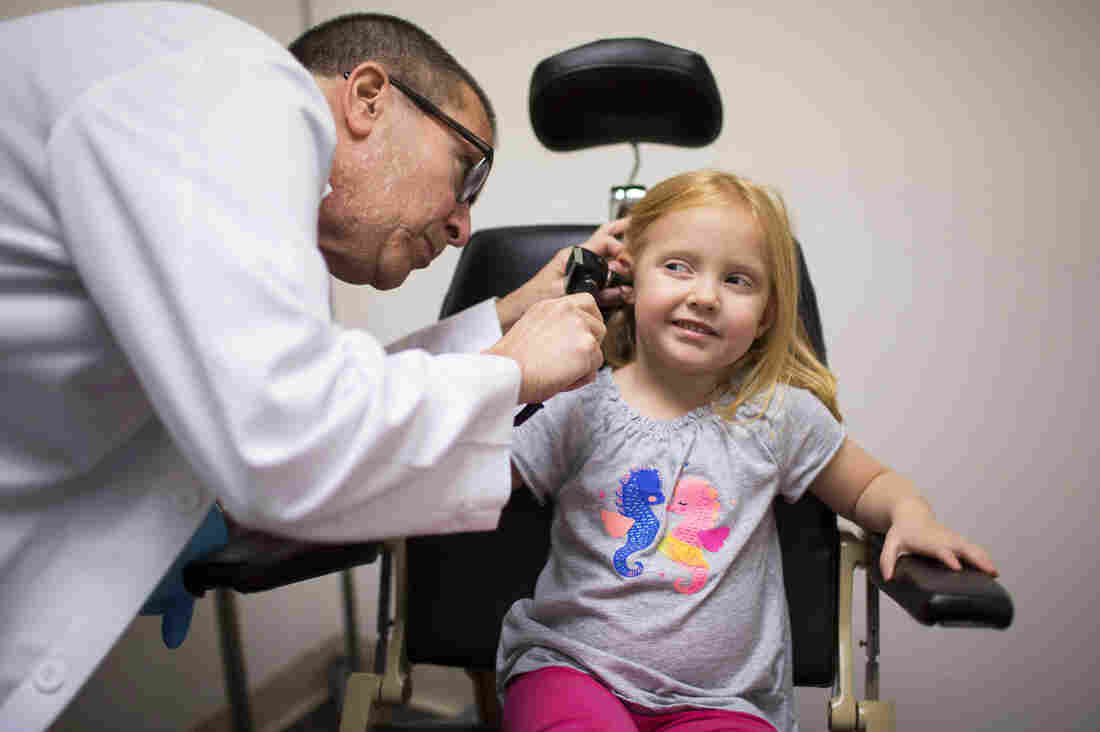
Dr. Max Lebow examines the ear of 4-year-old Charlotte Anderson at Reliant Immediate Care in Los Angeles. Charlotte's mom brought her to the urgent care clinic because Charlotte was having balance problems.

Dr. Max Lebow examines the ear of 4-year-old Charlotte Anderson at Reliant Immediate Care in Los Angeles. Charlotte’s mom brought her to the urgent care clinic because Charlotte was having balance problems. Benjamin Brian Morris for NPR hide caption

toggle caption Benjamin Brian Morris for NPR

Though the majority of Americans have a primary care doctor, a large number also seek treatment at urgent care centers, statistics show. For many people, the centers have become a bridge between the primary care doctor’s office and the hospital emergency room.

Urgent care is not meant for life-threatening emergencies, such as a heart attack, stroke or major trauma, doctors say. But it is designed to treat problems considered serious enough to be seen that day — conditions like a cut finger, a sprained ankle, severe sore throat, or the sort of infection 25-year-old Dominique Page recently experienced.

Page, who lives in Los Angeles, suspected she had a bladder infection when she woke up that morning. Instead of calling her primary care doctor, she headed straight to the nearest urgent care clinic.

“I knew if I made an appointment at my doctor’s office, it wouldn’t be for today,” she explains. “Their appointments are usually booked.”

Page’s decision seems pretty typical. In a recent poll conducted by NPR, the Robert Wood Johnson Foundation and the Harvard T.H. Chan School of Public Health, most people reported going to urgent care because they believe it is more convenient and takes less time than going to their regular doctor. One in 5 said that at least once in the past two years, they were unable to see their regular doctor when they needed medical care, mostly because the doctor didn’t have any available appointments, the office was closed or the doctor was out of the office.

Page went to Reliant Immediate Care, adjacent to Los Angeles International Airport. Walk-in patients are welcome and the clinic is open 24/7.

“We don’t even know where the key to the front door is,” says the clinic’s medical director, Dr. Max Lebow, “because at least in the 10 years that I’ve been here we’ve never closed the front door.”

For years, Lebow says, he worked in a hospital emergency room, where he saw lots of people who “never should have been in the ER in the first place.” In his experience, he says, maybe 20 percent of the ER patients are admitted to the hospital, which means that about 80 percent are sent home.

Lebow (far right) is medical director of this urgent care center run by Reliant Immediate Care Medical. The clinic is adjacent to Los Angeles International Airport and is open 24/7.

Lebow (far right) is medical director of this urgent care center run by Reliant Immediate Care Medical. The clinic is adjacent to Los Angeles International Airport and is open 24/7. Benjamin Brian Morris for NPR hide caption

toggle caption Benjamin Brian Morris for NPR

National statistics suggest an even higher percentage tend to leave the ER without needing a hospital stay. Of those patients, Lebow says, probably 75 percent could be seen in a less intensive setting — like an urgent care center.

After tests, Lebow confirmed that Page had a bladder infection and prescribed antibiotics. Page was relieved to have a diagnosis and treatment. She was in and out in less than an hour, she says, and — even better — her visit cost far less than going to a hospital ER, which charges a “facility fee” just to walk in the door.

That fee — which typically ranges from $300 to $500 — helps cover the cost of having on hand, 24/7, all the equipment and staff needed to treat even the most extreme emergencies, explains Dr. Roger Hicks, an emergency medicine doctor on the governing board of the Urgent Care Association of America.

According to a recent review from the National Center for Health Statistics, visits to the ER can easily run more than $1,000.00 for adults. The average visit to an urgent care center, in contrast, hovers around $150.00.

Nationwide there are now more than 7,000 urgent care centers across the country, and Hicks calls the industry’s growth in the last couple of decades “explosive.” He says patients tell him they appreciate the cost savings and convenience — most urgent care centers are open in the evenings and on weekends and holidays. In large, urban areas, many are open around-the-clock.

Most centers take private insurance and Medicare, although some don’t take Medicaid; Hicks says Medicaid reimbursement doesn’t cover the cost of providing care. Uninsured patients have to pay cash.

In our poll, most patients said they found the cost of their visits “reasonable.” And the majority — 75 percent — rated the care they received as “excellent” or “good.”

But 25 percent of those polled described their care at an urgent care center as just “fair” or even “poor.”

One of those poll respondents was 31-year-old Syntyche Toniy, who lives in Orlando, Fla. Toniy went to her local urgent care center after cutting her hand while gardening, and says she found the process there “disorganized.”

After registering at the front desk, she waited another two hours before seeing a doctor, who then sent her to the hospital emergency room anyway — for stitches.

The location of Reliant's urgent care center near the airport exit makes it convenient for travelers and Los Angeles residents alike.

The location of Reliant’s urgent care center near the airport exit makes it convenient for travelers and Los Angeles residents alike. Benjamin Brian Morris for NPR hide caption

toggle caption Benjamin Brian Morris for NPR

Another woman in Ashland, Ore., who responded to the NPR poll — 69–year-old Carole Lamb — recalls a frustrating experience during her visit to an urgent care center for symptoms of bronchitis. Lamb told the doctor that she’d previously been prescribed a medication for her infection, but it hadn’t worked very well.

As she was explaining the situation, the doctor got up, walked out of the room and sent in an assistant who gave her a prescription for the very same medicine.

“I thought, really?” Lamb says. Fortunately, she adds, she was able to get an appointment within a few days with a new primary care provider — who successfully treated her infection.

Hicks says his association continues to work hard to improve quality and maintain high standards in urgent care centers nationwide. While most centers are stand-alone facilities, some are embedded in large, integrated hospital systems.

At the UCLA Urgent Care facility in Santa Monica, Dr. Vladimir Manuel, the medical director, says the beauty of a large integrated system is that primary care, urgent care and hospital care are all connected, so medical records are shared. Not only is that sort of system more efficient, he says, but patient care is improved, too

For example, Manuel says, if someone with asthma shows up at the urgent care center two or three times for difficulty breathing, Manuel will reach out to the primary care provider and let them know the patient’s asthma is not under control.

He sees his center’s job, in part, as helping each patient establish a better continuity of care, so those sorts of medical emergencies arise less frequently. And if patients don’t have a primary care provider, Manuel helps them find one within the system of UCLA Health.

One thing is for sure, says Hicks: Until the shortage of primary care doctors eases nationally, the number of urgent care centers — and their use — will continue to climb.

This entry passed through the Full-Text RSS service – if this is your content and you’re reading it on someone else’s site, please read the FAQ at fivefilters.org/content-only/faq.php#publishers.

Former Montana Clinic Owner Sues Ministry Group Over Vandalism

Susan Cahill, owner of All Families Healthcare, stands in front of the first building in Kalispell, Mont., where she offered abortion services. After vandalism closed her last clinic down, Missoula became the nearest place for women in the Flathead Valley to find abortion services.

Susan Cahill, owner of All Families Healthcare, stands in front of the first building in Kalispell, Mont., where she offered abortion services. After vandalism closed her last clinic down, Missoula became the nearest place for women in the Flathead Valley to find abortion services. Corin Cates-Carney/MTPR hide caption

toggle caption Corin Cates-Carney/MTPR

All Families Healthcare was vandalized by Zachary Klundt in March 2014. Last spring, he was sentenced in a criminal trial. In an affidavit, police describe destruction to the clinic’s art, iodine all over the floor and severe damage to the building’s heating and plumbing. Klundt later said he broke into the clinic looking for prescription drugs. But Susan Cahill, the physician assistant who owned the clinic, doesn’t believe that story.

Klundt pleaded guilty to three felony charges. He was sentenced to 20 years with 15 years suspended and ordered to pay Cahill and other victims more than $600,000 in restitution. He apologized to Cahill at the end of that trial, though Klundt is appealing his case to the Montana Supreme Court.

Last month, Cahill filed a civil suit alleging that Klundt wasn’t the only person responsible for the destruction of her business. Cahill names Zachary Klundt, his parents, Hope Pregnancy Ministries of Kalispell, Mont., and that organization’s executive director as defendants. She is suing for damages for, among other things, loss of her business, emotional distress and putative damages for “defendants’ malicious actions.”

“If I can do anything to help stop this assault on women’s reproductive health and lives, I’m going to. It’s not just about me, although yes, I would like some compensation,” Cahill says. “I’m not just going to sit down and play dead.”

In the civil case, Cahill alleges that Klundt was an instrument of Hope Pregnancy Ministries to stop her from performing abortions.

Hope Pregnancy Ministries is a non-profit Christian organization that offers free pregnancy diagnosis, alternatives to abortion, parenting education and STI testing in Northwest Montana.

Klundt’s mother, Twyla Klundt, served on its board of directors at the time of the vandalism and resigned from the position immediately after.

“The vandalism of All Families Healthcare was deplorable and regrettable, but it has nothing to do with Hope Pregnancy Ministries,” board chair Joanna Wirth said in a written statement.

The civil suit filed in Montana’s Flathead District Court says that on December 13, 2013, Michelle Reimer, executive director of Hope Pregnancy Ministries, purchased the building in which Cahill had a medical office in Kalispell, and subsequently evicted her.

The suit says Cahill relocated her practice in mid-February 2014, and Klundt vandalized it the following month. It was the only health clinic that provided abortions in Northwest Montana’s Flathead Valley. Cahill has been unsuccessful in finding a new building for her business.

“I can’t open my own place again because no one is going to rent to me. And I don’t know if I had a place if I have the heart to start all over again,” Cahill said.

Cahill now works as a receptionist in her husband’s acupuncture therapy business.

Cahill says she has not seen any of the restitution Klundt was ordered to pay, and has been told by the county attorney’s office that she is unlikely to see much of it, if any, because Klundt won’t be earning much money over his lifetime.

Cahill has demanded a jury trial in her civil suit. The named defendants have until the end of March to respond.

In response to a Montana Public Radio request for comment, a statement released by Hope Pregnancy Ministries said, “Hope Pregnancy Ministries has, for the past 17 years, provided compassionate care to thousands of men and women in this community, and will continue to do so regardless of baseless allegations intended to malign an organization which has always been above reproach.”

The statement also said, “A number of inaccuracies and untruths have been included in recent press releases and media reporting on this matter. Hope Pregnancy Ministries will issue its own press release at a later date to correct the erroneous statements that have been made.”

This story is part of a reporting partnership with NPR, Montana Public Radio and Kaiser Health News.

Evidence Used For The Trial

These photos of a series of text messages between Zachary Klundt and his mother were part of the criminal case against Klundt. The James Armstrong to which they refer was the the first abortion provider in the Flathead after Roe v. Wade and hired Cahill. She opened All Families Healthcare when Armstrong retired in 2006. Photos provided by the attorney representing Susan Cahill in her civil lawsuit against Klundt, his parents and Hope Pregnancy Ministries.

This entry passed through the Full-Text RSS service – if this is your content and you’re reading it on someone else’s site, please read the FAQ at fivefilters.org/content-only/faq.php#publishers.