New Drugs Could Prevent Migraine Headaches For Some People

The first drugs designed to prevent migraines have been found safe and effective in studies, but aren't yet approved by the FDA.

Simone Golob/Getty Images

People who experience frequent migraines may soon have access to a new class of drugs.

In a pair of large studies, two drugs that tweak brain circuits involved in migraine each showed they could reduce the frequency of attacks without causing side effects, researchers report in the New England Journal of Medicine.

“They offer the first migraine treatment that’s actually aimed at the disorder,” says Peter Goadsby, an author of one of the studies and a professor of neurology at King’s College in London.

Current migraine prevention treatments consist primarily of drugs designed to treat high blood pressure, epilepsy and depression. “We give [patients] a choice between a beta blocker where they’ll feel tired, or we tell them they can go on an antidepressant, which will make them sleepy and put on weight,” Goadsby says.

The new drugs use special antibodies to dampen a system in the brain that modulates pain. The effect is a bit like soundproofing, says Stephen Silberstein, a study author and director of the Jefferson Headache Center in Philadelphia.

“You have a kid next door making a lot of noise, you put in soundproofing and all of a sudden you’re quiet,” Silberstein says. “That’s what the antibodies do. They prevent the noise from aggravating the system.”

The idea is to prevent the full range of migraine symptoms including headache, nausea, and sensitivity to light and sound.

Silberstein’s study gave monthly or quarterly injections of an antibody called fremanezumab to more than 700 patients who have chronic migraines. “These patients are having almost daily attacks and they’re greatly impaired by it,” he says.

Nearly half the people who got the drug experienced fewer migraine attacks. And in some people the attacks all but vanished.

In Goadsby’s study, a different antibody called erenumab produced similar results in patients who had up to 14 migraines a month. Neither drug appeared to cause more side effects than a placebo.

The results suggest a brighter future for migraine patients, who have had quite limited options until now, Goadsby says. “I hope it shows patients that this is not an impossible problem. It’s a tractable problem.”

But the drugs did not work for everyone, and their effectiveness was aided by a powerful placebo effect, says Andrew Hershey, who directs the headache center at Cincinnati Children’s Hospital. Even people who got the placebo saw migraine attacks drop by more than 20 percent, meaning the treatment group did better than the placebo group, but not hugely better. Hershey, who was not associated with either study, wrote an editorial accompanying the research.

In it, he describes the benefit of these drugs as “modest but meaningful.”

Also, “every indication is that they will be fairly expensive compounds,” Hershey says, possibly costing thousands of dollars a month. That means they will probably be reserved for patients who are severely disabled by migraines and haven’t been helped by other, less expensive treatments, he says.

The Food and Drug Administration is expected to review the new drugs in the next few months. One or both could reach the market in 2018.

Let’s block ads! (Why?)

Reports: CVS To Buy Health Insurer Aetna For $69 Billion

A CVS store is pictured in 2015 in San Francisco. CVS Health is reportedly preparing to purchase Aetna for $69 billion.

Justin Sullivan/Getty Images

hide caption

toggle caption

Justin Sullivan/Getty Images

CVS is preparing to buy the health insurance giant Aetna for $69 billion, according to multiple news reports citing anonymous sources with knowledge of the deal.

The acquisition, which has been reportedly in talks for months, would be one of the largest such mergers in the history of health care. It would combine CVS Health Corp, which has more than 9,000 pharmacy stores and more than 1,000 walk-in clinics, with an insurance company that covers more than 22 million members.

CVS reportedly will pay $207 in cash and stock for each Aetna share, reflecting a 29 percent premium over Aetna’s share price on Oct. 25, The Associated Press reports. (Oct. 25 is the last day not affected by talk of the sale; on the 26th, The Wall Street Journalreported on CVS and Aetna’s acquisition talks.)

In October, Amanda Starc, associate professor of strategy at Northwestern’s Kellogg School of Management, spoke with NPR about the implications of any deal between CVS and Aetna.

She noted that CVS is not just “the drugstore on the corner.”

“In practice, CVS provides a lot of drug insurance through something called a pharmacy benefits manager,” Starc says. Large national insurers like Blue Cross Blue Shield already contract with CVS for their pharmacy benefits.

In fact, that program accounts for “the majority of their revenue,” Starc says. “So while you might think of them as the drugstore, they’re ultimately a big insurance company.”

Buying Aetna will make CVS even moreof an insurance company, instead of a retail pharmacy, she says.

“It will allow them to have a large, captive audience for that insurance arm, and that might allow them to do a couple of things. They might be able to negotiate lower drug prices from manufacturers by virtue of their sheer size,” Starc says, while noting that doesn’t necessarily mean lower prices for consumers.

“They might also be able to better align your pharmacy benefits and your health care benefits,” she says. For instance, an integrated insurer could “provide pharmacy benefits to incentivize you to do things like fill your blood pressure pills so that you don’t end up in the hospital.”

As The Wall Street Journalpreviously noted, and The New York Times and Bloomberg emphasize today, Amazon is one motivation for CVS to buy Aetna. The web-based behemoth, which has shaken up so many industries, is now eyeing the pharmacy business, prompting companies like CVS to worry about their future.

The Wall Street Journalnotes that Aetna also faces challenges of its own — “A judge’s decision led Aetna earlier this year to give up its planned acquisition of Humana Inc. and [Aetna] has retreated from the unprofitable Affordable Care Act exchange business, leaving it with an unclear path to future growth, analysts say. It also lacks the diversity of larger rival UnitedHealth Group Inc., which has a fast-expanding health-services arm that includes a pharmacy-benefits manager as well as doctor practices and surgery centers.”

Let’s block ads! (Why?)
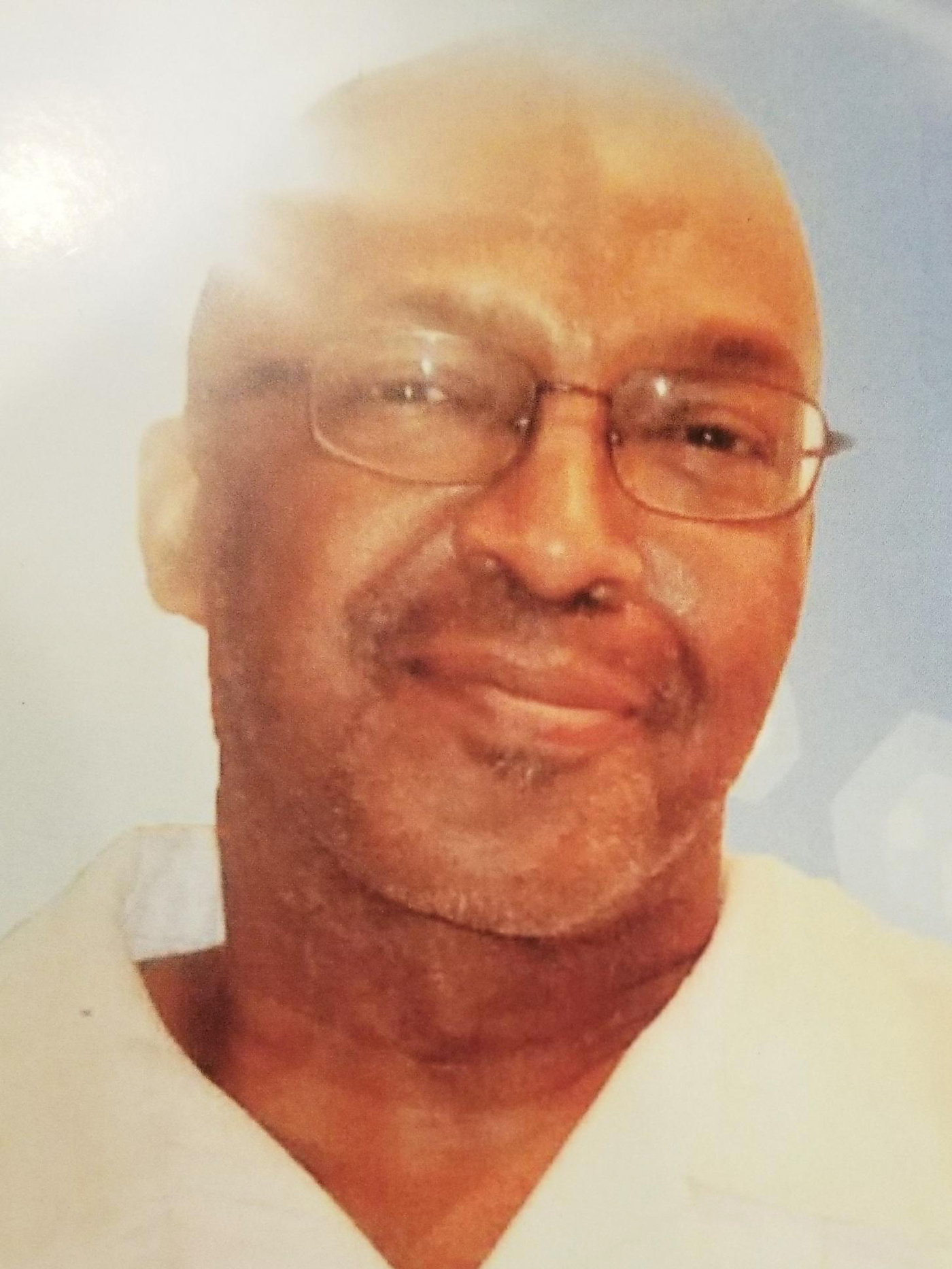
Should Eye Surgeons Fulfill A Dying Man's Wish To See His Family?

Health care workers often make decisions to prolong life for their patients, but what about treatments that make a patient's last days better?

Nicole Xu for NPR

Vincent Thomas had battled multiple myeloma for quite some time and gone through countless treatments and drug regimens, which weren’t stopping his cancer. He and his family made the decision to go on hospice care.

The thing was, his eyesight had failed him. He had significant cataracts, or clouding of the lenses, in both eyes. He couldn’t see his family, he couldn’t drive himself to his doctor’s appointments, and this once-fiercely independent man had to learn to depend on others just to cut his food.

He wanted to see his family before he died.

“He was a really hands-on type of person,” his daughter, India Haashim, says. “So it was frustrating for him because he was so used to being independent and working multiple jobs at a time and not relying on people.”

Although he had only a short time left, Thomas, who was 58 and lived in Detroit, wanted to proceed with surgery to remove his cataracts, even though he was stopping his cancer medications and going on hospice care.

Cataracts surgery allowed Vincent Thomas to regain some independence and see his family in the last weeks of his life.

Courtesy of India Haashim

hide caption

toggle caption

Courtesy of India Haashim

As an ophthalmologist, I consider a cataract a very easily treated disease. The surgery involves removing the natural lens and replacing it with a plastic one. It’s one of the most commonly performed procedures in this country, often takes less than 20 minutes and can be performed under local anesthesia with minimal risk. Patients go home the same day and are often prescribed several different eye drops, but the care is pretty simple. Vision often improves within a few days.

It’s a pretty exciting treatment — I don’t think anything else in medicine gives such instant gratification! It’s kind of like changing a dirty and cracked windshield; the car itself is working fine, but the driver’s view of the road is blocked, so the car is undrivable. Switch out that windshield and voila! Instant improvement.

But Mr. Thomas’ case started an uproar at Michigan Medicine, where I work.

Our anesthesiologist and others on the operating room team were opposed to performing a surgery on a patient on hospice with only weeks to live. The anesthesiologist was trained in Britain and noted that Thomas’ cataracts would never be removed there, where committees decide on the utility of certain treatments and procedures. For someone who would only get a few weeks of “use” out of his surgery, the costs couldn’t be justified. Thomas’ oncologist was concerned about his health and had a serious discussion with him. However, Thomas understood the risks and decided it was worth it to undergo the surgery.

After his surgery, Thomas regained his independence. He was able to drive himself to his appointments. He went to a family reunion where he was able to visit with relatives he had not seen clearly in years, and he could interact with his grandchildren for the last time. He died a few weeks after the operation.

So were we right to perform this surgery? Or were we greedy doctors, only out for the bottom line, driving up the cost of medical care in this country? We see a cataract and need to take it out even though a patient is dying? If you have a hammer, everything looks like a nail, right?

By one estimate, 27 percent of Medicare dollars are spent in the last year of a patient’s life. At the end of the life of a person who is dying from cancer, we often use expensive drugs or painful procedures that a patient must endure to prolong his life. These last-ditch efforts can be expensive and the treatments grueling, at times adding only a few months more of life, which may be pretty painful and difficult.

For patients with multiple myeloma who have failed other treatments, treating their disease and the side effects of the treatment can cost $125,000 to $256,000 per patient. Compared with this, cataract surgery is chump change, at less than $3,000 paid out by Medicare when all fees are counted.

We make heroic, costly efforts to prolong life, but what about treatments that improve life, that make people’s last days better and allow them to finish their days in a meaningful way?

Nancy Belanger, a research scholar at the Hastings Institute, was surprised that this one case created such a stir among Thomas’ care team. She notes that cataract surgery is a quick, highly effective procedure; is pretty straightforward; solves the problem quickly; and makes one’s remaining life better. In oncology and hospice literature, the importance of asking questions such as, “How do you want to spend the rest of your life?” is paramount.

When I asked Dr. Aron Rose, an ophthalmologist at Yale and the chair of the Bioethics Steering Committee for the White House Sub-Saharan Africa Cancer Care Initiative, what he thought about providing cataract surgery to someone with a terminal illness, he said that the ability to improve vision quickly and painlessly is “kind of a no-brainer. … The chances are enormous they will gain a huge boost … during their last period alive.”

Rose often goes to resource-poor regions around the globe to deliver health care, and he notes that while rationing care makes sense in these places where medical expertise, anesthesia and surgical supplies are limited, these ethical principles can’t be applied universally. “If I was in Burma, I would pass on it, because it means that a kid or someone who had 30 or 40 more years to live wouldn’t get the treatment.”

Certainly health care funds are not endless, and we have to take care that we are not wasting money that could be spent elsewhere. And part of our medical training these days centers on being efficient, thoughtful users of health care resources. But I argue that this was such a use. Cataract surgery has been shown to be cost-effective in hospice patients.

Compared with all of Thomas’ other treatments, this was less expensive and had more of an impact on the quality of his final days. Haashim says she hopes other patients like her father will be able to “at least experience their final days as pleasurably as possible.”

As a doctor who has seen what a difference it makes to be able to see one’s family, I can’t imagine giving someone something more precious than sight in his final days.


Julie Rosenthal is an ophthalmologist at the University of Michigan Kellogg Eye Center who specializes in diseases of the retina and vitreous.

Let’s block ads! (Why?)

Children's Health Insurance Program In Jeopardy In Colorado

Colorado contacted families who receive CHIP health care funding with a warning that support might end in January. NPR’s Scott Simon talks with Gretchen Hammer, who runs the Colorado program.

SCOTT SIMON, HOST:

Come February, 75,000 families in Colorado might lose health insurance for their children. That insurance comes through the Children’s Health Insurance Program, or CHIP. And that program pays for health care for children, mostly from working-class families whose parents make too much to receive Medicaid. The program is funded by Congress, but Congress has let that funding expire. States have been using extra funds to try to get by. Now half a dozen states are close to running out of those federal funds, including Colorado.

Gretchen Hammer directs Medicaid in Colorado. She oversees CHIP there. Ms. Hammer, thanks very much for being with us.

GRETCHEN HAMMER: It’s a pleasure.

SIMON: Please help us understand how CHIP funding normally works.

HAMMER: So the federal government pays a portion of the costs of the CHIP program, and states pay the other portion. Right now the federal government pays 88 percent of the costs of the CHIP program in the state of Colorado. And the state, through a variety of different funds, pays for the other 12 percent.

SIMON: And that money’s about to expire?

HAMMER: Yes. The federal financing for the CHIP program expired on September 30. States have the authority to continue to spend federal dollars that they had not spent. And so we anticipate that we’re able to continue to spend those currently allocated dollars until January 31. But after that, there will be no additional federal money for us to continue to operate the program.

SIMON: Unless Congress changes that.

HAMMER: That is correct. Congress can act at any time to reauthorize funding for the program at a national level.

SIMON: What would be the effect of losing that funding be in your state?

HAMMER: So at this point in time, we’re anticipating that we would need to close the program. With such a significant federal investment, it is really difficult for states to find the needed resources to continue the program without any federal financing. So we have notified families and have been preparing the different parts of the program to cease operations on January 31.

SIMON: When you use phrases like close the program and cease operations, I mean, does that mean children will no longer be able to get health care?

HAMMER: Well, what we’re hoping is that families, with enough notice, will be able to look at other options for their children. Some children may be able to get onto their parents’ employer-sponsored coverage. There is also the chance to shop on the state-based marketplace. And some may be able to receive tax subsidies to help support the affordability.

SIMON: But it sounds like a lot of other people would have no alternative.

HAMMER: There is a chance that families may not be able to find something that is affordable.

SIMON: And what happens to the health care system in Colorado if February comes, and there are – I don’t know – thousands of Coloradans who have to come to the hospital, but their care won’t be funded?

HAMMER: It is certainly a concern, and it would be the same thing that happens, unfortunately, today when an uninsured child or uninsured pregnant women has to access services. The hospital and the care provider work with that family. And to the extent that they need to, they become financially responsible for the services that they’ve received.

SIMON: Do you hope Congress re-ups the CHIP program?

HAMMER: We certainly believe that the CHIP program has been very successful. It provides peace of mind and coverage for families, for their children and certainly for pregnant women. The CHIP program in Colorado, and I think nationally, has traditionally enjoyed bipartisan support. It’s been proven to be very effective. And we’re hopeful that Congress will act.

SIMON: Gretchen Hammer directs Medicaid and CHIP in Colorado. Thanks so much for being with us.

HAMMER: It’s been a pleasure. Thank you.

(SOUNDBITE OF RRAREBEAR’S “ESSENCE”)

Copyright © 2017 NPR. All rights reserved. Visit our website terms of use and permissions pages at www.npr.org for further information.

NPR transcripts are created on a rush deadline by Verb8tm, Inc., an NPR contractor, and produced using a proprietary transcription process developed with NPR. This text may not be in its final form and may be updated or revised in the future. Accuracy and availability may vary. The authoritative record of NPR’s programming is the audio record.

Let’s block ads! (Why?)

What We've Learned Treating People With HIV Can Make Care Better For Us All

A memorial honoring victims of the AIDS epidemic sits across the street from the former St. Vincent’s Hospital site in New York City, where many of the early victims of AIDS were diagnosed.

Spencer Platt/Getty Images

hide caption

toggle caption

Spencer Platt/Getty Images

It’s been two decades since we established effective treatment against HIV, rendering what was nearly always a fatal infection to a chronic, manageable condition.

I remember one of the first AIDS patients I met as a medical student in the mid-90s: Harry, a young man losing his sight from an opportunistic infection called CMV retinitis. We had only one drug we could give him to try to stop him from going blind.

Ganciclovir was horrible. Given intravenously, it burned at the infusion site, made him severely nauseous, and caused his already-low blood count to fall. On top of all that, it didn’t work very well.

Days after we discharged him from the hospital, Harry was readmitted with pneumonia caused by Pneumocystisand died. He was 32 years old.

In those years, we saw many patients in the hospital with complications from HIV. They had unusual malignancies like Kaposi’s sarcoma, and other opportunistic infections like toxoplasmosis that we never see in patients with intact immune systems.

In extreme cases, patients simply wasted away, physically and mentally, from AIDS.

Then protease inhibitors were introduced in 1996, and almost overnight the death rate from AIDS plummeted. Now people could live with HIV rather than die from it. Patients with AIDS disappeared from our teaching hospital wards. HIV had become an “outpatient problem.”

Antiretroviral therapy keeps the viral load suppressed in patients infected with HIV. This means not only that they stay healthy, but also are much less likely to transmit the virus to others.

Fortunately, the cocktail of three different medications taken to keep HIV in check, which include a protease inhibitor like darunavir and the newer integrase inhibitors like dolutegravir, have become better tolerated over the years. Today the life expectancy for someone who is HIV-positive is about the same as for someone without HIV — as long as they are able to stay on their medication.

A woman holds the 14 different AIDS medications that she takes three times a day. Antiretroviral drugs have turned HIV from a death sentence into a chronic illness.

Joe Raedle/Getty Images

hide caption

toggle caption

Joe Raedle/Getty Images

For many, though, there are still significant barriers to care that make the not-so-simple act of adhering to a medication regimen near impossible.

Chief among them is access to care. Especially in rural areas, it remains difficult to find practitioners up to date with the latest information in HIV care. In addition, stigma associated with HIV diagnosis and treatment continues to be a formidable barrier to getting care, regardless of location.

Carmel was a patient I cared for years after Harry. She’d been abused as a youngster, which understandably put her in a dark place emotionally. She was isolated from her family, and struggled with drug addiction over the years.

Her HIV eventually progressed to full-blown AIDS because of many fits and starts with her antiretroviral treatment. When I met her, she’d lost her ability to walk due to an opportunistic infection called cryptococcal meningitis.

After three years with numerous hospital admissions, Carmel died. To me, it seemed especially tragic because I knew we had the medical tools to nurse her toward health. But we were unable to cross the psychosocial chasm that Carmel lived beyond to effectively engage her in care.

Even with effective medications, only half of the 1.1 million Americans living with HIV have an undetectable viral load. But this represents progress, as does the fact that 85 percent of Americans infected with HIV are aware of their status, according to the Centers for Disease Control and Prevention.

These are all-time highs, but show that there is still work to be done.

It’s worth remembering that strong, sometimes militant advocacy is what pushed us forward in how we diagnose and treat HIV. Scientific, medical, and social progress occurred more rapidly with HIV than with any other condition before it.

Protestors carry signs at a rally in New York City on October 7, 1995 in New York City. Activists played a key role in speeding research that developed treatments for HIV.

Evan Agostini/Liaison/Getty Images

hide caption

toggle caption

Evan Agostini/Liaison/Getty Images

AIDS activism pushed the research agenda forward, and brought truly holistic care to people diagnosed with HIV. The care model we use for HIV-positive persons is an ideal model for how we could care for everyone—thinking not just about the medical aspects per se, but also about nutrition, medication adherence, transportation, mental health and overall wellbeing.

In Oklahoma, where I practice, the stigma surrounding HIV is still palpable. Fortunately, an organization called Tulsa Cares has blossomed to provide case management and psychosocial and nutritional support to people with HIV and their loved ones. This vastly increases the likelihood that patients will get into treatment and stay with it.

Advocacy for HIV is what led to the dramatic improvements in our ability to care for the illness. On this 30th anniversary of World AIDS Day, let’s remember what a difference holistic care has made for people with HIV and how amazing it would be if such a model spread to all corners of health care.

John Henning Schumann is an internal medicine doctor and serves as president of the University of Oklahoma’s Tulsa campus. He also hosts Studio Tulsa: Medical Monday on KWGS Public Radio Tulsa. You can follow him on Twitter: @GlassHospital.

Let’s block ads! (Why?)

Health Risks To Farmworkers Increase As Workforce Ages

Researchers point to a number of causes for dwindling farmworkers: tighter border controls; higher prices charged by smugglers; well-paying construction jobs and a growing middle-class in Mexico that doesn’t want to pick vegetables for Americans.

Sandy Huffaker/AFP/Getty Images

hide caption

toggle caption

Sandy Huffaker/AFP/Getty Images

That bag of frozen cauliflower sitting inside your freezer likely sprang to life in a vast field north of Salinas, Calif. A crew of men and women here use a machine to drop seedlings into the black soil. Another group follows behind, stooped over, tapping each new plant.

It is backbreaking, repetitive work. Ten-hour days start in the cold, dark mornings and end in the searing afternoon heat.

More than 90 percent of California’s crop workers were born in Mexico. But in recent years, fewer have migrated to the U.S., according to the U.S. Department of Labor. Researchers point to a number of causes: tighter border controls; higher prices charged by smugglers; well-paying construction jobs and a growing middle-class in Mexico that doesn’t want to pick vegetables for Americans.

As a result, the average farmworker is now 45 years old, according to federal government data. Harvesting U.S. crops has been left to an aging population of farmworkers whose health has suffered from decades of hard labor. Older workers have a greater chance of getting injured and of developing chronic illnesses, which can raise the cost of workers’ compensation and health insurance.

“The slowdown is happening,” says Brent McKinsey, a third-generation farmer and one of the owners of Mission Ranches in Salinas. “You start to see your production drop, but it’s difficult to manage because there aren’t the younger people wanting to come in and work in this industry.”

After a long day hunched over, cutting and bunching mustard leaves, Gonzalo Picazo Lopez, a farmworker, says the pain shooting down his leg is acting up. Lopez has been working in the fields since the 1970s, when he crossed over from Mexico. At 67 years old, he looks timeworn, with silver hair and a white beard. Deep lines mark his face.

As Lopez describes how he carefully picks the leaves with his right hand and bunches with his left, he opens and closes his fingers with difficulty.

“In 2015 my left hand started to hurt,” says Lopez. “I went into work one morning and my hand was cold — ice cold.”

Lopez is a U.S. citizen and has Medicare. He hopes to work for almost another decade, until his wife, who is 61 and picks broccoli, can collect her Social Security.

Chronic pain is a common complaint at Clinica de Salud in Salinas. Nearly all of the patients at this community clinic are farmworkers. Many don’t have health insurance and pay what they can for medical care. Those fortunate enough to have immigration papers, rely on Medicaid.

Oralia Marquez, a physician’s assistant at the clinic, says older farmworkers often develop arthritis, back pain, foot infections and breathing problems from pesticides.

Many of her patients, like Amalia Buitron Deaguilera are also struggling with diabetes. Deaguilera is 63. She has Medicaid for insurance, but she’s losing her vision from the disease.

“When I was working in fields,” says Deaguilera, “I never had time to take care of myself and my health.”

Workers in the fields who have diabetes often cannot take their insulin because they have no place to refrigerate it, says Marquez. And they miss doctors’ appointments during the busy harvesting seasons because many don’t get paid when they don’t work.

“Most of our patients want just something to relieve the pain and to continue working,” she says. “Most of the time they don’t ask for disability. They don’t ask for days off. They say they don’t have time to miss days.”

Field laborers often delay health care, and that can lead to serious medical problems. Compared to older whites, older Latino farmworkers are much more likely to end up in the hospital, according to researchers at the Central Valley Health Policy Institute at California State University, Fresno.

Faced with an aging and dwindling workforce, Mission Ranches’ McKinsey says farmers are trying to mechanize planting and harvesting to reduce their labor needs.

But machines can only do so much, McKinsey says. You can replace the human hand in a factory, perhaps. But out here, the fields are bumpy and the winds are strong and you need people to bring the plants to life.

Sarah Varney is a senior national correspondent at Kaiser Health News, an editorially independent news service that is part of the nonpartisan Henry J. Kaiser Family Foundation.

Let’s block ads! (Why?)

Leilani Schweitzer: How Can Hospitals Be More Transparent About Medical Errors?

[embedded content]
YouTube

Part 4 of the TED Radio Hour episode Transparency.

About Leilani Schweitzer’s TED Talk

Leilani Schweitzer lost her son due to a medical error. She says the hospital’s honesty and openness helped her heal. She now works to provide that level of honesty to patients at the same hospital.

About Leilani Schweitzer

Leilani Schweitzer is a patient liaison for Stanford University Hospital‘s Risk Management.

She uses her own tragic experience to help families and hospitals navigate the complicated emotions and legal issues associated with medical errors.

She advocates greater disclosure and transparency in health care.

Let’s block ads! (Why?)

5 Ways Congressional Tax Legislation Would Transform Health Care

Proposed changes to the tax law could eliminate the deduction for medical expenses.

PeopleImages/Getty Images

hide caption

toggle caption

PeopleImages/Getty Images

Having failed to repeal and replace the Affordable Care Act, Congress is now working on a tax overhaul. But it turns out the tax bills in the House and Senate also aim to reshape health care.

Here are five ways the tax legislation could change health policy:

1. Repeal the requirement for most people to have health insurance or pay a tax penalty

Republicans tried and failed to end the so-called individual mandate this year when they attempted to advance their health overhaul legislation. Now the idea is back, at least in the Senate’s version of the tax bill. The measure would not technically remove the requirement for people to have insurance, but it would eliminate the fine people would face if they choose to remain uninsured.

The Congressional Budget Office has estimated that dropping the requirement would result in 13 million fewer people having insurance over 10 years.

It also estimates that premiums would rise 10 percent more per year than they would without this change. That is because healthier people would be most likely to drop insurance in the absence of a fine, so insurers would have to raise premiums to compensate for a sicker group of customers. Those consumers, in turn, would be left with fewer affordable choices, according to the CBO.

State insurance officials are concerned that insurers will drop out of the individual market entirely if there is no requirement for healthy people to sign up, but they still have to sell to people who know they will need medical care.

Ironically, the states most likely to see this kind of insurance-market disruption are those that are reliably Republican. An analysis by the Los Angeles Times suggested that the states with the fewest insurers and the highest premiums — including Alaska, Iowa, Missouri, Nebraska, Nevada and Wyoming — would be the ones left with either no coverage options or options too expensive for most consumers in the individual market.

2) Repeal the medical expense deduction

The House-passed tax bill, although not the Senate’s, would eliminate taxpayers’ ability to deduct medical expenses that exceed 10 percent of their adjusted gross income.

The medical expense deduction is not widely used — just under 9 million tax filers took it on their 2015 tax returns, according to the Internal Revenue Service. But those who do use it generally have very high medical expenses, often for a disabled child, a serious chronic illness or expensive long-term care not covered by health insurance.

Among those most vehemently against getting rid of the deduction is the senior advocacy group AARP. Eliminating the deduction, the group said in a statement, “amounts to a health tax on millions of Americans with high medical costs — especially middle income seniors.”

3) Trigger major cuts to the Medicare program

The tax bills include no specific Medicare changes, but budget analysts point out that passing it in its current form would trigger another law to kick in. That measure requires cuts to federal programs if the federal budget deficit is increased.

Because the tax bills in both the House and Senate would add an additional $1.5 trillion to the deficit over the next 10 years, both would result in automatic cuts under the Statutory Pay-As-You-Go Act of 2010, known as PAYGO. According to the CBO, if Congress passes the tax bill and does not waive the PAYGO law, federal officials “would be required to issue a sequestration order within 15 days of the end of the session of Congress to reduce spending in fiscal year 2018 by the resultant total of $136 billion.”

Cuts to Medicare are limited under the PAYGO law, so the Medicare reduction would be limited to 4 percent of program spending, which is roughly $25 billion of that total. Cuts of a similar size would be required in future years. Most of that would likely come from payments to providers.

4) Change tax treatment for graduate students and those paying back student loans

The House bill, though not the Senate’s, would for the first time require graduate students to pay tax on the value of tuition that universities do not require them to pay.

Currently, graduate students in many fields, including science, often are paid a small stipend for teaching while they pursue advanced degrees. Many are technically charged tuition, but it is “waived” as long as they are working for the university.

The House tax bill would eliminate that waiver and require them to pay taxes on the full value of the tuition they don’t have to pay, which would result in many students with fairly low incomes seeing very large tax bills.

At the same time, the House tax bill would eliminate the deduction for interest paid on student loans. This would disproportionately affect young doctors.

According to the Association of American Medical Colleges, 75 percent of the medical school class of 2017 graduated with student loan debt, with nearly half owing $200,000 or more.

5) Change or eliminate the tax credit that encourages pharmaceutical companies to develop drugs for rare diseases

Congress created the so-called Orphan Drug Credit in 1983, as part of a package of incentives intended to entice drugmakers to study and develop drugs to treat rare diseases, defined as those affecting fewer than 200,000 people. With such a small potential market, it does not otherwise make financial sense for the companies to spend the millions of dollars necessary to develop treatments for such ailments.

To date, about 500 drugs have come to market using the incentives, although in some cases drugmakers have manipulated the credit for extra financial gain.

The House tax bill would eliminate the tax credit; the Senate bill would scale it back. Sen. Orrin Hatch, R-Utah, chairman of the tax-writing Finance Committee, is one of the original sponsors of the orphan drug law.

The drug industry has been relatively quiet about the potential loss of the credit, but the National Organization for Rare Disorders called the change “wholly unacceptable” and said it “would directly result in 33 percent fewer orphan drugs coming to market.”

Kaiser Health News is a nonprofit news service covering health issues. It is an editorially independent program of the Kaiser Family Foundationthat is not affiliated with Kaiser Permanente.

Let’s block ads! (Why?)

States Sound Warning That Kids' Health Insurance Is At Risk

Alejandra Borunda, sits with her two children, Natalia, 11, and Raul, 8, holding the family dog at their home in Aurora, Colo. Borunda’s children are among those who would lose out if the CHIP program isn’t funded.

Helen H. Richardson/Denver Post via Getty Images

hide caption

toggle caption

Helen H. Richardson/Denver Post via Getty Images

This week, Colorado became the first state to notify families that children who receive health insurance through the Children’s Health Insurance Program are in danger of losing their coverage.

Nearly 9 million children are insured through CHIP, which covers mostly working-class families. The program has bipartisan support in both the House and Senate, but Congress let federal funding for CHIP expire in September.

The National Governor’s Association weighed in Wednesday, urging Congress to reauthorize the program this year because states are starting to run out of money.

In Virginia, Linda Nablo, an official with the Department of Medical Assistance Services, is drafting a letter for parents of the 66,000 Virginia children enrolled in CHIP.

“We’ve never had to do this before,” she says. “How do you write the very best letter saying, ‘Your child might lose coverage, but it’s not certain yet. But in the meantime, these are some things you need to think about.’ “

Children may be able to enroll in Medicaid, get added to a family plan on the Affordable Care Act’s health exchange, or be put on an employer health plan. But the options vary by state and could turn out to be very expensive.

If Congress reauthorizes CHIP funding, states are in the clear. But they can’t bank on it yet, and states have to prepare to shut down if the funding doesn’t come through. Virginia would have to do so on January 31, 2018.

“We’re essentially doing everything we would need to shut down the program at the end of January,” Nablo says. “We’ve got a work group going with all the different components of this agency, and there are many.”

For example, they will need to reprogram their enrollment systems, inform pediatricians and hospitals, and train staff to deal with an onslaught of confused families.

Joan Alker, who runs the Georgetown University Center for Children and Families, says most states need to give families 30 days’ notice.

“But [state officials] are hearing rumors that Congress might get this done in the next couple of weeks and they don’t want to scare families,” she says. “States are really in a bind here, it’s very tough to know what to do.”

Colorado was the first to send out a notice and other states are close behind. There are a handful that are starting to run out of money in December, Alker says, such as Oregon, Minnesota and the District of Columbia.

The exact deadline for when CHIP funding runs out in each in each state is tricky to calculate, because the amount of money they have depends on how fast states spend it — and how much stopgap help the federal government gives them.

Some states are getting creative. Oregon just announced it will spend state money to keep CHIP running, says Alker, “And they’re assuming that Congress will pass it and they’re get reimbursed retroactively. That’s what they’re hoping.”

Texas is set to run out of CHIP funds a lot sooner than was expected just a few months ago. And there’s a big reason for that: Hurricane Harvey, says Laura Guerra-Cardus with the Children’s Defense Fund in Austin.

“Natural disasters are often a way that individuals that never had to rely on programs like Medicaid and CHIP need them for the first time,” she says.

Guerra-Cardus says after Harvey, a lot of new families enrolled in CHIP and there was also a higher demand for services. “When there is such a traumatic event, health care needs also rise. There’s been a lot of post-traumatic stress in children,” she says.

And to help those families out, Texas officials also waived fees they usually have to pay to join CHIP. So, lately there’s been less money coming in and more money going out. Like Virginia, without reauthorization, Texas would have to shutter CHIP by the end of January.

For Amy Ellis in Alpine, Texas, that’s something she’s dreading. “Losing a lot of sleep,” she says. “Still losing a lot of sleep.”

Ellis has an 8-year-old daughter who has been on CHIP since she was born.

She has asthma and allergies. Ellis says health insurance is really important because her family doesn’t make a lot of money. Her daughter’s allergy medicine is expensive.

Ellis lives in rural West Texas, nearly four hours southeast of El Paso and “three hours from the closest city,” she says.

The isolation means that Ellis doesn’t have a lot of options other than CHIP, she says. One would be enrolling her daughter in the insurance plan she and her husband have through the Affordable Care Act marketplace, but Ellis says that would be expensive.

“It would cost $300 to $400 a month for us to add her to our plan, which would be a huge chunk of our income,” she says. “That’s our grocery money and our gas money.”

A lot of families in Texas could find themselves in the same situation if Congress doesn’t act soon, says Guerra-Cardus. “Kids with chronic or special health care needs, this is going to turn their lives absolutely upside down.”

Roughly 450,000 children are covered by CHIP in Texas. Officials say they are asking the federal government to give them money that will keep CHIP alive through February.

But because officials must give families 30 days’ notice if the program will end, families in Texas could get letters right around Christmas that say their children are losing their health insurance.

This story is part of a reporting partnership with NPR, local member stations and Kaiser Health News. Selena Simmons-Duffin is a producer at NPR’s All Things Considered, currently on an exchange with Washington, D.C. member station WAMU.

Let’s block ads! (Why?)

Report: Here's What The Feds Can Do To Cut Drug Prices

What makes drug prices so high? Let us count the ways.

Brad Wilson/Getty Images

hide caption

toggle caption

Brad Wilson/Getty Images

Drug prices are too high, and we had better do something about it. That is the nutshell conclusion of a 201-page report from the National Academies of Sciences, Engineering and Medicine.

“High and increasing costs of prescription drugs coupled with the broader trends in overall medical expenditures, which now equals 18 percent of the nation’s gross domestic product, are unsustainable to society as a whole,” says Norman Augustine, the former CEO of defense contractor Lockheed Martin and the chair of the committee that conducted the study released Thursday.

The same sentiments were expressed Wednesday by President Trump’s nominee to lead the Department of Health and Human Services.

“Drug prices are too high,” said Alex Azar in a hearing before the Senate Health Education and Labor Committee.

But the National Academies didn’t stop there. The independent advisory group’s report lists dozens of suggestions for what U.S. officials could do to rein in those rising prices. Many have been tossed around Washington for years. And given the power of the pharmaceutical lobby — it has spent more than $200 million on lobbying so far this year, according to the Center for Responsive Politics — few of them are likely to be implemented soon.

[embedded content]
Kaiser Health NewsYouTube

Here’s a rundown of key recommendations:

Allow the federal government to negotiate drug prices and refuse to cover some expensive medications.

This idea is not new, and Trump himself has advocated for allowing the government, through Medicare, to negotiate lower prices for the drugs it buys. But doing so would take an act of Congress.

Current U.S. law prohibits Medicare officials from interfering in the negotiations between drugmakers and the insurance companies that administer Medicare’s prescription drug program.

Medicare accounts for about 29 percent of all prescription spending, so bringing that purchasing power under one roof could give it the ability to force drugmakers to slash their list prices.

The National Academies report points out that the government negotiates or sets prices in almost every other industry where it is a buyer, including defense equipment, uniforms and even stationery.

“The effect of not allowing HHS to negotiate prices is to tilt the balance of bargaining power further in favor of drug manufacturers,” the report says.

It adds that Medicare and other government health plans also should have the authority to refuse to pay for medications that have cheaper equivalents or that aren’t adequately effective.

Speed the approval of generics and biosimilars and ensure patients have access.

Scott Gottlieb, the administrator of the Food and Drug Administration, has been preaching this message since he took office in May.

“While FDA doesn’t have a direct role in drug pricing, we can take steps to help address this problem by facilitating increased competition in the market for prescription drugs through the approval of lower-cost generic medicines,” he said in a June blog post.

The National Academies point to so-called “pay for delay,” where a branded drugmaker pays a generic company to delay putting its competitor drug on the market.

The practice “tends to inflate prices and reduce the quantity of prescriptions for several years after the settlement,” the report says.

But eliminating pay-for-delay won’t be easy because courts have ruled that the agreements between the companies have to be evaluated individually.

Shed light on who pays what for prescription drugs.

This is something that lawmakers and regulators have called for many times. The prescription drug payments system is a tangled web of prices, incentives, discounts and rebates among drug companies, pharmacy benefit managers and insurance companies.

When pharmaceutical companies are criticized for raising their list prices, they routinely protest that nobody actually pays those prices. Yet the true money flows remain a mystery.

There are bills in both houses of Congress designed to increase drug price transparency, and several states — most recently California — have proposed or passed laws to require more information on what drugmakers and pharmacy benefit managers actually charge for medications.

The National Academies panel recommends that HHS require pharmaceutical manufacturers to report each year the list price of medications, along with all the rebates and discounts in the system and, finally, the average price paid for those drugs.

Discourage those endless ads pushing prescription drugs and stop giving patients coupons to try medication.

Pharmaceutical companies spend far more advertising their medication than they do on research into new products, the report notes. That marketing boosts drug costs both by directly increasing costs to drugmakers that they then incorporate into the price of drug and by increasing consumer demand for medication they may not need.

“Direct-to-consumer advertising of prescription drugs can adversely influence consumer choices,” the report says.

The reports says lawmakers should prohibit drug companies from deducting the cost of advertising from their taxes and should also ban coupons that allow people to purchase expensive brand-name drugs for the same out-of-pocket cost as generics.

Cut the cost to consumers for their prescription drugs

This recommendation seems at odds with the earlier one calling for the elimination of coupons. But the National Academies report concludes that keeping costs low to consumers can ensure that patients take the medications they need, which could reduce overall health care spending.

Insurance companies often require patients to pay bigger copayments for expensive medications as a way to encourage them to use cheaper options.

“High cost sharing can also have downsides, since it can lead to reduced adherence or the discontinuation of medications because of high out-of-pocket costs to consumers,” the report says.

The report recommends that Congress limit how much people should have to spend on prescriptions in government-run health programs like Medicare and Medicaid.

Take away incentives for doctors to administer high-cost drugs

This recommendation goes to a failed effort by the Department of Health and Human Services to encourage doctors who treat cancer and arthritis to use lower-cost medications if they’re appropriate. Medicare pays doctors who administer drugs in their offices, including chemotherapy or arthritis drugs that are delivered intravenously, a percentage of the drug’s price.

That gives physicians a financial incentive to choose the most expensive medication available.

Last year, HHS proposed changes to that system, but doctors launched an intense lobbying effort against it.

Bruce Gould, the president of the Community Oncology Alliance, called it an “inappropriate, potentially dangerous and perverse experiment on the cancer care of seniors who are covered by Medicare.”

The program was killed.

Given the outcry, the chances that HHS will try again are slim.

But there was dissent, too

The report also includes a dissenting opinion from two of the 16 members of the committee. The dissent defends the need for profits in the pharmaceutical industry to give companies the incentive to chase treatments and cures for difficult diseases like Alzheimer’s.

“Creating a drug is a problem completely subject to human biology with all its
intrinsic complexity, variability, and unpredictability,” the dissenting report reads. “If drug invention were simply an engineering problem, then by now we would have a vaccine for AIDS (35 years after the beginning of the outbreak) and a cure for Alzheimer’s disease.”

But even in the dissent, there was some agreements, specifically in the need for greater transparency in how drugs are priced, and how the money flows through the system. The dissenters suggest that pharmacy benefit managers have outsized power and take too much money from the system.

Trump has said he wants to make lowering drug prices a priority. This report offers up plenty of suggestions on how to do that.

Let’s block ads! (Why?)