House Republican Leaders Plan Vote On Revised Health Care Bill

House Republican leaders are planning a vote on the American Health Care Act on Thursday. The bill has been revised to provide options for states to opt out of some key Obamacare requirements.

ROBERT SIEGEL, HOST:

Republican leaders in the House of Representatives are planning a vote on their health care bill on Thursday. It’s been over a month since they abruptly pulled the original version of that bill from the House floor, which was a stark and early defeat for President Trump on one of his major campaign promises. NPR congressional correspondent Susan Davis joins us now from the Capitol. Hello, Sue.

SUSAN DAVIS, BYLINE: Hey, Robert.

SIEGEL: Speaker Paul Ryan has said that the Republicans wouldn’t bring this bill back until they had enough votes to pass it. Does that mean they have enough votes to pass it?

DAVIS: They believe they do. House Majority Leader Kevin McCarthy just a few moments ago told us that he believes they have the vote, and they will – they have the votes to pass it. And the vote will happen early tomorrow afternoon. It could be very close. They can only lose about 22 Republicans and still pass the bill because we know every Democrat’s going to go – going to vote against it.

And as of this evening, there had already been about 18 or 19 Republicans who were publicly against it and unexpected to change their positions. So that’s a really narrow margin, and it could be one of the toughest votes Republicans have faced since they won the majority back in 2010.

SIEGEL: What changes have been made to this bill in order to get more support for it?

DAVIS: The final push was an amendment by Fred Upton. He’s a Republican from Michigan, and he has a fair amount of health care expertise. He’s a former chairman of the Energy and Commerce Committee. And he was initially a no, and he got to yes because they’ve included a proposal of his that would add in another $8 billion in funding for states to create these things that are called high-risk pools to cover sick people.

There’s a lot we don’t know about how this proposal would specifically work. And in the past, high-risk pools have been very expensive, and they’ve not done a very good job of providing coverage for sick people. We also don’t know the economic impact of this bill at all. The House is going to vote on it without an official score from the nonpartisan Congressional Budget Office which weighs in on how much it’s going to cost and how many people it’s going to cover. So there’s a lot of questions we still have about the bill this evening, but we do know the vote will happen tomorrow.

SIEGEL: Sue, when the House Republicans walked away from the earlier version of the health care bill in March, Speaker Paul Ryan said that Obamacare was the law of the land for the foreseeable future. What kind of political pressure did they face to turn this around?

DAVIS: You know, that was part of the argument for this renewed push of it all – is it was the reminder that this was something that Republicans had campaigned on for the better part of the past decade. And there was increasingly a view that failing to not even have a vote on it really risked sort of depressing the party’s base. And there’s – one of the things they’re already talking about inside this building is the 2018 midterms and the need to keep the Republican base voter excited.

And I would also say that the president really engaged. In the – in this week, the president, Trump, and Vice President Mike Pence really decided they wanted this vote this week. The president was personally engaged in this. He was working the phones today. And they wanted a vote this week.

SIEGEL: Of course even if the House does approve this, Obamacare remains the law of the land because this bill would have to go to the Senate.

DAVIS: Right.

SIEGEL: What prospects would this have there?

DAVIS: Right. It’s always important remember that this is just one step of a process. They’re passing a bill tomorrow, not the law. And there is something in here for every senator to dislike. The House proposal is going to land with a bit of a thud on the Senate side. There’s conservative opposition to it over there. There’s a tremendous amount of skepticism among moderate senators like Susan Collins of Maine and Lisa Murkowski of Alaska.

Senate Majority Leader Mitch McConnell is going to face the same tricky balance that Speaker Paul Ryan did of trying to find a coalition of conservative and moderate Republicans who can vote for something. And we know every Democrat in the Senate’s going to vote against it. And Mitch McConnell has an even slimmer margin of error than the speaker does. He can only lose two Republicans and still pass a bill through the Senate.

SIEGEL: So even after tomorrow, we will not have heard the last of the debate over Obamacare and its future. That’s…

DAVIS: No, there’s a long way to go.

SIEGEL: …NPR’s Susan Davis with the news that House Republicans plan to vote on their health care bill tomorrow. Sue, thanks.

DAVIS: You bet.

Copyright © 2017 NPR. All rights reserved. Visit our website terms of use and permissions pages at www.npr.org for further information.

NPR transcripts are created on a rush deadline by Verb8tm, Inc., an NPR contractor, and produced using a proprietary transcription process developed with NPR. This text may not be in its final form and may be updated or revised in the future. Accuracy and availability may vary. The authoritative record of NPR’s programming is the audio record.

Let’s block ads! (Why?)

Is The GOP Health Bill Morphing Into Yet Another Big Federal Program?

Fred Upton, R-Mich., proposed spending an additional $8 billion over five years to ensure that sick people get adequate coverage through high-risk pools.

Cliff Owen/AP

hide caption

toggle caption

Cliff Owen/AP

First there was Medicare, then Medicaid, and then Obamacare. Now we move to Trumpcare, or whatever it eventually is labeled, which seems to be turning into another big federal program to pay the bills for people with expensive illnesses.

House Republicans, trying to gather enough support to get their health care bill passed, keep adding pots of money to the proposal to pay the costs of people with high medical costs. The cash would very likely go to “high-risk pools,” which pay the expenses of the very sick so that insurance companies don’t have to.

House Speaker Paul Ryan made the case for high-risk pools on the Charlie Rose television show in January.

“By having taxpayers, I think, step up and focus on, through risk pools subsidizing care for people with catastrophic illnesses, those losses don’t have to be covered by everybody else [buying insurance] and we stabilize their plans,” Ryan said.

The original version of the House bill, called the American Health Care Act, includes a “Patient and State Stability Fund” with $100 billion over 10 years that would allow states to help defray their citizens’ health costs or lower their premiums.

Later amendments added an additional $30 billion to create a federal “invisible” high-risk pool, with money to reimburse insurers who cover patients with expensive illnesses and to pay for prenatal and childbirth care.

And on Tuesday night, Rep. Fred Upton, R-Mich, proposed adding an additional $8 billion over five years to ensure that sick people get adequate coverage through high-risk pools.

“It’s our understanding that the $8 billion over the five years will more than cover those that might be impacted,” Upton said Wednesday after a meeting at the White House. “And as a consequence, [it] keeps to our pledge for those that in fact would be otherwise denied because of pre-existing illnesses.”

Ryan says the goal of the Republican bill is to offer more and cheaper health insurance choices. By separating out those who have expensive medical conditions, the remaining customers for individual insurance could buy stripped-down policies with fewer benefits at a lower price.

Several states have tried high-risk pools in the past, but they were typically underfunded, leaving millions of people with no access to adequate health care. Lawmakers hope that by putting the heft and money of the federal government behind them, they may work better.

The federal government is already in the business. It pays for the health care of more than 40 percent of the population, through Medicare, Medicaid, the military and the Department of Veterans Affairs, according to the Census Bureau.

Medicare is essentially a giant high-risk pool. The program, which pays for health care for people over 65, was created in 1965 because that population couldn’t get affordable private health insurance precisely because their health costs were too high.

Last year the federal government spent about $591 billion on Medicare, according to the Kaiser Family Foundation.

Medicaid, which covers the poor or disabled, is essentially another high-risk pool, paid for with about $550 billion in tax money in 2016.

And then there’s the Veterans Health Administration, which pays for the care of many people who have served in the military.

Covering the people that commercial insurance left behind was also the goal of the Affordable Care Act, also known as Obamacare.

The law was designed to ensure that people in the individual insurance market who have pre-existing medical conditions, who were often shut out of traditional insurance plans, could get coverage. Obamacare tries to achieve that goal by requiring everyone, sick and healthy, to buy insurance so that the cost is spread among a broad population.

That led to higher premiums for many people who are young and healthy because they subsidize those who are sicker and older, and also because they have to buy insurance with a generous menu of benefits mandated by the government.

The Republican plan aims to cut those premiums by getting rid of Obamacare rules requiring that policies offer a broad menu of benefits, including prescription coverage and maternity care; limit how much more companies can charge older people; and require insurers to charge the same price for people with existing medical conditions.

But many Republican members of Congress, including Upton, aren’t willing to see those with more medical needs shut out of the system once again.

“We’re talking about some way to finance a social goal that was established by the Affordable Care Act,” says Joe Antos, a resident scholar at the conservative American Enterprise Institute. “I don’t think Republicans want to go back on that. They agree that we’ve turned that corner.”

Antos says the big difference between what’s being contemplated by the House Republicans this week and Medicare or other government health programs is that high-risk pools or subsidies would very likely still be run through private health insurers, which have incentives to save money and be efficient.

Zack Cooper, a professor of health policy and economics at Yale, agrees.

“Once you’ve decided to cover everybody, you’re sort of arguing over where the money comes from,” he says. “The ACA makes me subsidize you. The high-risk pools are simply doing that through taxation.”

So far the House GOP bill doesn’t require states to create high-risk pools, but some of the money is allocated specifically to that purpose. Such pools could be separate state-run insurance programs similar to traditional Medicare or Medicaid, or “invisible” systems where individuals buy their insurance on the regular market but the government pays the expenses of the people deemed high risk.

Maine has an invisible risk pool where insurance companies have to turn over to the state 90 percent of the premium paid by anyone the company deems high risk. That prevents companies from abusing the high-risk status, Antos says, because insurers would be forgoing income from patients who don’t have high medical costs.

After Maine established its high-risk pool, premiums for people in their 20s fell an average $5,000 a year, and people in their 60s saw their costs decline by about $7,000. At the same time, enrollment in private insurance rose, according to a study in Health Affairs.

The Republican bill doesn’t mandate a Maine-like system. And the flexibility in the bill, combined with limits on the money available, could be a problem, says Linda Blumberg, a senior fellow at the left-leaning Urban Institute. Especially since the pot of money is limited.

“We’re going to provide X dollars, then we’ll let the states figure out what benefits they can get for these people for the money that we’re providing,” Blumberg says.

Emily Gee, a health economist at the Democrat-allied Center for American Progress, says the Republican proposal needs about $20 billion more per year to adequately pay the costs of high-risk patients.

And that’s a real risk, says Yale’s Cooper.

Government has a track record of creating programs to help the needy but not funding them adequately to ensure that they offer quality services, he says. It’s a common complaint about Medicaid, where lawmakers frequently point out that it doesn’t pay doctors enough.

“This is trying to get people off the books,” Cooper says. “The fear is once you get them off the books, you forget about them.”

Let’s block ads! (Why?)

Understanding The History Behind Communities' Vaccine Fears

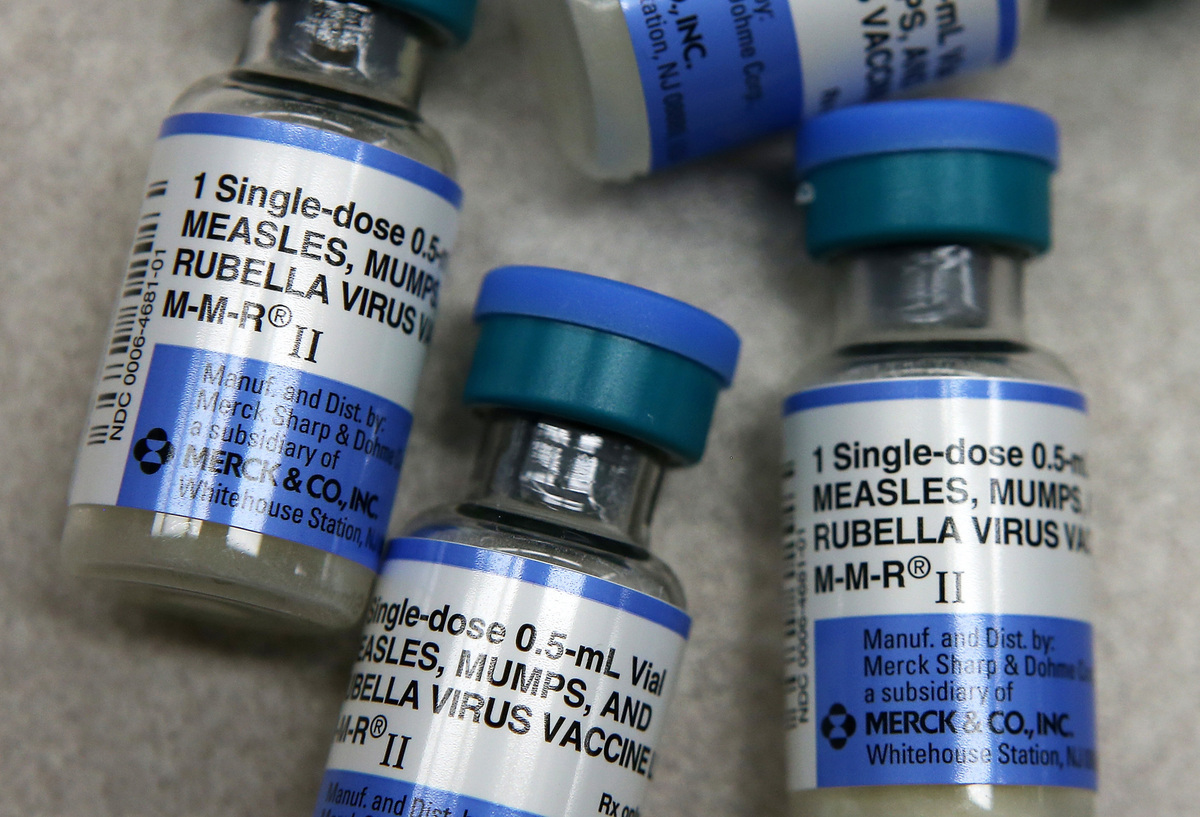
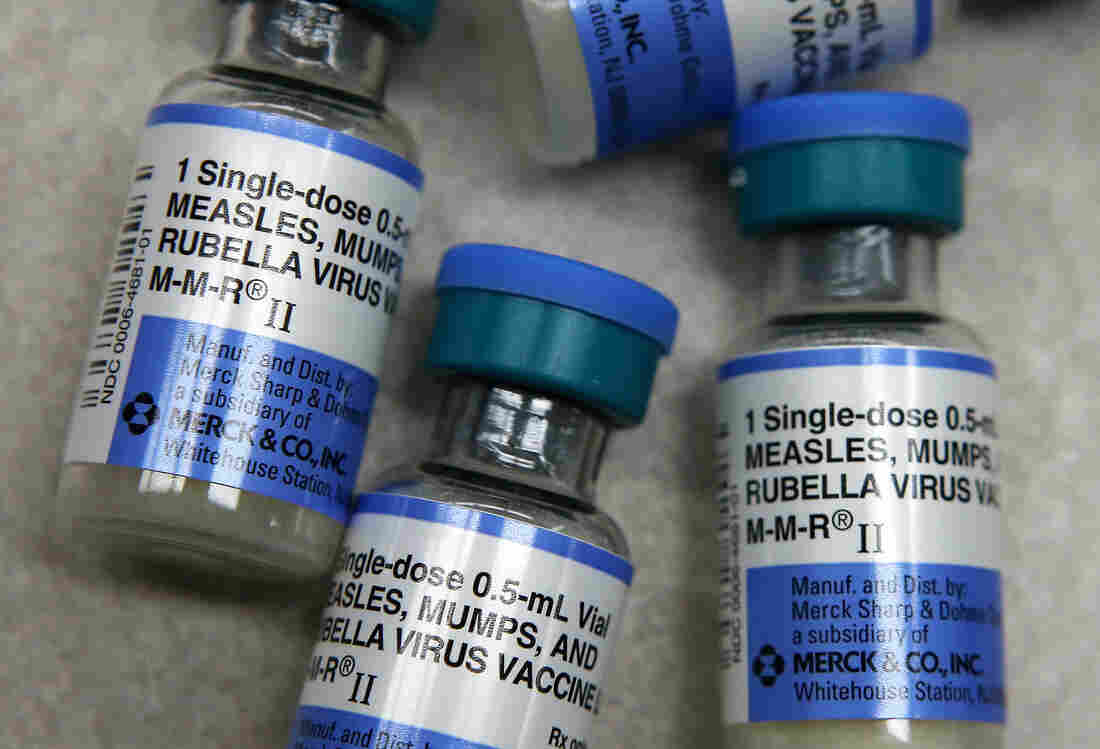
Vials of measles, mumps and rubella vaccine are displayed on a counter at a Walgreens Pharmacy in 2015 in Mill Valley, California.

Photo illustration by Justin Sullivan/Getty Images

hide caption

toggle caption

Photo illustration by Justin Sullivan/Getty Images

All four of Anab Gulaid’s children have received their vaccinations on the recommended schedule. As Somali-American residents of Minneapolis, that puts them in the minority.

Fewer than half of Minnesota children of Somali descent have received the MMR shot that protects against measles, mumps and rubella, according to the Minnesota Department of Public Health, which is now working to combat a growing measles outbreak in the Twin Cities.

As of Wednesday, the case count was up to 34 — all but two unvaccinated, almost all Somali-American, and mostly children ages 5 and under.

Even in the midst of the outbreak, Somali resistance to vaccination remains strong in Minneapolis. Minnesota is home to the largest Somali population in the United States. It’s a relatively recent attitude that emerged alongside escalating fears about links between MMR and autism among the immigrant group.

Understanding the history behind those fears — and the culture that reinforces them, contrary to abundant scientific evidence — is an important step toward overcoming them, research suggests, and not just in Minnesota.

“There is a context; this didn’t just come out of nowhere,” says Gulaid, who studies autism as a public health researcher at the University of Minnesota’s Institute on Community Integration in Minneapolis. Her own children range in age from 8 to 17. “In my public health opinion, you can have a message, but if you come across as not listening, you can also lose that message.”

Roots of Resistance

Vaccine resistance has been an issue since the technology was widely introduced in the early 1800s, says Eve Dubé, a medical anthropologist and public health researcher at Laval University in Quebec City. Since then, people have cited concerns about vaccine safety, sterilization conspiracies, and government control over their bodies and rights.

Today, Dubé estimates, about one third of North American parents are hesitant to get their children vaccinated. Some but not all of those end up delaying or refusing shots.

Reasons for that wariness vary, and concerns often cluster within regional subcultures, and not just among immigrants. In France, for example, worries persist about an unsubstantiated link between the Hepatitis B vaccine and multiple sclerosis. Various religious groups oppose vaccines, as do certain groups who favor organic and natural lifestyles. In developed countries, some experts argue, support for vaccines has also declined alongside a fading memory of the diseases they were created to prevent.

And while multiple studies have shown spikes in vaccine-preventable diseases (including pertussis, polio, mumps and measles) in schools and regions around the world with low vaccination rates, such as affluent neighborhoods in Northern California and an Amish community in Ohio, it is extremely challenging to change people’s opinions about vaccines, Dubé says. Attitudes are often deeply ingrained.

She once interviewed a mother whose baby was in the hospital, extremely sick with pertussis, but the mom still believed that not vaccinating was the right choice. Dubé has also interviewed people who had bad reactions to vaccines but have no regrets.

And even when vaccination campaigns win over people in one place, the same strategy can fail elsewhere.

“It’s like there’s a predisposition to be mistrusting of these types of interventions,” she says. “There’s not much strong evidence in the literature or magic bullet ideas that can solve this issue.”

Somali-Minnesotans and autism concerns

Complexities are widespread among the Somali community in Minneapolis, where concerns about autism emerged around 2008, after Somali parents expressed concerns about disproportionately high numbers of Somali preschoolers in special education classes who were receiving services for autism spectrum disorder, according to the Minnesota Department of Health.

Parents had lots of questions, particularly about what was causing the disorder, says Asli Ashkir, a senior RN consultant with the Minnesota Department of Health in St. Paul.

“We don’t have a word in our language that translates to autism,” Ashkir says. “So when this started, we were like, ‘What is this?’ “

Around the same time, Andrew Wakefield, a British scientist who used fraudulent research to argue that the MMR vaccine causes autism, visited Minneapolis. He also teamed up with vaccine-skeptical groups to raise concerns about the shots, Ashkir says, fueling fear within an immigrant community that was already up against language barriers in a country that was new to them.

Concerns quickly influenced behavior. In 2004, according to the Minnesota Department of Health, 92 percent of Somali-Minnesotan children were vaccinated with MMR. After 2008, Ashkir says, rates of vaccination with the so-called “triple-letter vaccine” dropped by 5 to 7 percent each year. As of 2013, just 45 percent of Somali-American children in Minnesota had been vaccinated.

“We communicate orally,” Ashkir says. “The words fly.”

Alleviating those concerns happens more slowly, she says. In collaboration with the Minnesota Department of Health, she is using a variety of strategies to educate the local Somali community about both vaccines and autism, including advocacy for early intervention therapies for children with autism. She is also working with health clinics to give patients more time with doctors so they can get their questions answered with help from an interpreter.

“When a Somali person sees that a doctor is in a hurry, they don’t want to ask questions anymore,” she says. “In a clinic visit with three people, 15 minutes is not enough.”

Eventually, Ashkir would like to involve influential community members and religious leaders in public health efforts. It’s a strategy that has worked elsewhere, including a region in Western Australia where vaccine coverage was among the lowest in the country, in part because of a locally popular alternative lifestyle that valued home births, breastfeeding, cloth diapers and not vaccinating.

In 2014, a campaign there called “I Immunise” enlisted help from six locals who were featured on posters, billboards, signs and online about how vaccination fit into their alternative lifestyles. Among about 300 people who were surveyed about the campaign, researchers reported in 2015, more than 75 percent said it made them think more positively about vaccination. Still, nearly 70 percent people who had refused vaccines in the past gave negative reviews, illustrating how polarizing the issue remains.

Ultimately, researchers say, compassion may be one of the most powerful tools for spreading public health messages in hesitant communities.

It’s not fair to characterize people who question vaccines as “selfish or dumb,” says Dubé, who has studied MMR resistance among Somali immigrants in Sweden, among other groups. “These are well informed people that want to do what’s best for their families, with questions and concerns that have not been resolved.”

“The idea is to listen to the community’s specific concerns,” she adds. “It’s something that seems obvious but that public health is really bad at doing.”

Empathy can go a long way, Gulaid agrees. Her 8-year-old twin daughters were born around the time that fears of autism emerged among Somali-Americans in Minneapolis. And while she decided to move ahead with the recommended vaccination schedule, many of her friends have delayed their children’s shots. She doesn’t fault them for it.

“The Somali community is resilient and strong, and they’ve gone through a lot of hardships,” she says. “They just want healthy children. I understand their concerns.”

Let’s block ads! (Why?)

As House GOP Struggles With A Health Care Bill, Republican Options Narrow

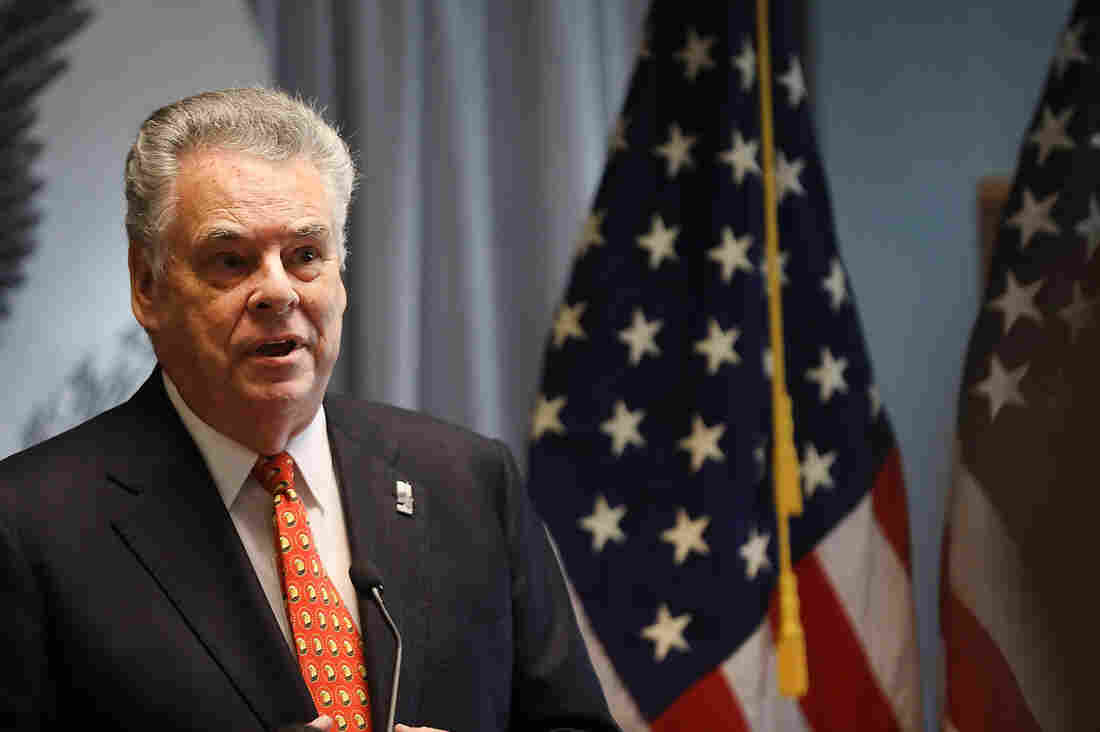
Rep. Peter King, a Republican representing Long Island, has been heavily lobbied by groups on both sides of the GOP health care bill who are intent on getting him to vote their way.

Spencer Platt/Getty Images

hide caption

toggle caption

Spencer Platt/Getty Images

The House may yet pass its bill to repeal and replace parts of the Affordable Care Act. But Republicans’ options to fulfill their seven-year effort to undo the federal health law are getting narrower by the day.

“As of now, they still don’t have the votes,” said Rep. Pete King (R-N.Y.) as he was leaving a meeting of GOP members Tuesday. King has been heavily lobbied by both sides.

The latest snag is over whether people with pre-existing health conditions should have guaranteed access to affordable coverage, as the ACA mandates. An amendment that would let states waive some of those requirements has garnered the votes of reluctant conservatives but left more moderate Republicans concerned.

“I’ve supported the practice of not allowing pre-existing conditions to be discriminated against from the very get-go,” Rep. Fred Upton (R-Mich.), a former chairman of the House committee that handles most health issues, told a Michigan radio station Tuesday in explaining his decision not to support the bill. “This amendment torpedoes that.”

House leaders stressed that they are still working to muster a majority to pass the bill, which was originally scheduled for a full floor vote in March.

Here are some possible ways the effort could play out:

1. The House passes its bill soon.

Approval in the House would send the measure to the Senate, where the fight will be very different. Congress is using a special budget procedure that allows the bill to pass with 51 votes. There are only 52 Republicans in the Senate, so they can’t afford to lose more than two GOP votes, assuming every Democrat opposes the measure. In that case, Vice President Mike Pence would be needed to break a tie.

While this special procedure makes it easier for Republicans to pass their bill, the Senate’s budget “reconciliation” process must follow a series of specific rules that exclude any provision in the bill that doesn’t directly affect the federal budget.

Various parts of the House bill, including the recent change to let states waive some coverage rules — a provision that has ignited concerns about preexisting conditions — have been mentioned as possible violations of those Senate rules and would have to be taken out in order to qualify for the protections of reconciliation.

The Senate may also amend the bill and the House would have to approve those changes, which could again break the delicate coalition of House GOP support.

2. The House walks away from the debate.

In theory, the House could just leave health care for another day — or another year. That would be a huge setback for President Donald Trump, who campaigned on a pledge to “repeal and replace” the health law, as well as for congressional Republicans, who have been promising to do the same since the bill became law in 2010.

But if the law truly implodes for 2018, meaning insurers drop out of so many areas that millions of people have no insurance options, it could trigger an entirely different health debate.

3. The House decides to switch gears to tax reform.

Health care is not the Republicans’ only high priority. So is an overhaul of the federal tax code.

But Republicans want to use the same budget reconciliation procedure to pass their tax plan. That’s a problem.

In order to make sweeping tax changes under expedited budget rules, the House and Senate would have to move on to a fiscal 2018 budget resolution, which would override the 2017 budget blueprint. But as soon as it does, the protections for the health bill would expire.

There is another option. Each budget resolution can allow one spending bill and one tax bill to be protected by reconciliation rules. So Congress could simply start the process over in a 2018 budget resolution that would allow it to move on tax reform and changes to the health law simultaneously.

4. Congress tries to overhaul the health law incrementally.

The House could abandon the budget process and simply pass bills without regard to whether they have an effect on the budget. The first step, though, would likely be for the House to repeal the ACA wholesale — giving Republicans political cover. Then they could take up smaller pieces of legislation, such as a bill that would allow health insurance to be purchased across state lines, a favorite idea of Trump’s. Those bills, however, would require 60 votes in the Senate, which seems unlikely given the opposition from Democrats.

If the GOP efforts to bring wholesale change to the ACA are exhausted, though, it may be possible for some moderate Republicans to work with Democrats to craft legislation to fix some of the issues that both parties see in the law.

5. The Senate gets rid of the legislative filibuster.

The Senate earlier this year abolished the need for 60 votes to fill a Supreme Court seat, and that got Trump’s nominee, Neil Gorsuch, approved. Trump has been calling for Republicans to also get rid of the filibuster for legislation. “Either elect more Republican Senators in 2018 or change the rules now to 51%,” he tweeted on Tuesday.

But the legislative filibuster is the last protection for a Senate minority party, and Republicans know they will someday be in the minority again. Senate Majority Leader Mitch McConnell (R-Ky.) has said repeatedly he has no intention of taking this step, telling reporters Tuesday it “would fundamentally change the way the Senate has worked for a very long time.” And even if he changed his mind, he might have trouble persuading some of his Republican colleagues to go along.

Let’s block ads! (Why?)

A Child's Suffering Drives A Mother To Seek Untested Treatments

Author Susannah Meadows sought alternative treatments for her son when traditional treatments failed.

Alberto Ruggieri/Illustration Works/Getty Images

Your child is diagnosed with a serious autoimmune disease and conventional treatments aren’t proving to be effective. Doctors prescribe powerful medications that don’t seem to work. Not only is your child not responding as hoped, he’s withering from the side effects. What do you do? Journalist Susannah Meadows found herself having to answer this question when her son, Shepherd, was diagnosed at age 3 with juvenile idiopathic arthritis, joint inflammation that can last a lifetime.

When the drugs didn’t work, Meadows was persuaded to look at his condition through a different prism and to consider the possibility that medications might not be the only answer. Meadows began speaking to parents who had sleuthed out alternative theories and tried things like radically changing their kids’ diets and giving them Chinese herbal medicines. Like many parents of sick children, Meadows grew increasingly willing to venture outside of the standard treatments.

Her experiences spurred her to seek other stories of people with illnesses ranging from multiple sclerosis to epilepsy to ADHD who pursued unproven methods of treating their diseases. Their stories, as well as an account of her son’s case, are compiled in The Other Side of Impossible: Ordinary People Who Faced Daunting Medical Challenges and Refused to Give Up, published Tuesday by Random House.

In addition to keeping him on the methotrexate, we took gluten, dairy and sugar out of his diet. We gave him high doses of omega-3s in fish oil and a probiotic. His arthritis started to get better six weeks to the day after we started the new diet, and we weaned him off the methotrexate. He’s now totally healthy, completely without pain, and has been off all arthritis medications for four years. It’s impossible to know what made him better, but there’s some science that suggests it could have been the diet.

Your book is a call to arms to think about diet and what we put in our bodies, whether you have serious illness or not. How did food play in the recovery of the people you wrote about?

Terry Wahls [had] multiple sclerosis and went from using a wheelchair to riding a bike again after she radically changed her diet to eat only nutritionally dense food. You can’t come away without thinking, if that can do that for her, what could it do for me?

The pioneers in your book weren’t the trained scientists or the doctors. They were the patients. What can you say about that?

Certainly doctors know more about disease than I ever will, but that doesn’t mean that their expertise is universal. Our own doctor was a good partner in our weighing things to try. We were able to have good conversations about risk, and what I liked about him was his openness — he made it clear to us that he didn’t have to understand it if it worked, which to me is a great quality in a doctor. The best doctors recognize that they don’t know everything.

Some key themes emerge in the book about the personality traits of those who seek different avenues of treatment. What are they?

One of the things that struck me about everybody in the book was extraordinary self-confidence, almost a stubbornness that they would find an answer. These people exhausted medicine’s answers and kept looking. Another thing was hope. I used to think of hope as being about the known possibility. You could have hope if even 1 out of 100 people got better. But what was amazing about these people was that they had hope even without an example of one. There was nothing to point to. A woman with multiple sclerosis who’s using a wheelchair, it’s unheard of to come back from that. And yet she believed she could find a solution for herself. And to me that’s extraordinary.

It seemed like many of the subjects of your book were financially comfortable, which gave them advantages such as moving across the country to be near a practitioner. How can people access experimental diets, supplements or interventions not covered by insurance?

To be sure, having resources helps, but one of the things that’s so exciting about food being a potential solution for some diseases is that it’s a lot cheaper than medication. Some medications for multiple sclerosis, for example, can be $80,000 a year. We have strong anecdotal evidence and in some cases, clinical evidence that food can improve symptoms for some chronic disease. The other virtue of food is that it’s open to all of us to experiment with. Until we have the data to say this diet will benefit this disease, we are free to see as individuals what might help us.

Finally, how has the experience of dealing with your son’s illness as well as meeting these other like-minded people changed you as a parent and as a person?

The biggest thing that I have learned is that when it seems as if there are no options, you can still look for them and maybe find them. That you have a choice to keep going when others say that you can’t. I don’t think I had that feeling when Shepherd was diagnosed, but I think his unlikely recovery taught me that.

Heather Won Tesoriero is a writer living in New York City. She’s currently working on a narrative nonfiction book. The Class will be published in 2018 by Ballantine Books.

Let’s block ads! (Why?)

Death Rate Among Black Americans Declines, Especially For Elderly People

The death rate for African-Americans dropped 25 percent over 17 years, but most of that was among people ages 65 and older.

Dutchy/Getty Images

hide caption

toggle caption

Dutchy/Getty Images

For decades, black Americans have been dying at a higher rate than white Americans.

That’s still true overall. But now there’s some good news about this long, disturbing trend: The overall death rate for black Americans fell 25 percent between 1999 and 2015, according to a report released Tuesday by the U.S. Centers for Disease Control and Prevention.

The overall death rate dropped for white people as well, but the decrease among black Americans was far greater, narrowing the gap in the death rate between white and black Americans from 33 percent in 1999 to 16 percent in 2015, the report shows.

“This report is definitely good news,” says Joseph Betancourt, who runs the Disparities Solutions Center at the Massachusetts General Hospital in Boston, Ma. “Efforts over the last 15 to 17 years that have focused on addressing and eliminating disparities have definitely provided some significant results.”

Between 1999 and 2015, the death rate among black Americans fell from 1,135.7 to 851.9 per 100,000. For white Americans, the rate fell from 854.6 to 735 per 100,000 in the same time period.

“Prior to this, there was very little progress in the decline in the gap between African-Americans and whites in United States,” says Timothy Cunningham, a CDC epidemiologist who led the report. It was published in the agency’s Morbidity and Mortality Weekly Report.

The report did not examine the reason the gap narrowed, but Cunningham says it’s probably due to black people benefiting more from decreases in the number of deaths from a variety of diseases, including AIDS and tobacco-related illnesses.

“The major drivers of this are decreases in many of the leading causes of death, such as heart disease, cancer and stroke,” Cunningham says.

The drop in the death rate was most striking among those 65 and older. In that group, the death rate for black people fell 27 percent, compared to 17 percent for white people. As a result, by 2010 the death rate for black Americans in this age group fell slightly below the rate for white Americans, according to the report.

“We’re talking about African-Americans who were pretty young during in the 1960s and 1970s,” Cunningham says. “And one thing we have to consider is that there have been significant improvements in socioeconomic status that are associated with civil rights policies.”

Cunningham stresses that the overall death rate among black people remains higher than for white people. As a group, black Americans have an overall life expectancy that’s still four years less than white Americans.

And the picture is especially troubling for younger black people, who are still developing, and dying from, major health problems such as high blood pressure, diabetes, heart disease and stroke at younger ages than their white counterparts.

“Many younger African-Americans in their 20s, 30s and 40s are living and dying with chronic conditions that we more typically see in the older population,” Cunningham says. “There’s still work to do.”

That finding is consistent with previous reports that indicate some black Americans experience a phenomenon known as “weathering.” That’s when a person develops signs of premature aging and an earlier deterioration in health, the report notes.

Weathering can be caused by a variety of factors, including living in poverty, living in violent neighborhoods and encountering racism on a regular basis, Betancourt says.

“Racism and experiencing racism — thinking about your race every day — contributes to this weathering effect,” he says. “You’re in fight-or-flight mode. That has a real significant biological effect that contributes to premature aging.”

Let’s block ads! (Why?)

President Trump Promotes Revised Version Of GOP Health Care Bill

President Trump is promising great things from the revised version of the Republican health care bill. He said it would lower premiums, increase competition and protect people with pre-existing conditions “beautifully.”

Let’s block ads! (Why?)

A Lazarus Patient And The Limits Of A Lifesaving Stroke Procedure

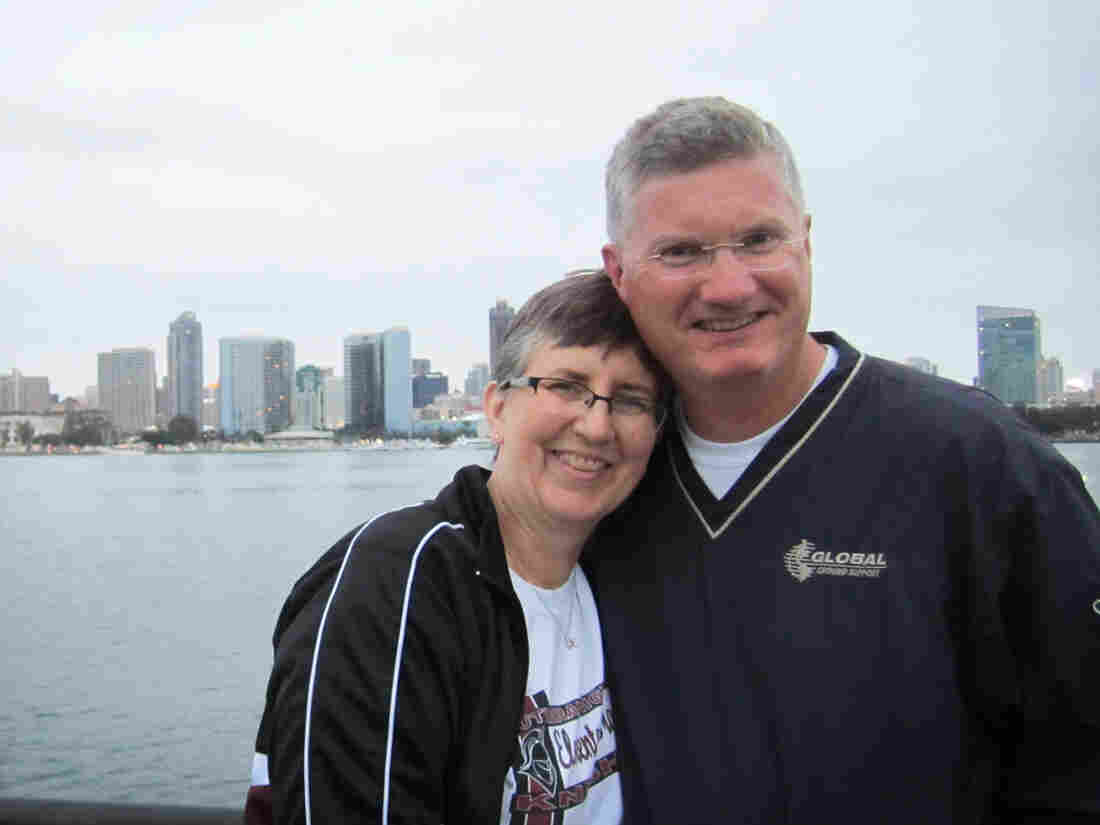
Kurt Hinrichs and his wife Alice in 2015, less than a year after Kurt had a stroke. He recovered after doctors removed the clot that was blocking blood from flowing to part of his brain.

Courtesy of Kurt Hinrichs

hide caption

toggle caption

Courtesy of Kurt Hinrichs

On July 17, 2014 Kurt Hinrichs, of Gladstone, Mo., went to bed early. As often happens, he woke in the middle of the night. When he tried to get out of bed, he crashed to the floor, which woke his wife, Alice.

“At first it was like, ‘What’s going on?’ ” Alice says. “Are you dreaming? Are you sleepwalking?”

Kurt wasn’t responding to anything Alice asked him, so she called 911. “I [was] thinking, ‘this is a nightmare,’ ” Kurt says.

By the time the ambulance arrived, just a few minutes later, Kurt wasn’t speaking and his entire right side was paralyzed. Paramedics recognized that Kurt was having a stroke.

When they wheeled Kurt out of the house, Alice thought he might never come home again. And if he did, he would be bedridden or in a wheelchair. “I really didn’t have a lot of hope that my husband would be normal again, ever,” she says.

Speeding towards St. Luke’s Hospital in Kansas City, Mo., Kurt realized this was no nightmare. He was awake, “but there was something major and massively wrong with me,” Kurt says.

A new treatment

About 800,000 people suffer strokes every year in the U.S. Most of them are ischemic strokes, caused by a clot which blocks a vessel supplying blood to the brain. If blood can’t reach the brain, cells are deprived of oxygen and start to die.

During an ischemic stroke, blocked arteries cause a lack of blood flow to parts of the brain, seen here in a 48-year-old patient. There are fewer blood vessels visible in the center of the brain.


Zephyr/Science Source
hide caption

toggle caption


Zephyr/Science Source

Whatever region of the brain is affected, the part of the body that it controls will cease to work properly, says Dr. Brett Cucchiara, an associate professor of neurology at the Hospital of the University of Pennsylvania.

“You may become paralyzed on one side of the body. You may have the inability to speak or understand, you may lose vision,” says Cucchiara.

And, although doctors have known about strokes for a long time, it wasn’t until relatively recently that they could do anything to help patients who are in the midst of a stroke.

In 1996, the Food and Drug Administration approved the clot-busting drug tPA to treat ischemic strokes. It’s given intravenously and must be administered within three hours of the first symptoms. But tPA works for just a minority of patients. And stroke is the fifth leading cause of death in the country, according to the American Heart Association/American Stroke Association.

The Lazarus patient

At St. Luke’s Hospital, doctors gave Hinrichs tPA, the clot-busting medicine, but the drug wasn’t working. That’s when nurses approached Alice and asked if the doctors could perform a new kind of procedure on her husband. It’s called a mechanical thrombectomy.

Alice had never heard of it, but she agreed.

“They got me on the table. And the last thing that I remembered was a huge bank of screens coming over me, and I’m thinking, ‘What is that for?’ ” Kurt recalls. “And I was out.”

Over the next 20 minutes, doctors inserted a catheter into the femoral artery, in his groin. They wove the catheter up into his aorta, the main artery in the body, then into a carotid artery, which takes blood into the head and neck. Finally they got to the brain vessel where the clot was located.

“Once it gets into the brain, that’s where it becomes a little trickier,” says Cucchiara. “Because the arteries make a lot of sharp turns and curves and become very small and somewhat delicate.”

Those huge banks of screens help doctors see where they are going as they steer the catheter toward the clot.

Inside the catheter is a small piece of equipment that looks like a very thin fishing net on the end of a metal wire. Once they reach the clot, doctors deploy the instrument and catch the blood clot in the net. Once it’s trapped, the net, with clot in tow, is pulled back out of the body.

“[It’s] somewhat analogous to a plumber who comes and uses the plumbing snake to pull a clog out of your drain,” Cucchiara says.

The clot doctors pulled out of Kurt Hinrichs’ brain, pictured here still in the device used to perform a mechanical thrombectomy.

Courtesy of Kurt Hinrichs

hide caption

toggle caption

Courtesy of Kurt Hinrichs

If the intervention is successful, blood flow is immediately restored to the brain.

Within 10 or 15 minutes, the paralysis starts to melt away and, “their ability to speak will completely return,” explains Cucchiara. “So it can be quite a remarkable, almost miraculous recovery that you can see right in front of you.”

After Hinrichs had the procedure, he was able to start wiggling his right arm and leg. His speech returned soon after.

His wife had gone home to tell their three children what was happening. When she returned to the hospital about four hours later and entered her husband’s room, he asked her in a clear voice, “How is your morning?”

“I just kind of stopped and looked behind me and I looked at him,” Alice says. “It was absolutely amazing.”

Hinrichs is what doctors sometimes call a Lazarus patient, after the saint who was restored to life after he died. A massive stroke like the one he suffered can kill patients, or leave them paralyzed and non-communicative. But after the intervention, he walked out of the hospital without any serious, lasting effects.

It’s all in the timing

In 2015, after several studies demonstrated how effective mechanical thrombectomy is for certain stroke patients, the American Heart Association/American Stroke Association issued new guidelines making it part of their recommended standard medical care.

But not all patients who could benefit from the procedure are getting it, says Guillermo Linares, director of neuro-interventional services at Temple University Hospital.

The biggest issue is timing. Both the clot busting medication and a mechanical thrombectomy are a race against time, because they need to be administered within hours of the stroke. That means many pieces need to fall into place very quickly. People need to call 911 the moment they see someone with symptoms of a stroke, the ambulance needs to arrive quickly and paramedics must get the patient to a comprehensive stroke center, Linares says.

Some hospitals specialize in rapid stroke treatment and are certified under the Joint Commission, an independent organization. (This website can help locate stroke centers near you.) But many patients, especially in rural areas, do not have easy access to these facilities.

“The delivery of the therapy in hospitals is relatively easy when you compare it to what is needed in society at large in order for this therapy to be available,” Linares says.

Ultimately, emergency medical teams are left to make difficult decisions about how to handle stroke patients.

“As soon as emergency medical services get to you, should they drive you to the closest possible hospital, or should they drive past a smaller hospital in order to get you to a larger, comprehensive stroke center where more options may be available?” Linares says. “There’s risks and benefits to either path.”

Some cities, such as San Francisco, have put out guidelines directing paramedics to follow one path or another. Others, such as Cleveland, are tweaking existing protocols or are in the process of writing and testing new rules. Linares says health care providers went through a similar process to develop systems for other major emergency issues, such as heart attacks.

Figuring our a clear, organized method to get patients help quickly will be one of the next major advances in stroke care.

This story comes to us from WHYY’s health podcast The Pulse.

Let’s block ads! (Why?)

Yo-Yo Dieting May Pose Serious Risks For Heart Patients

Over a period averaging 4.7 years, study participants who had the greatest fluctuations in weight — about 8.6 pounds — had double the risk of a heart attack, stroke or death, when compared with those who experienced weight fluctuations of less than 2 pounds.

John Holcroft/Ikon ImagesGetty Images

So-called ‘yo-yo dieting’ — where people lose weight and gain it back again – doubles the risk of a heart attack, stroke or death in people who’ve already got significant heart disease.

That’s the conclusion of an international study published recently in the New England Journal of Medicine.

Researchers reviewed weight data gathered over several years from 9,509 people with significant heart disease who had taken part in a trial of a cholesterol-lowering statin drug. The study was sponsored by the drug maker Pfizer.

“Our findings suggest that we need to be concerned about weight fluctuation in this group that is already at high risk due to coronary disease,” says lead researcher Dr. Sripal Bangalore a cardiologist at NYU Langone Medical Center in New York City.

Over a period averaging 4.7 years, people who had the greatest fluctuations in weight — about 8.6 pounds — had double the risk of a heart attack, stroke or death, when compared with those who experienced weight fluctuations of less than 2 pounds.

The odds of developing new-onset diabetes were also increased for people with the greatest variability in weight versus those with the lowest variability.

Dr. Martha Gulati says the findings should encourage physicians to help patients set more realistic goals for weight loss. She’s chief of cardiology at the University of Arizona and spokesperson for the American College of Cardiology. She was not involved with the study.

“People will say to me, ‘I’m going to lose 40 pounds,’ and so if they lose 10 pounds they get frustrated and decide ‘game over I’m done’ — and go back to their old dietary habits,” Gulati says. This mindset typically results in gaining back those lost pounds, she says.

The bottom line health message from the study is this: If you succeed in losing weight, then you should work just as hard to keep it off, says Linda Van Horn, a registered dietitian and professor of preventive medicine at Northwestern University’s Feinberg School of Medicine and a spokesperson for the American Heart Association.

Unfortunately, keeping the pounds off can be more difficult as people age, Van Horn says.

“The older we get the fewer calories we need,” she says. “If a person who is 60 is eating the same number of calories they ate when they were 20, they will be considerably heavier,” she says, even if there has been no change in physical activity.

That’s because metabolism decreases over time, starting in the mid-20s.

So, as people age, it’s even more important to keep an eye on the scale and cut back when weight increases, Van Horn says. “It’s a lot easier to gain than it is to lose.”

Why would this sort of “weight cycling” increase the risk of a heart attack or stroke? Researchers say they don’t know for sure, but they have some ideas.

Gulati suggests it may be that levels of the stress hormone, cortisol increase. That can affect blood pressure, diabetes and cholesterol levels — all of which are all well known risk factors for heart disease and stroke.

The study authors note that their finding is only an association and does not prove there’s a cause-and-effect relationship between weight cycling and heart problems. Also, they say, because it was a retrospective study, it was not possible to determine if people lost weight on purpose or not, or whether they lost weight because of other illnesses.

Let’s block ads! (Why?)