Most Federal Workers' Health Coverage To Continue During Shutdown, Even If Pay Stops

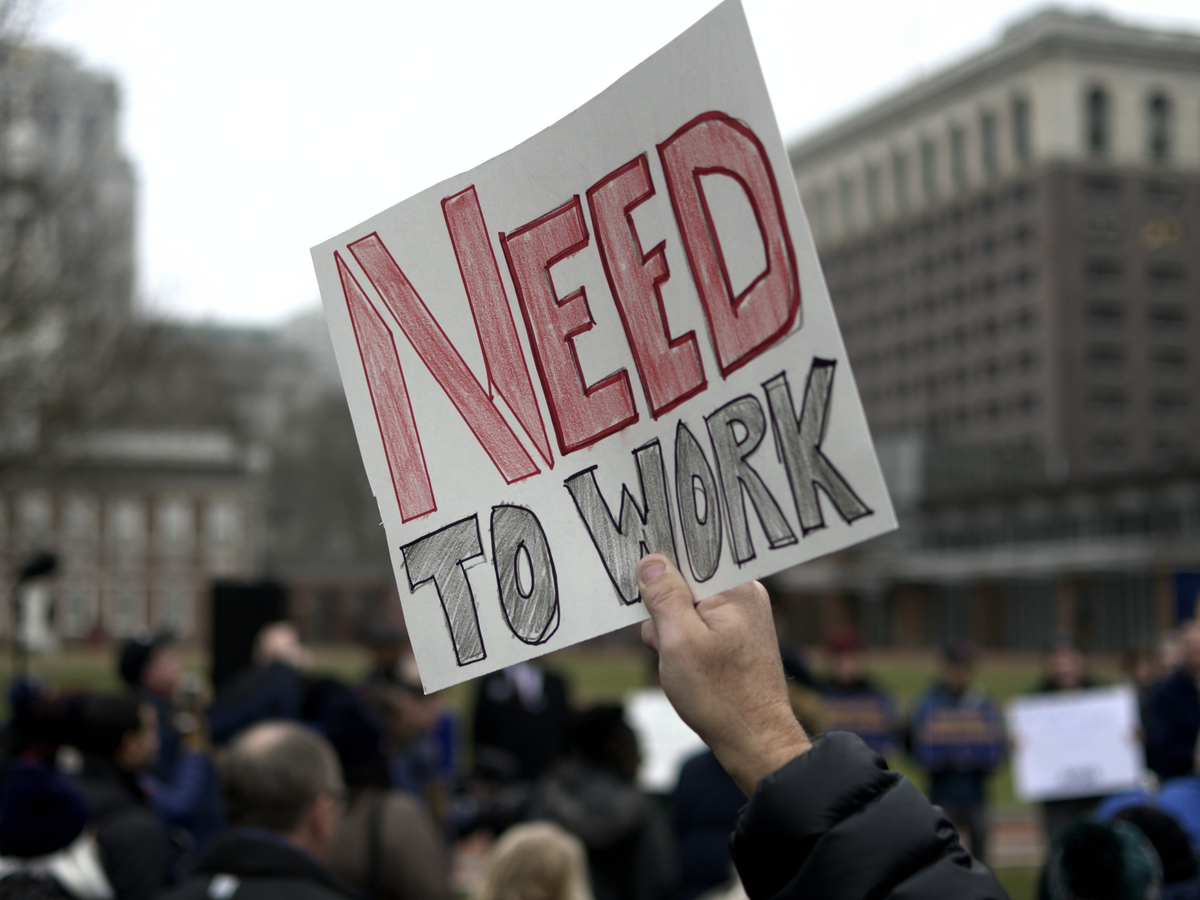
Furloughed federal workers protest the ongoing, partial shutdown of the federal government during a non-partisan rally Tuesday at Independence Mall, in Philadelphia.

Bastiaan Slabbers/NurPhoto/Getty Images


hide caption

toggle caption

Bastiaan Slabbers/NurPhoto/Getty Images

As the prospect of life without a paycheck sets in for 800,000 federal employees and others affected by the ongoing government shutdown, questions are arising about health insurance and other health benefits — dental and vision coverage, and long-term care insurance.

Will shuttered agencies continue to cover benefits for employees and contractors as per usual? We’ve dug up some answers.

Are federal workers and their families still covered by their health plan?

For the most part, federal employees needn’t worry about that, according to the Office of Personnel Management, which has published an FAQ blog post on the topic.

Both the online FAQ and the health insurance industry’s trade association confirm that coverage through the Federal Employees Health Benefits program will continue even if some federal agencies affected by the shutdown aren’t issuing those paychecks and or paying the insurance premiums.

“The shutdown should not impact their coverage,” says Kristine Grow, spokeswoman for America’s Health Insurance Plans, the trade group that represents insurers, including those that offer coverage through the federal program. “It’s business as usual.”

Once the shutdown ends and those payments resume, workers should expect that their usual share of premiums plus the accumulated amount that wasn’t deducted during the missed pay periods will be taken out.

“Procedures may vary somewhat by payroll office, but the maximum additional deduction allowed under regulations is one pay period’s worth of premiums (in addition to the current pay period’s premium),” says an OPM spokeswoman.

Does the same hold for contract workers?

Less clear is what will happen to workers under contract with the affected federal agencies — including some people working as analysts, administration assistants and janitorial staff — who are mostly excluded from the FEHB program.

Many firms that contract with the federal government offer their workers insurance. The federal Office of Personnel Management recommends these contracted employees consult the human resource office at their company for answers regarding the shutdown.

“In 95 percent of cases, even if it’s not required by law, I would think most everyone would continue that coverage,” says Rachel Greszler, a senior policy analyst and research fellow at the Heritage Foundation, who studies economics, budget and labor issues.

Contract workers who buy their own health coverage and are struggling to pay bills without their paychecks may have less recourse, beyond asking insurers for a grace period in paying premiums. But there is no requirement that insurers grant such a request.

“We are concerned about the disruption that this shutdown has caused our members and their families,” notes a corporate statement from CareFirst BlueCross BlueShield — one of the insurers near Washington, D.C. “We are currently exploring how to best address this issue should the shutdown continue.”

Beyond basic health insurance, what other health benefits could be affected?

Depending on how long the shutdown lasts, dental, vision and long-term care insurance programs may start sending bills directly to workers.

Federal workers pay the premiums for these benefits themselves, according to Dan Blair, who served as both acting director and deputy director of the OPM during the early 2000s. He is now a senior counselor and fellow the Bipartisan Policy Center in D.C.

Because workers’ checks are not being processed, the amounts usually sent to these carriers each pay period also aren’t being paid. If the shutdown lasts longer than two or three pay periods, workers will get bills for premiums directly from these firms and should pay them “on a timely basis to ensure continuation of coverage,” the OPM says in its FAQ. Blair agrees.

There also may be a delay in processing claims for flexible spending accounts. These are special accounts in which workers use pretax money deducted from their paychecks to cover certain eligible medical expenses — such as eyeglasses, braces, copayments for doctor visits or medications, including some over-the-counter products.

With no paychecks going out, these deductions are not being made and transferred into FSAs. Once paychecks start up again, the amount deducted will be adjusted so the worker will get the annual total they had requested.

During the shutdown, though, reimbursement claims to these FSA accounts also won’t be processed, the OPM says. Blair suggests holding off on big-ticket purchases during the shutdown, if possible, and to always keeping paperwork on the purchases.

Another consideration: People who switched health plans before a furlough may find their paperwork wasn’t processed in time.

In those cases, the OPM says to stick with the old health plan until the shutdown ends and the new plan is processed. The new plan will pick up any claims incurred.

How will workers know if their change was processed? The OPM’s FAQ says workers who receive an ID card in the mail are enrolled.

“The new policy will be what applies and pays benefits, but there could be some administrative burdens and hassles on the part of workers if the shutdown continues much longer, if the initial bills are not going to the right insurance company,” Greszler says.

Overall, Blair says workers should continue to monitor news media sites — particularly those that focus on federal workers and issues — looking for any updates.

“We’re getting into uncharted territory and there are always things that pop up that no one has planned for,” says Blair, who did not face any shutdowns during his tenure at OPM.

Kaiser Health News is a nonprofit, editorially independent news service of the Kaiser Family Foundation, and not affiliated with Kaiser Permanente.

Let’s block ads! (Why?)

Severe Flu Raises Risk Of Birth Problems For Pregnant Women, Babies

Babies of moms who are in the ICU with severe flu have a greater chance of being born premature and underweight.

Nenov/Getty Images


hide caption

toggle caption

Nenov/Getty Images

Need another reason to get the flu shot if you’re pregnant?

A study out this week shows that pregnant women with the flu who are hospitalized in an intensive care unit are four times more likely to deliver babies prematurely and four and a half times more likely to have a baby of low birth weight.

Researchers compared 490 pregnant women with the flu and 1,451 who did not have the flu. Sixty-four of the women with flu were so ill that they were admitted to a hospital ICU. The results appear in the journal Birth Defects Research.

The study also found that babies of the most seriously ill women were eight times more likely to have low Apgar scores, a measure of a baby’s health in the minutes after birth. The test assesses the baby’s color, heart rate, reflexes, muscle tone and breathing.

It’s not clear exactly how being in the ICU may have affected the newborns, says Dr. Sonja Rasmussen of the University of Florida College of Medicine, one of the study’s authors. She doesn’t think the virus itself causes the problems, but concedes there’s not enough information to draw firm conclusions.

More likely, Rasmussen believes, the problems arise because pregnant women with the flu are at “greater risk of getting pneumonia, of needing to be hospitalized and even being admitted to an intensive care unit,” she says.

“When moms are in the ICU, they often need help breathing, they need a ventilator to breath for them, and it may be that there is some period of time where they aren’t breathing well enough to get adequate oxygen to the baby,” says Rasmussen.

For pregnant women in the study who were diagnosed with flu but who were able to stay home — and even those with flu who were hospitalized but not admitted to the ICU — there was no significant increase in risk for adverse health outcomes for their babies.

Rasmussen says it’s possible that nutrition plays a role in the newborns’ problems. “When you’re having trouble breathing, you have trouble eating and it may be that mom wasn’t getting good nutrition during her time in the ICU.”

Rasmussen says the findings underscore the importance of pregnant women receiving the influenza vaccine and getting prompt treatment with antiviral medications.

Prior to the 2009 pandemic, only about 20 to 30 percent of pregnant women got the flu vaccine. After doctors and health professionals strongly urged vaccination, the rate increased to about 50 percent.

“Since then, flu vaccine rates have stagnated” as memories of the pandemic have faded, says obstetrician-gynecologist Dr. Denise Jamieson of Emory University School of Medicine. The “vast majority” of pregnant women should be vaccinated, she says.

Jamieson says the reasons patients give for not getting the vaccine are numerous. Some say they’ve just never had the flu before and don’t expect to get it while pregnant, which “doesn’t mean they’ll avoid the flu this season,” she says.

Others say they got the vaccine in the past and it made them sick. That’s unlikely, Jamieson says. The flu vaccine does not contain active virus, but rather is a “killed” virus vaccine, and therefore not infectious.

Still other patients worry the vaccine might not be safe for their developing baby. That’s another fallacy, Jamieson says.

“This is a vaccine we have been giving in pregnancy for many decades and there is no indication of any problems,” she says. “It’s a safe vaccine and we know more about this vaccine than any other vaccine in pregnancy.”

And, importantly, it has huge benefits which include “safeguarding pregnant women and their infants against what could be devastating complications of influenza,” she says.

When women get vaccinated, they make antibodies to fight the virus. Those antibodies can cross the placenta and protect the baby from severe illness, which is important, Jamieson says, because infants’ immune systems are still developing and they can’t be vaccinated until they are 6-months-old.

So the vaccine “provides some protection from birth up to six months of age,” she says.

And it’s never too late or too early to get the vaccine, according to Jamieson. Pregnant women should get their flu vaccine as “soon as it’s available,” she says.


Let’s block ads! (Why?)

Democrats' Health Care Ambitions Meet The Reality Of Divided Government

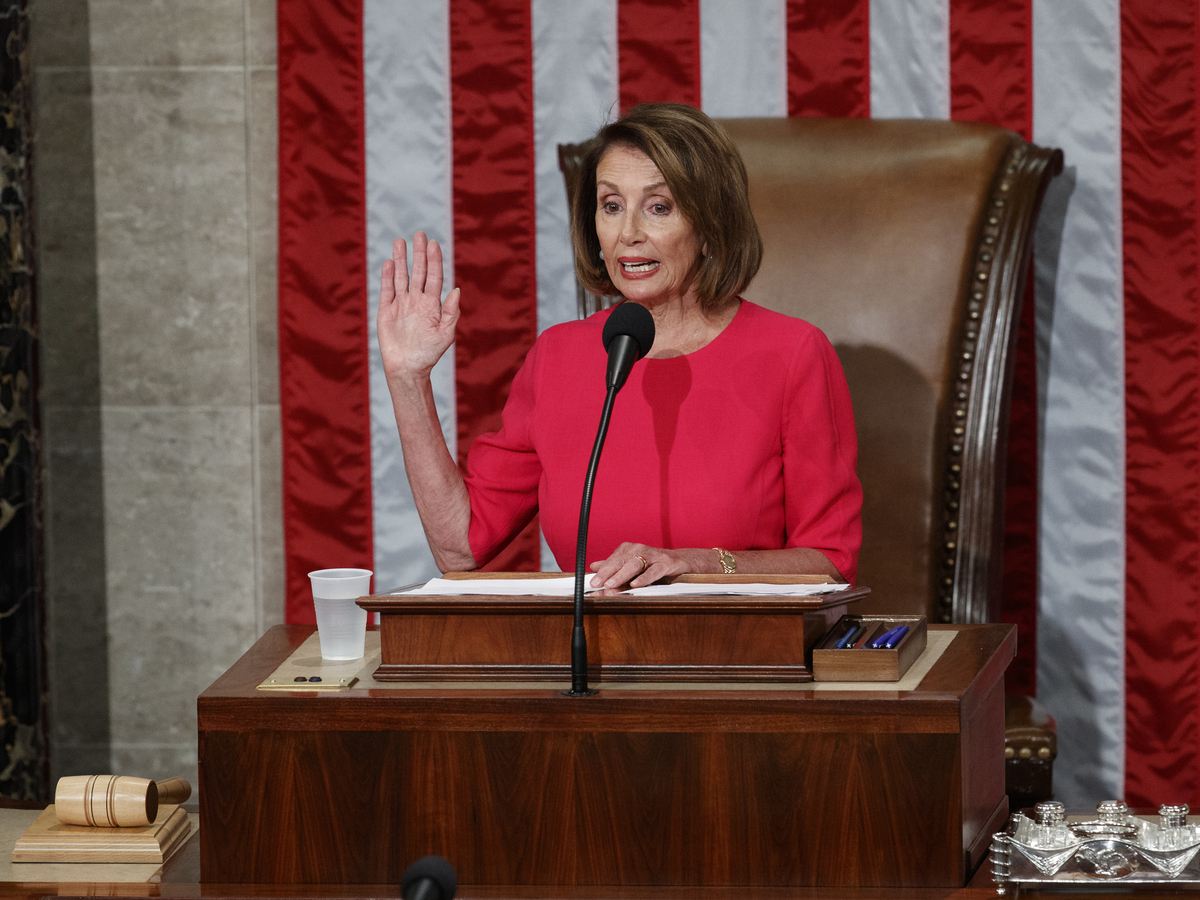
House Speaker Nancy Pelosi said in a speech Thursday to the new Congress that Democrats want “to lower health care costs and prescription drug prices and protect people with pre-existing medical conditions.”

Carolyn Kaster/AP


hide caption

toggle caption

Carolyn Kaster/AP

In her first speech as speaker of the House, Nancy Pelosi made it clear that she knows that health care is key to why voters sent Democrats to Congress.

“In the past two years the American people have spoken,” Pelosi told members of Congress and their families who were gathered Thursday in the House chamber for the opening day of the session.

“Tens of thousands of public events were held, hundreds of thousands of people turned out, millions of calls were made, countless families, even sick little children — our little lobbyists, our little lobbyists — bravely came forward to tell their stories and they made a big difference,” said Pelosi, a California Democrat.

What is the Democrats’ mandate?

“To lower health care costs and prescription drug prices and protect people with pre-existing medical conditions,” she said to applause.

In their campaigns last year, Democrats promised to protect the Affordable Care Act, and the access to coverage that it guarantees for many people. Many Democrats went further, running on the promise of “Medicare-for-all.”

But now that Democrats control the House, their ambitions are meeting up with reality.

With the Senate in Republican hands and President Trump having promised to repeal the ACA, Democrats’ ability to make sweeping health policy changes is limited.

Instead, they’ll likely rely on hearings and turn to the courts to try to influence health policy and shore up the ACA.

Pelosi started on Day 1.

Just hours after her speech, House Democrats voted to intervene in a lawsuit in an effort to protect the Affordable Care Act. The House will join several state attorneys general in appealing the ruling of a federal district judge in Texas that the law is unconstitutional.

And Rep. Frank Pallone, D-N.J., head of the Energy and Commerce Committee, announced a hearing on the impact of the ruling. He said he intends to hold lots of hearings to review the Trump administration’s actions around the ACA — actions he calls “sabotage.”

“At a time when the Trump administration is doing all the sabotage of the ACA, I think the focus really has to be on trying to prevent the sabotage and making sure the ACA is strengthened,” he said in an interview in his Capitol Hill office.

That “sabotage” includes Trump’s decision to stop reimbursing insurance companies for discounts they’re required by law to give to their lowest-income clients, Pallone said.

He also cited a Department of Health and Human Services rule change that allows insurance policies that don’t carry the full benefits required by the ACA to be renewed for up to three years. In the past, those plans were intended to serve as a bridge for someone between jobs and were limited to just a few months

Pallone said these and other changes may violate the law.

“I think if you do some good oversight and find out what the sabotage consists of, then you can say, ‘Well this isn’t allowed under the law,’ ” Pallone said. “And then you either take it to court or try to get legislation passed.”

Oversight is a powerful tool, said Chiquita Brooks-LaSure, a former HHS official who is now a managing director at Manatt Health Strategies, a lobbying firm.

“I don’t think we should underestimate how important that is, when decisions that are being made are questioned and officials have to defend them,” she said.

For the past two years, the focus in Washington has been on repealing or dismantling the Affordable Care Act. That’s about to change, she said.

“That energy can now shift to examining what the administration is doing and putting forth other ideas and other proposals, some of which might generate bipartisan agreement,” she said.

Pallone is hopeful that Republicans may support some measure to shore up the ACA. In the last Congress, Sen. Lamar Alexander, R-Tenn., proposed bills that would restore those payments to insurers, and he backed a plan to create a reinsurance program that could help reduce premiums.

Pallone acknowledged Democrats’ plans are much less ambitious than the “Medicare-for-all” proposals that many of his colleagues touted during their campaigns.

“I just think it’s unlikely that we could ever pass it,” he said. “So I don’t want to prioritize that.”

Let’s block ads! (Why?)

Where U.S. Battles Over Abortion Will Play Out In 2019

Demonstrators in favor of and against abortion rights made their beliefs known during a January 2018 protest in Washington, D.C.

Alex Wong/Getty Images


hide caption

toggle caption

Alex Wong/Getty Images

With Democrats now in control of the U.S. House of Representatives, it might appear that the fight over abortion rights has become a standoff.

After all, abortion-rights supporters within the Democratic caucus will be in a position to block the kind of curbs that Republicans advanced over the past two years when they had control of Congress.

But those on both sides of the debate insist that won’t be the case.

Despite the Republicans’ loss of the House, anti-abortion forces gained one of their most sought-after victories in decades with the confirmation of Justice Brett Kavanaugh to the Supreme Court. Now, with a stronger possibility of a 5-4 majority in favor of more restrictions on abortion, anti-abortion groups are eager to get test cases to the high court.

And that is just the beginning.

“Our agenda is very focused on the executive branch, the coming election and the courts,” says Marjorie Dannenfelser, president of the anti-abortion organization Susan B. Anthony List. She says the new judges nominated to lower federal courts by President Trump and confirmed by the Senate, reflect “a legacy win.”

The Republican majority in the U.S. Senate is expected to continue to fill the lower federal courts with judges who have been vetted by anti-abortion groups.

Meanwhile, abortion-rights supporters believe they, too, can make strides in 2019.

“We expect 25 states to push policies that will expand or protect abortion access,” said Dr. Leana Wen, who took over as president of the Planned Parenthood Federation of America in November. If the landmark 1973 Supreme Court decision Roe v. Wade is eventually overturned, states will decide whether abortion will be legal, and under what circumstances.

Here are four venues where the debate over reproductive health services for women will play out in 2019:

Congress

The Republican-controlled Congress proved unable in 2017 or 2018 to realize one of the anti-abortion movement’s biggest goals: evicting Planned Parenthood from Medicaid, the federal-state health insurance program for people who have low incomes. Abortion opponents don’t want Planned Parenthood to get federal funds because, in many states, it functions as an abortion provider (albeit with non-federal resources).

Though Republicans have a slightly larger majority in the new Senate, that majority will still be well short of the 60 votes needed to block any Democratic filibuster.

Because Democrats generally support Planned Parenthood, the power shift in the House makes the chances for defunding the organization even slimmer, much to the dismay of abortion opponents.

“We’re pretty disappointed that, despite having a Republican Congress for two years, Planned Parenthood wasn’t defunded,” says Kristan Hawkins of the anti-abortion group Students for Life of America. “This was one of President Trump’s promises to the pro-life community, and he should have demanded it,” she says.

Another likely area of dispute will be the future of various anti-abortion restrictions that are routinely part of annual spending bills. These include the so-called Hyde Amendment, which bans most federal abortion funding in Medicaid and other health programs in the Department of Health and Human Services. Also disputed: restrictions on grants to international groups that support abortion rights, and limits on abortion in federal prisons and in the military.

However, now that they have a substantial majority in the House, “Democrats are on stronger grounds to demand and expect clean appropriations bills,” without many of those riders, says Wen of Planned Parenthood. While Senate Republicans are likely to eventually add those restrictions back, “they will have to go through the amendment process,” Wen says. And that could bring added attention to the issues.

With control of House committees, Democrats can also set agendas, hold hearings and call witnesses to talk about issues they want to promote.

“Even if the bills don’t come to fruition, putting these bills in the spotlight, forcing lawmakers to go on the record — that has value,” Wen says.

The Trump administration

While Congress is unlikely to agree on reproductive health legislation in the coming two years, the Trump administration is still pursuing an aggressive anti-abortion agenda — using its power of regulation.

A final rule is expected any day that would cut off a significant part of Planned Parenthood’s federal funding — not from Medicaid but from the Title X Family Planning Program. Planned Parenthood annually provides family planning and other health services that don’t involve abortion to about 40 percent of the program’s 4 million patients.

The administration proposal, unveiled last May, would effectively require Planned Parenthood to physically separate facilities that perform abortions from those that provide federally funded services, and would bar abortion referrals for women who have unintended pregnancies. Planned Parenthood has said it is likely to sue over the new rules when they are finalized. The Supreme Court upheld in 1991 a similar set of restrictions that were never implemented.

Abortion opponents are also pressing to end federal funding for any research that uses tissue from aborted fetuses — a type of research that was authorized by Congress in the early 1990s.

“It’s very important we get to a point of banning [fetal tissue research] and pursuing aggressively ethical alternatives,” says Dannenfelser.

State capitols

Abortion opponents having pushed through more than 400 separate abortion restrictions on the state level since 2010, according to the Guttmacher Institute, an abortion-rights think tank. In 2018 alone, according to Guttmacher, 15 states adopted 27 new limits on abortion and family planning.

“Absolutely some [of these are] an exercise in what they can get to go up to the Supreme Court,” says Destiny Lopez of the abortion-rights group National Latina Institute for Reproductive Health. “Sort of ‘Let’s throw spaghetti against the wall and see what sticks.’ “

But 2018 also marked a turning point. It was the first time in years that the number of state actions supporting abortion rights outnumbered the restrictions. For example, Massachusetts approved a measure to repeal a pre-Roe ban on abortion that would take effect if Roe were overturned. Washington state passed a law to require abortion coverage in insurance plans that offer maternity coverage.

Federal courts

The fate of all these policies will be decided eventually by the courts.

In fact, several state-level restrictions are already in the pipeline to the Supreme Court and could serve as a vehicle to curtail or overturn Roe v. Wade.

Among the state laws closest to triggering such a review is an Indiana law banning abortion for gender selection or genetic flaws, among other things. Also awaiting final legal say is an Alabama law banning the most common second-trimester abortion method — dilation and evacuation.

Kaiser Health News is a nonprofit news service and editorially independent program of the Kaiser Family Foundation. KHN is not affiliated with Kaiser Permanente.

Let’s block ads! (Why?)

Prescription Drug Costs Driven By Manufacturer Price Hikes, Not Innovation

While some new drugs entering the market are driving up prices for consumers, drug companies are also hiking prices on older drugs.

Sigrid Olsson/PhotoAlto/Getty Images


hide caption

toggle caption

Sigrid Olsson/PhotoAlto/Getty Images

The skyrocketing cost of many prescription drugs in the U.S. can be blamed primarily on price increases, not expensive new therapies or improvements in existing medications as drug companies frequently claim, a new study shows.

The report, published Monday in the journal Health Affairs, found that the cost of brand-name oral prescription drugs rose more than 9 percent a year from 2008 and 2016, while the annual cost of injectable drugs rose more than 15 percent.

“The main takeaway of our study should be that increases in prices of brand-name drugs were largely driven by year-over-year price increases of drugs that were already in the market,” says Immaculata Hernandez, an assistant professor of pharmacy at the University of Pittsburgh, and the lead author of the study.

The price of insulin, for example, doubled between 2012 and 2016, according to the Health Care Cost Institute. And the price of Lantus, an insulin made by Sanofi, rose 49 percent in 2014 alone, according to the University of Pittsburgh.

The researchers used the wholesale acquisition cost data for more than 27,000 prescription drugs from First Databank, a company that collects prescription drug sales data. It then compared that data to claims data from the University of Pittsburgh Medical Center’s health plan, which the researchers say is a sample that mirrors the population as a whole.

They then compared new and existing drugs and separated the data into brand-name, generic and specialty categories to come up with cost increase estimates.

Brand-name drugs like Lantus and others account for an average 44 percent of total prescription drug spending, Hernandez says. That share is declining as drugmakers focus more on developing high-priced specialty medications, she says.

Gerard Anderson, professor of health policy and management at Johns Hopkins University, says price increases on existing drugs not only benefit drug makers, but also insurers, who can make more money through rebates on higher priced drugs.

“Research and development is only about 17 percent of total spending in most large drug companies,” he says. “Once a drug has been approved by the FDA, there are minimal additional research and development costs so drug companies cannot justify price increases by claiming research and development costs.”

The study did find that innovation was behind price increases for certain types of drugs. Hernandez and her team found that from 2008 to 2016, the price of so-called specialty drugs rose 21 percent for oral medications and 13 percent for injectable drugs. These increases were driven by new, innovative drugs like Sovaldi and Harvoni, two medications made by Gilead Sciences, Inc. that can cure Hepatitis C. Both drugs were initially priced at over $80,000 for a course of treatment.

Total spending by the government, consumers and insurers on prescription drugs was $333 billion in 2017, according to National Health Expenditure data. That was an increase of just 0.4 percent from the previous year. But that spending rose more than 41 percent over the previous decade, from $236 billion in 2007.

The researchers say their study is based on the list prices of medications and doesn’t take into account the discounts most insurance companies get for prescription drugs because those discounts are kept secret.

The study also showed big cost increases in generic drugs, with oral generics rising 4 percent a year and injectables increasing 7 percent annually. But Hernandez says that spike can be attributed to what she calls a “patent cliff” that hit the drug market during the study period in which several blockbuster drugs, including several anti-depressants and anti-psychotics, lost their patent protection and became generics.

“We’re talking here about highly used drugs,” Hernandez says. “And it takes some time to file generic applications and therefore in the first years after a patent expiration there’s less competition in the market.” So at first, prices are set very close to the brand name price.

So those high-volume, expensive generics drove up prices in the generic market overall. But, as more generic competitors hit the market, the prices begin to fall more, she says.

Since rising costs aren’t paying for improved treatments, policy makers may want to take action, says Dr. William Shrank, chief medical officer of the UPMC Health Plan, who is also an author on the study.

“This observation supports policy efforts designed to control health care spending by capping price inflation to some reasonable level,” he says.

Let’s block ads! (Why?)

Laws Intended To Protect Firefighters Who Get Cancer Often Lack Teeth

Firefighters are often exposed to carcinogens in the course of their work. Laws in many states say if they get cancer, it should be presumed to be linked to their work.

Arisha Singh/EyeEm/Getty Images


hide caption

toggle caption

Arisha Singh/EyeEm/Getty Images

Doctors told Steve Dillman the throat cancer he was diagnosed with in 2008 came from smoking. He knew it didn’t.

“I thought it had to be job-related because I’ve never smoked a day in my life. I don’t chew. I don’t drink excessively … and that’s the three main criterias,” he says.

But Dillman did spend 38 years as an Indianapolis firefighter — and that included running into burning buildings.

Dillman, who’s now retired, recalls one fire on Aug. 1, 1985. That day, his fire station responded to a call at the American Fletcher National Bank warehouse in downtown Indianapolis.

Firefighters noticed something strange and painful after they put out the flames. Everywhere they sweated – under their arms, around their groins – their skin peeled, like it had been sunburned.

Dillman later learned the warehouse was filled with boxes treated with a flame-retardant chemical that sent toxic gases into the air – including formaldehyde, a known carcinogen.

Dillman was diagnosed with prostate cancer 16 years later, and throat cancer seven years after that.

“It’s just an evil thing that we have to deal with,” 74-year-old Dillman says.

Research from National Institute for Occupational Safety and Health (NIOSH) published in 2013 shows that firefighters are diagnosed with and die from cancer at higher rates than the general population. It confirmed earlier research finding elevated risk for the profession for certain cancers.

The correlation between firefighters’ on-the-job exposure to carcinogens and their subsequent illnesses is concerning enough to policy makers that a growing number of states have passed laws — 42 states and Washington, D.C. — designed to help firefighters who develop cancer, according to the non-profit Firefighter Cancer Support Network.

Generally, these laws say that firefighters diagnosed with cancer while on the job or within a certain time after retirement are presumed to have become ill because of their work. And that should make it easier for them to get workers’ compensation, disability benefits or death benefits for their families.

But firefighters say those protections often fall short.

Leaders of organizations that work with firefighters say, despite these laws, firefighters are often denied workers’ compensation claims after a cancer diagnosis. Firefighters have challenged denials in a number of states, including California, Pennsylvania, Texas, and Washington.

“Presumptive laws aren’t the golden ticket that people think they are,” says Jim Brinkley, director of occupational health and safety for the International Association of Fire Fighters, a Washington, D.C.-based lobbying organization. “Our detractors are the ones who will say it’s not connected to the job because they don’t want to pay the benefits.”

It’s difficult to estimate how many firefighters have been denied benefits, says Keith Tyson, vice president for education and research for the Firefighter Cancer Support Network. He’s a prostate cancer survivor who spent 34 years on the job in Florida, where there is no presumptive law.

Tyson doesn’t know of any organization that tracks such workers compensation claims nationwide. And other than his organization’s analysis of state laws, there isn’t a comprehensive listing of the states offering protection.

“That’s the problem. Nobody is consistent on any of this,” Tyson says. “It’s unfortunate that there couldn’t be a one-standard-fits-all [law]. That would make it so much easier.”

Exposed to contaminants

Heart disease was the leading cause of firefighter deaths until the mid-1990s, when “the burden of cancer significantly surpassed heart disease,” according to a paper on firefighters and cancer published last year in the American Journal of Industrial Medicine.

That study surveyed 2,818 Indiana firefighters who died between 1985 and 2013, and found that they had a 20 percent greater likelihood of dying due to cancer than non-firefighters.

This builds on the findings of the 2013 NIOSH study, which included nearly 30,000 firefighters from Chicago, Philadelphia and San Francisco. It found that firefighters are exposed to contaminants that are known or suspected to cause cancer — everything from asbestos in old buildings to the diesel exhaust from fire trucks — and they are more likely to develop respiratory, digestive and urinary system cancers than the general public.

For one rare cancer, mesothelioma, which is linked to asbestos exposure, the rate is two times greater in firefighters than the general U.S. population.

In July 2018, President Trump signed the Firefighter Cancer Registry Act directing the Centers for Disease Control and Prevention to collect national data about the issue. Fire stations can send information on cancer rates among their staff to the National Institute for Occupational Safety and Health.

NIOSH will look for trends in how cancer affects male and female firefighters, firefighters of different races and those in urban and rural areas.

Brinkley hopes this data will make it “very clear to the legislators and those controlling the purse strings that we need better protection for firefighters.”

Presumptive laws in action

State presumptive laws vary in many ways. Some cover only certain cancers. Some states limit how long after retirement a cancer diagnosis is covered. And in some states, a diagnosis alone isn’t enough to trigger protections such as disability benefits.

Of the states with presumptive cancer laws, the Firefighter Cancer Support Network found one that extends coverage up to three months after retirement. Six states, including Indiana, provide coverage up to five years. One state allows seven years, one state allows 600 weeks and three cover up to 20 years.

This reflects a misunderstanding of science, says Dr. Jefferey Burgess, an environmental health researcher at the University of Arizona College of Public Health. He says cancer can develop “anywhere from less than five years to over 30 years” after exposure to carcinogens.

Burgess, who has researched firefighters and cancer for more than 25 years, says the evidence shows firefighters are regularly exposed to carcinogens in the field, and that firefighters are diagnosed with cancer more than the general public.

“From my perspective, I believe we’ve clearly demonstrated that firefighting is associated with cancer,” he says.

Future research is needed, Burgess says, to determine more specific links between those exposures and a firefighter’s cancer diagnosis. At this point, it’s not possible to prove that a single exposure to a carcinogen caused a specific cancer. In fact, there isn’t definitive research that shows even a career of exposure causes a specific cancer diagnosis.

Instead of demanding documentation of possible exposures from fires long ago, Burgess says fire departments should understand that firefighters’ health is affected by their work.

“To tell you whether it was an individual fire or was a lifetime exposure, I don’t know we have that particular information right now,” Burgess says. “Every fire tends to have these chemicals, and therefore it should just, from my mind, be a question of whether you’re a firefighter and you’ve gone to fires rather than documenting that a specific fire was a problem.”

Even with presumptive laws in place, municipalities across the country often fight firefighter’s cancer-related workers’ comp claims. And firefighters are pushing back.

In Texas, the Houston Chronicle found that in the past six years, nine in 10 Texas firefighters with cancer have had their workers compensation claims denied.

In Philadelphia, the city denied a firefighter’s claim in 2012, leading to a lengthy process of appeals. Ultimately, the Pennsylvania Supreme Court ruled in 2018 in favor of the firefighter, arguing that firefighters diagnosed with cancer must only show that their cancer could be caused by exposure to a known carcinogen. It’s up to their employers to prove it was not work-related.

Brinkley says the International Association of Fire Fighters has tried to develop more information about these claims nationwide. It has asked municipalities for data on workplace injury claims related to cancer — and how often they’re denied. The requests have been refused.

The National Council on Compensation Insurance, which gathers and analyzes data related to states’ workers compensation systems, released a report in 2016 on the impact of presumptive laws.

The report noted that firefighters are typically employed by state and local governments, which are often self-insured. Self-insured entities aren’t required to report claims to the council. Still, the NCCI stated in the report that it “expects that the enactment of such presumptions will result in increases in workers compensation costs.”

‘A moment of weakness’

In Indiana, as in some other states with presumptive laws, when a firefighter makes a cancer-related claim, the city wants to know the specific fire that led to the cancer diagnosis.

But firefighters traditionally haven’t kept records of chemical exposures, Brinkley says.

“To ask a member who is fighting a horrific disease that could end their life to then find that one call that they were exposed to one chemical that causes that one cancer is just a way of holding on to the money and not paying the claim,” he says. “That’s not taking care of your firefighter, who risks their life every day.”

Indianapolis Fire Department division chief for health and safety Kevan Crawley advocates for firefighters’ benefits. He says he spends months arguing with city officials and Broadspire, the company that manages workplace injury claims.

Asked about the issue, a Broadspire spokeswoman said the company won’t comment on how it manages its clients’ claims.

Brett Wineinger, risk manager for Indianapolis, oversees the city’s insurance policies. He says that few of the claims have dealt with cancer.

“We’re going to monitor any claim that’s filed with us against [Indiana’s presumptive law],” Wineinger says. “If it’s something that is linked to a fire instance that’s clearly something they’ve gotten through an exposure, obviously we’re going to take that as a workplace injury because that should be the first line of defense.”

Crawley says he understands that the city is trying to protect its budget. And he doesn’t believe that the insurers who deny claims are “bad people.”

But he says they don’t understand what it’s like to sit down with a newly-diagnosed firefighter and explain that the city won’t help with cancer-related costs.

“Guys you’ve looked up to in your career, and you don’t ever expect to see them in a moment of weakness,” Crawley says.

Growing a culture of safety

Firefighters at the Indianapolis Fire Department say they can’t rely on the state’s presumptive law for protection, so they’re focusing on what is in their control: preventing exposure to carcinogens.

Firefighters can wear a protective mask that filters out gases and particles. Otherwise, they breathe in a lot of smoke.

In the old days, firefighters were called “smoke-eaters,” recalls retired firefighter Dillman, and they wore their charred, soot-covered gear as a badge of honor.

At fires, Dillman didn’t wear hisprotective mask.No one did. If you did you were a “sissy,” he says.

“It was just the way the job was,” Dillman recalls.

Procedures during fires have changed since Dillman retired in 2005. It’s now standard practice for firefighters to wearthese masks at a fire.

Dillman now travels to fire departments around Indiana to urge firefighters to use masks and practice other preventive cancer measures.

To make his point, Dillman brings a couple of props.

“The last thing I tell them, ‘You can either wear your [protective] air mask … ‘” he says, holding one up for emphasis.

Then he shows the oxygen mask he needed to breathe when his cancer was at its worst.

And he says, “Or you can wear this mask. And trust me, you don’t want to wear this mask.”

This story was produced by Side Effects Public Media, a news collaborative covering public health.

Let’s block ads! (Why?)

How The Federal Shutdown Is Affecting Health Programs

Despite the partial shutdown, the Food and Drug Administration will continue work that is critical to public health and safety.

Jacquelyn Martin/AP


hide caption

toggle caption

Jacquelyn Martin/AP

There seems to be no end in sight for the current partial government shutdown, the third since the beginning of the Trump administration.

For the vast majority of the federal government’s public health efforts, though, it’s business as usual.

That’s because Congress has already passed five of its major appropriations bills, funding about three-fourths of the federal government, including the Department of Health and Human Services and the Department of Veterans Affairs.

But seven bills are outstanding — including those that fund the Interior, Agriculture and Justice departments — and that puts the squeeze on some important health-related initiatives.

The shutdown itself isn’t about health policies. It’s the result of differences of opinion between the administration and congressional Democrats regarding funding for President Trump’s border wall. But it’s far-reaching, nonetheless. Here’s where things stand:

Funding for “big ticket” health programs is already in place, alleviating much of the shutdown’s immediate potential impact

Since HHS funding is set through September, the flagship government health care programs — think Obamacare, Medicare and Medicaid — are insulated.

That’s also true of public health surveillance, like tracking the flu virus, a responsibility of the Centers for Disease Control and Prevention. The National Institutes of Health, which oversees major biomedical research, is also fine. It’s a stark contrast to last January’s shutdown, which sent home about half of HHS’s staff.

But some other public health operations are vulnerable because of complicated funding streams

Although the Food and Drug Administration falls under the HHS umbrella, it receives significant funding for its food safety operations through the spending bill for the Department of Agriculture, which is entirely caught up in the shutdown.

Last year, that tallied an estimated $2.9 billion to support among other things these FDA oversight efforts, which involve everything from food recalls to routine facility inspections and cosmetics regulation. Not having those dollars now means, according to the FDA contingency plan, that about 40 percent of the agency — thousands of government workers — is furloughed.

The FDA will continue work that’s critical to public health and safety. It will be able to respond to emergencies, like the flu and foodborne illnesses. It will continue recalls of any foods, drugs and medical devices that pose a high risk to human health.

The FDA’s responsibilities for drug approval and oversight are funded by user fees and will continue product reviews where the fees have already been paid. Regulation of tobacco products is also continuing.

Health services for Native Americans are also on hold

Because Congress has yet to approve funding for the Indian Health Service, which is run by HHS but gets its money through the Department of the Interior, IHS feels the full weight of the shutdown. The only services that can continue are those that meet “immediate needs of the patients, medical staff, and medical facilities,” according to the shutdown contingency plan.

That includes IHS-run clinics, which provide direct health care to tribes around the country. These facilities are open, and many staffers are reporting to work because they are deemed “excepted,” said Jennifer Buschik, an agency spokeswoman. But they will not be paid until Congress and the administration reach a deal.

Other IHS programs are taking a more direct hit. For example, the agency has suspended grants that support tribal health programs as well as preventive health clinics run by the Office of Urban Indian Health Programs.

Public health efforts by Homeland Security and the EPA face serious constraints

The Department of Homeland Security’s Office of Health Affairs assesses threats posed by infectious diseases, pandemics and biological and chemical attacks. It is supposed to be scaling back, according to the department’s shutdown contingency plan. This office is just one component of the 204-person Countering Weapons of Mass Destruction Office, which is retaining about 65 employees during the funding gap.

Other DHS health workers are likely to work without pay — for instance, health inspectors at the border, said Peter Boogaard, who was an agency spokesman under the Obama administration. According to DHS’s plan, the vast majority of Border Patrol employees will continue working through the shutdown.

The Environmental Protection Agency has also run out of funding. According to its contingency plan, it’s keeping on more than 700 employees without pay, including those who work on Superfund sites or other activities where the “threat to life or property is imminent.” (More than 13,000 EPA workers have been furloughed.)

That limits the agency’s capacity for activities including inspecting water that people drink and regulating pesticides.

But it’s not just regulation. The public health stakes are visceral — and sometimes, frankly, pretty gross.

Just look at the National Park Service, which has halted restroom maintenance and trash service for lack of funding. On Sunday, Yosemite National Park in California closed its campgrounds. On Wednesday, Joshua Tree National Park, also in California, did the same.

Why? Per a park service press release: “The park is being forced to take this action for health and safety concerns as vault toilets reach capacity.”


Kaiser Health News, a nonprofit news service covering health issues, is an editorially independent program of the Kaiser Family Foundation that is not affiliated with Kaiser Permanente.

Let’s block ads! (Why?)

Emergency Medical Responders Confront Racial Bias

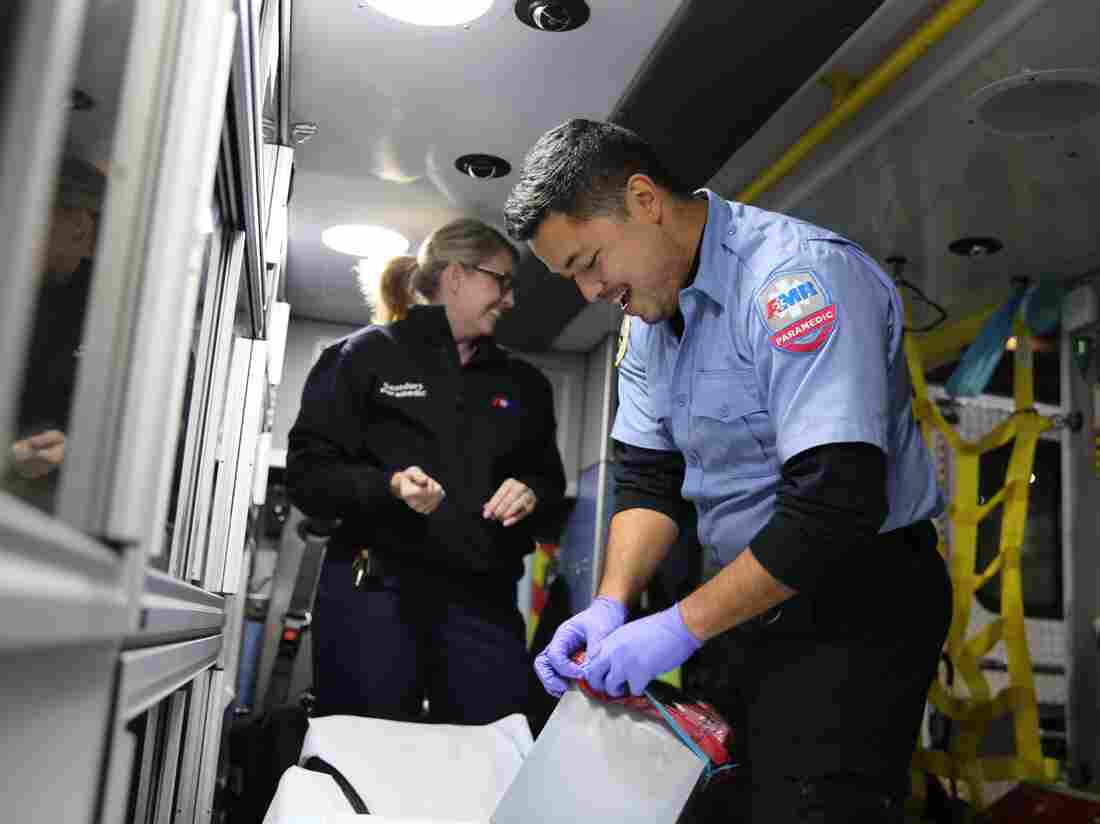
Talitha Saunders and AJ Ikamoto tidy their ambulance at the end of a recent shift. The two work as emergency medical responders in Oregon with American Medical Response in Portland. Leaders there are working to prevent any race-based disparities in treatment.

Kristian Foden-Vencil/Oregon Public Broadcasting


hide caption

toggle caption

Kristian Foden-Vencil/Oregon Public Broadcasting

A recent study out of Oregon suggests emergency medical responders — EMTs and paramedics — may be treating minority patients differently from the way they treat white patients.

Specifically, the scientists found that black patients in their study were 40 percent less likely to get pain medication than their white peers.

Jamie Kennel, head of emergency medical services programs at Oregon Health and Science University and the Oregon Institute of Technology, led the research, which was presented in December at the Institute of Healthcare Improvement Scientific Symposium in Orlando.

The researchers received a grant to produce the internal report for the Oregon Emergency Medical Services department and the Oregon Office of Rural Health.

Outright discrimination by paramedics is rare, the researchers say, and illegal; in this case unconscious bias may be at work.

A few years ago Leslie Gregory, was one of a very few black, female emergency medical technicians working in Lenawee County, Mich. She says the study’s findings ring true to what she’s seen.

She remembers one particular call — the patient was down and in pain. As the EMTs arrived at the scene, Gregory could see the patient was black. And that’s when one of her colleagues groaned.

“I think it was something like: ‘Oh, my God. Here we go again,’ ” Gregory says. She worried — then, as now — that because the patient was black, her colleague assumed he was acting out to get pain medication.

Leslie Gregory, a Portland physician assistant, asks, “How can a person of color not disrespect a system that is constantly studying and talking about these disparities, but does nothing to fix it?” She wants the CDC to declare the effects of racism a national health crisis.

Kristian Foden-Vencil/Oregon Public Broadcasting


hide caption

toggle caption

Kristian Foden-Vencil/Oregon Public Broadcasting

“I am absolutely sure this was unconscious,” adds Gregory, who now lives and works in Portland, Ore. “At the time, I remember, it increased my stress as we rode up on this person. Because I thought, ‘Now am I going to have to fight my colleague for more pain medication, should that arise?’ “

Unconscious bias can be subtle — but, as this new report shows, it may be one of factors behind race-linked health disparities seen across the U.S.

The study looked at 104,000 medical charts of ambulance patients between 2015 and 2017. It found minority patients were less likely to receive morphine and other pain medication compared to white patients — regardless of socioeconomic factors, such as health insurance status.

Gregory is now a physician assistant, and one of her current patients, a black veteran, has cyclic vomiting syndrome. That means he periodically experiences bouts of vomiting he can’t stop without hydromorphone, a potent opioid.

If the man doesn’t get the medicine when he needs it, he could rupture his esophagus and die, Gregory says.

So, he doesn’t call the ambulance anymore. Instead, he goes straight to a hospital emergency department for help. But, Gregory says, the same thing keeps happening — the health professionals in the ER won’t prescribe him the medicine he needs.

“I took his entire medical record and faxed it over to the emergency department director of a local hospital system, in anticipation of this very problem,” Gregory says. “And still, when he presented, it was the same exact thing.”

During a shift-change at American Medical Response headquarters in Portland, I discuss the problem with EMTs and paramedics who are getting their rigs ready for the next shift.

Paramedic Jason Dahlke says he can see how unconscious bias could slip into an emergency responder’s decisions and taint health care. He’s worked hard to be aware of it, in hopes of preventing those disparities in care.

Kristian Foden-Vencil/Oregon Public Broadcasting


hide caption

toggle caption

Kristian Foden-Vencil/Oregon Public Broadcasting

Jennifer Sanders, who has been a paramedic for 30 years, tells me she’s heard about the new study. She’s adamant that her work is not affected by race.

“I’ve never treated anybody different — regardless,” says Sanders.

Most of the emergency responders I speak with, including Jason Dahlke , say race doesn’t affect the treatment they give. But Dahlke also says he and some of his co-workers are thinking deeply about unconscious bias.

“Historically it’s the way this country has been,” Dahlke says. “In the beginning we had slavery and Jim Crow and redlining — and all of that stuff you can get lost in on a large, macro scale. Yeah. It’s there.”

Ask Dahlke where he thinks unconscious bias could slip in, and he talks about a patient he just treated.

The man was black and around 60 years old. Dahlke is white and in his 30s. The patient has diabetes and called 911 from home, complaining of extreme pain in his hands and feet.

When Dahlke arrived at the patient’s house, he followed standard procedure and gave the patient a blood glucose test. The results showed that the man’s blood sugar level was low.

“So it’s my decision to treat this blood sugar first. Make sure that number comes up,” Dahlke says.

He gave the patient glucose — but no pain medicine.

Dahlke says he did not address the man’s pain in this case because by the time he’d stabilized the patient they had arrived at the hospital — where it was the responsibility of the emergency department staff to take over.

“When people are acutely sick or injured, pain medication is important,” Dahlke says. “But it’s not the first thing we’re going to worry about. We’re going to worry about life threats. You’re not necessarily going to die from pain, and we’re going to do what satisfies the need in the moment to get you into the ambulance and to the hospital and to a higher level of care.”

Dahlke say he is not sure whether, if the patient had been white, he’d have administered pain medicine, though he doesn’t think so.

“Is it something that I think about when I come across a patient that does not look like me? I don’t know that it changes my treatment,” he says.

Asked whether treatment disparities might sometimes be a result of white people being more likely to ask for more medications, Dahlke smiles.

“I wonder that — if, in this study, if we’re talking about people of color being denied or not given narcotic medicines as much as white people, then maybe we’re overtreating white people with narcotic medicines.”

Research has also found African Americans more likely to be deeply distrustful of the medical community, and that might play a role in diminished care, too. Such distrust is understandable and goes back generations, says Leslie Gregory.

“How can a person of color not disrespect a system that is constantly studying and talking about these disparities, but does nothing to fix it?” she says.

Gregory wrote an open letter to the Centers for Disease Control and Prevention in 2015, asking it to declare racism a national health crisis.

Past declarations of crisis — such as those focusing attention on problems such as smoking or HIV — have had significant results, Gregory notes.

But the CDC told Gregory, in its emailed response, that while it supports government policies to combat racial discrimination and acknowledges the role of racism in health disparities, “racism and racial discrimination in health is a societal issue as well as a public health one, and one that requires a broad-based societal strategy to effectively dismantle racism and its negative impacts in the U.S.”

Kennel says false stereotypes about race-based differences in physiology that date back to slavery also play a role in health care disparities.

For example, despite a lack of any supporting science, some medical professionals still think the blood of African Americans coagulates faster, Kennel says, citing a recent study of medical students at the University of Virginia.

Another question in the survey asked the students whether they thought African-Americans have fewer pain receptors than whites.

“An uncomfortably large percentage of medical students said ‘yes, that’s true,’ ” says Kennel.

On top of that, he says, EMTs and paramedics often work in time-pressured situations, where they are limited to ambiguous clinical information and scarce resources. “In these situations, providers are much more likely to default to making decisions [based] on stereotypes,” he says.

Disparities in health care are well-documented. Whites tend to get better care and experience better outcomes, whether they’re in a doctor’s office or the ER. But before Kennel’s study, nobody knew whether the same was true in the back of an ambulance.

And they nearly didn’t get to know, because the research required ambulance companies to release highly sensitive data.

“We were prepared to maybe not look that great,” explains Robert McDonald, the operations manager at American Medical Response in Portland. AMR is one of the nation’s largest ambulance organizations and it shared its data from more than 100,000 charts with Kennel.

Some people chalk up the disparities he found to differences in demography and health insurance status, but Kennel says he controlled for those variables.

So, now that AMR knows about disparities in its care, what can the company do?

“My feeling is we’re probably going to put some education and training out to our folks in the field,” McDonald says.

In addition, he says, AMR is going to hire more people of color.

“We want to see more ethnicities represented in EMS — which has historically been a white, male-dominated workforce,” McDonald says.

AMR’s policies must change, too, he adds. The company has purchased software that will enable patients to read medical permission forms in any of 17 different languages. And the firm is planning an outreach effort to communities of color to explain the role of EMS workers.

This story is part of NPR’s reporting partnership with Oregon Public Broadcasting and Kaiser Health News, a nonprofit news service of the Kaiser Family Foundation. KHN is not affiliated with Kaiser Permanente.

Let’s block ads! (Why?)

Activists Brace For 2019 Abortion-Rights Battles In The States

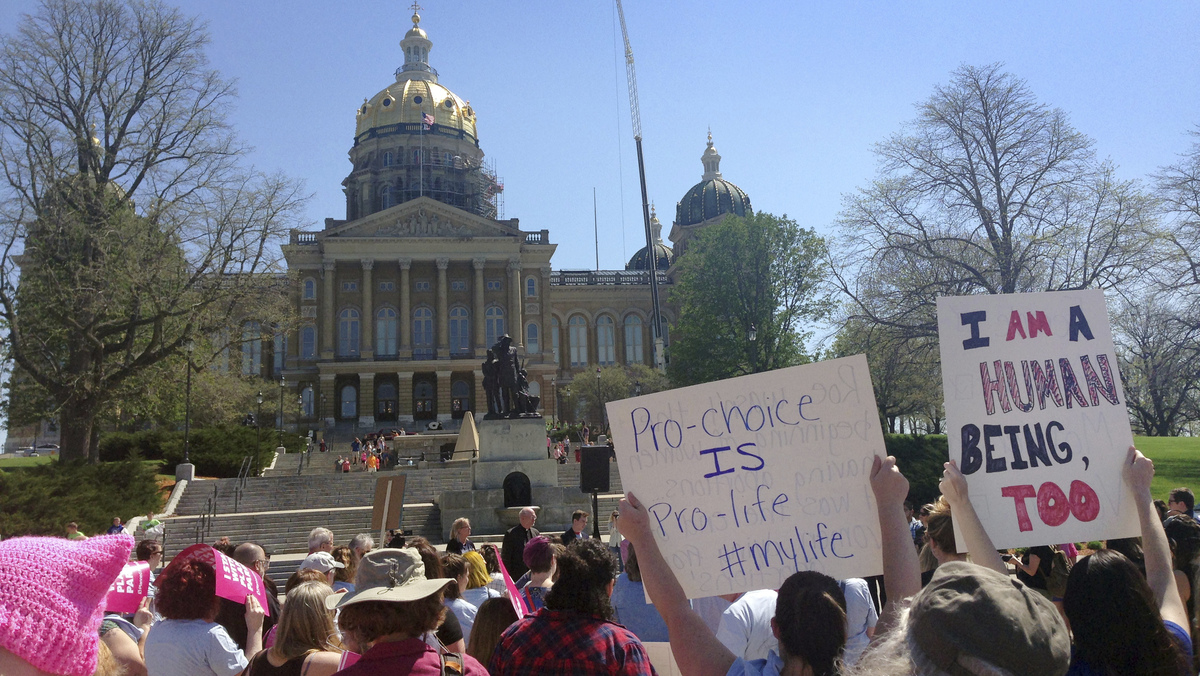
Abortion-rights advocates rally outside the Iowa capitol building in May. A law there banning abortion after a fetal heartbeat is detected is one of several state laws on its way through the courts.

Barbara Rodriguez/AP


hide caption

toggle caption

Barbara Rodriguez/AP

With a newly configured U.S. Supreme Court, the stakes are high for abortion-rights battles at the state level. Abortion-rights advocates and opponents are preparing for a busy year — from a tug-of-war over Roe v. Wade to smaller efforts that could expand or restrict access to abortion.

Supreme Court Justice Brett Kavanaugh is known for his conservative record on issues including reproductive rights. And with his confirmation, many abortion-rights opponents see new opportunities to restrict the procedure at the state level.

“The pro-life movement has been talking about more pro-life-friendly courts for years, and we see Kavanaugh really tilting that balance,” says Jamieson Gordon with Ohio Right to Life.

Activists in Ohio just pushed through a law banning a common second-trimester abortion procedure called dilation and extraction. Gordon says her group is feeling optimistic and is working to pass more restrictions in the new year.

“It really has been encouraging for us knowing that if our bill … got picked up to go to the court, that we would have a more favorable court,” she says. “So I do think that we’ve seen the tide turn.”

A “watershed moment”

Abortion-rights advocates also are preparing for a wave of bills to be introduced in statehouses across the country, says Elisabeth Smith, chief counsel for state policy and advocacy at the Center for Reproductive Rights.

“We think this will be a watershed moment in terms of the number [of bills] that are filed, and then potentially the number that will actually be enacted in various states,” Smith says.

She says advocates are working to protect abortion rights, repeal existing restrictions and fight new efforts to limit access to the procedure.

“I think the specter of the Supreme Court will be behind both the proactive bills — in terms of shoring up the right and access [to abortion] at the state level — and on the other side, I think states that are hostile to reproductive rights are going to be jockeying to be the state that sends a law to the Supreme Court,” Smith says.

Tug-of-war over Roe v. Wade

Many abortion-rights opponents say they’re hoping to overturn Roe v. Wade, the 1973 decision that legalized abortion nationwide.

“States want their bill to be the one to go to the Supreme Court. They want to be the one,” says Sue Liebel, state director for the anti-abortion-rights group Susan B. Anthony List.

Possible test cases for Roe already are working their way through the courts — including an Iowa law banning abortion after a fetal heartbeat is detected, and one in Mississippi prohibiting the procedure after 15 weeks.

Liebel says anti-abortion-rights activists want to pass similar bills in as many states as possible.

“So I think they’re hopeful; they’re energized and rarin’ to go,” Liebel says.

If Roe were weakened or overturned, more power for regulating abortion would fall to the states. Several anti-abortion-rights groups are pushing to increase the number of states banning abortion after 20 weeks or earlier.

Meanwhile, lawmakers supportive of abortion rights in several states are sponsoring bills to guarantee the right to abortion in state law, in places including Massachusetts, Virginia and even Texas, according to Smith, with the Center for Reproductive Rights.

“It’s unlikely that [Texas] bill will pass,” Smith says. “But I think more and more state advocates are bringing up this bill — either as a messaging vehicle, or to actually get it enacted.”

Big steps, and small ones

NARAL Pro-Choice America is promoting those bills. But Deputy Policy Director Leslie McGorman says it is also working on incremental efforts to improve abortion access, including legislation allowing a broader range of medical providers — such as nurse practitioners and physician assistants — to provide abortions in more states.

“We know that as long as abortion is sort of a one-off procedure, or care that’s delivered in a standalone clinic and people sort of don’t know what it is, that it’s gonna be this part of health care that’s sort of viewed that way, that’s viewed as sort of marginal,” McGorman says.

Abortion-rights opponents also are continuing to pursue their own incremental strategy.

Americans United for Life has close to 60 model bills aimed at restricting abortion. Among them is the Abortion Reporting Act, which requires medical providers to submit detailed reports to health officials about abortion-related complications.

“This is really designed to make sure that women are informed about those abortion providers that are especially dangerous,” says the group’s president, Catherine Glenn Foster.

Abortion-rights advocates say the requirements are intrusive and vaguely defined. Planned Parenthood sued last summer to block a similar law in Idaho.

“There’s also a big push to defund abortion facilities, to stop them from getting Title X funding,” says Ingrid Duran, of the National Right to Life Committee.

It’s already illegal for federal funds to pay for abortions in most cases, but anti-abortion activists want to ban organizations such as Planned Parenthood, which offer abortions, from receiving any public money for reproductive health services. The Trump administration has proposed blocking such groups from getting funds through Title X, the federal family planning program for low-income people; Duran says similar efforts are underway in many states.

Let’s block ads! (Why?)