Not My Job: We Quiz NBA Coach Mike D'Antoni On Mike, Dan And Tony

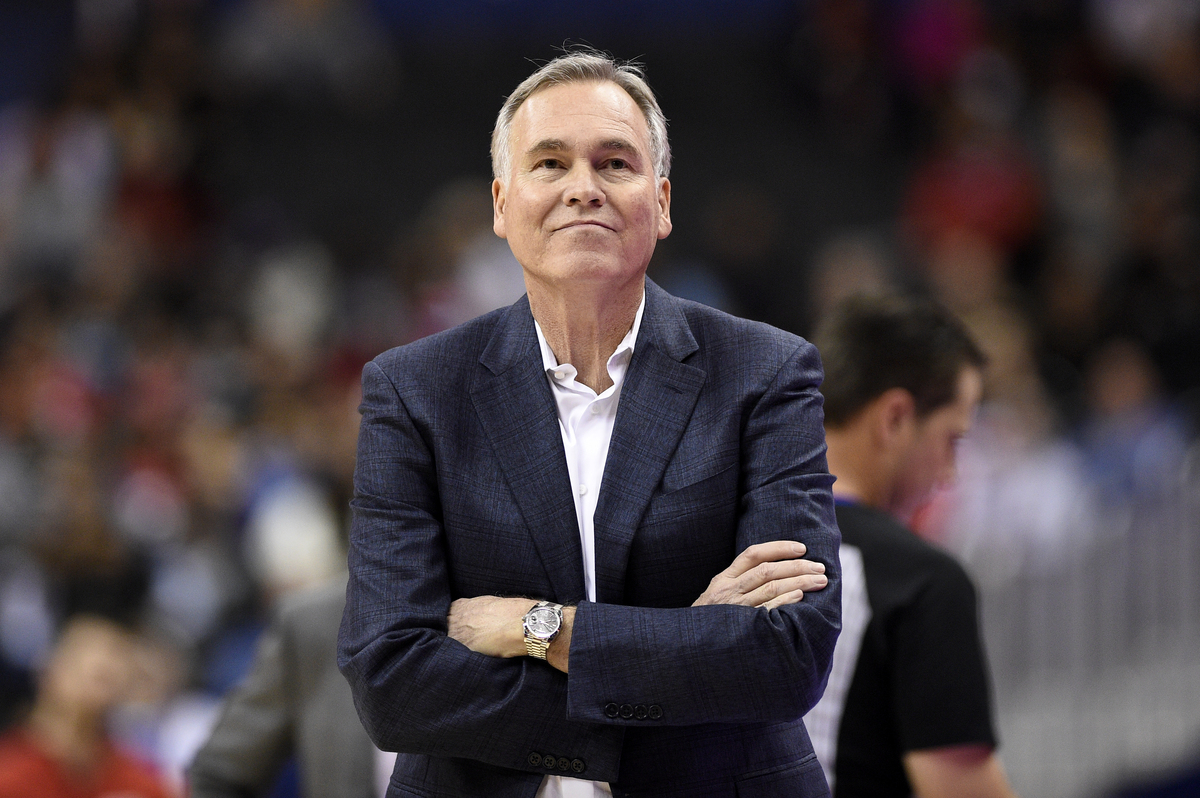
Houston Rockets head coach Mike D'Antoni stands on the court during the first half of an NBA game against the Washington Wizards, on Nov. 26, 2018, in Washington, D.C.

Nick Wass/AP

We’ve invited Mike D’Antoni, head coach of the Houston Rockets, to answer three questions — one question about Michael Jordan, one question about Dan Quayle, and one question about Tony the Tiger.

Click the audio link above to see how he does.


PETER SAGAL, HOST:

And now the game where successful people find out what it’s like to not know why you’re even playing. It’s called Not My Job. Mike D’Antoni is a former NBA player, a star in the Italian basketball league and, for 16 years, a head coach in the NBA with the Phoenix Suns, LA Lakers, New York Knicks and now the Houston Rockets. He was the 2017 NBA coach of the year. And he joins us now.

Coach Mike, welcome to WAIT WAIT… DON’T TELL ME.

MIKE D’ANTONI: Thanks, guys.

(APPLAUSE)

SAGAL: It’s a pleasure to have you. So, first of all, how’s the Rockets doing? Are you satisfied with how the season is going?

D’ANTONI: We’re doing better now. We had a rough start – a lot of injuries and some problems. But, you know, the ship is going pretty good right now.

SAGAL: I’m glad to hear it. Now, are you a guy who feels the progress of your team emotionally? Do you get upset when it’s going poorly? Do you feel elated when it’s going well?

D’ANTONI: Yeah. I mean, you know, I think we’re all in this business especially because we want to compete. And you get emotionally invested in the players and the fans. And…

SAGAL: Yeah.

D’ANTONI: You know, I’ve been in the fetal position a lot of times on the couch – that’s for sure.

SAGAL: Really?

(LAUGHTER)

SAGAL: Not on the bench, though. That would be funny…

PAULA POUNDSTONE: Yeah.

SAGAL: …If they panned over to you – you were lying there.

D’ANTONI: …Would like me to do that.

SAGAL: What’s it like getting to watch James Harden play every night?

D’ANTONI: Special.

SAGAL: Yeah.

D’ANTONI: He’s the real deal.

SAGAL: Yeah.

D’ANTONI: And it’s – you know, he’s better than what most people think. He’s is the best I’ve seen.

SAGAL: For people who don’t know, James Harden is known for his extraordinary offensive play and also for his amazing beard.

D’ANTONI: Yeah.

SAGAL: Have you ever had to talk to him about the beard? Like, dude, nobody can see your uniform number. You need to…

D’ANTONI: No, most of the time it’s, like, you know, you’ve got egg in there. Or you’ve got…

(LAUGHTER)

SAGAL: Is part of your duties as head coach, like…

D’ANTONI: Yeah.

SAGAL: …Picking the nits out of James Harden’s beard?

(LAUGHTER)

D’ANTONI: Sometimes, that’s my only duty.

(LAUGHTER)

SAGAL: He seems pretty serious. Are you allowed to tease him about his beard?

D’ANTONI: Very carefully.

SAGAL: Yeah, I know.

(LAUGHTER)

SAGAL: So when did you figure out that you could be a coach in this league?

D’ANTONI: I’m – when I’m 39 years old, and I’ve retired from playing, and I’m looking around and going, now what? And so it’s, like, you know, I had really good teams in Europe, and I got lucky. And, like anybody else, it’s just being in the right spot at the right time. And I went back and started coaching the NBA.

POUNDSTONE: Do you have, like, psychological techniques that you use?

D’ANTONI: (Laughter) No. No.

(LAUGHTER)

D’ANTONI: No. That would mean that I would have to be and the players would have to be smart, so we’re not. No, we’re just…

(LAUGHTER)

LUKE BURBANK: Coach, you’re known for a really up-tempo style. Do players like playing for you because of that? Or is it exhausting for them?

D’ANTONI: No. No. It’s – you know, I think they like it. There’s been some that haven’t liked it. And, obviously, I’ve been to different cities. I’ve been fired a few times, so there’s a lot of players don’t like that.

SAGAL: No. No. They don’t like being fired or they don’t like when you get fired?

D’ANTONI: No, they get me fired.

SAGAL: Oh, I see.

(LAUGHTER)

D’ANTONI: I always think they didn’t like to play the way I wanted to play.

SAGAL: Well, that to me is interesting because you’re coaching incredibly well-paid, incredibly talented athletes who have been at the pinnacle of their sport for probably their entire careers. Like, everybody in the NBA was a superstar the moment they got there.

D’ANTONI: Yeah.

SAGAL: How do you handle people like that who are the stars of the league?

D’ANTONI: Well, there’s a lot of groveling and begging and pleading.

SAGAL: Right.

POUNDSTONE: Well, I think, then, that you need to have some psychological techniques.

D’ANTONI: There you go.

(LAUGHTER)

SAGAL: So seriously, how do you – if James Harden, say, or Chris Paul – both superstars – if you want them to do something they’re not doing, or you want them to do something better or different, how do you do that?

D’ANTONI: We work together, and I give my experience in there. And we’re very analytic-based now, so a lot of it is data driven where they can see that it makes sense.

SAGAL: Right.

POUNDSTONE: Give me an example of a time where a problem is solved by data.

D’ANTONI: Well, you have a player that shoots primarily two-point shots instead of three-point shots. So I’m not going to get too technical, but I can show them some of the data that shooting that shot there is not as effective as shooting the three-point, so you have to…

POUNDSTONE: Wait a minute – but they don’t know that three points is…

D’ANTONI: Well…

POUNDSTONE: …Higher than two points?

(LAUGHTER)

D’ANTONI: Hey, it’s taken about 20 years for the NBA to figure that out.

(LAUGHTER)

POUNDSTONE: Yeah.

SAGAL: Wait a minute…

SAGAL: Yeah.

BURBANK: Coach, I’m on a YMCA men’s team in…

(LAUGHTER)

BURBANK: …Washington.

D’ANTONI: Good.

POUNDSTONE: Yeah. Well, you want to go for the three points.

D’ANTONI: That’s a good start.

BURBANK: Yeah. We’re called the Sledge Hogs. You’ve probably heard of us.

(LAUGHTER)

D’ANTONI: Yeah.

BURBANK: I didn’t name the team.

D’ANTONI: We have scouts there most of the nights.

BURBANK: Yeah.

SAGAL: Yeah.

(LAUGHTER)

BURBANK: We lost a game this week by 49 points.

(LAUGHTER)

BURBANK: Do you have any advice for us as how to be a better team?

D’ANTONI: (Laughter) Well, start scoring more points.

SAGAL: Yeah, I know.

(LAUGHTER)

BURBANK: Is three points more than two points?

(LAUGHTER)

D’ANTONI: Yes, three.

BURBANK: OK.

D’ANTONI: Shoot threes.

SAGAL: The biggest cliche of every sports movie any of us have ever seen is the halftime motivational speech, right?

D’ANTONI: (Laughter) Yeah, that’s great.

SAGAL: Yeah.

(LAUGHTER)

POUNDSTONE: Do you give that?

D’ANTONI: No (laughter).

SAGAL: Really?

D’ANTONI: Most of the time I’m – like I said, I’m in that fetal position. They’re giving me the speech.

SAGAL: Really?

(LAUGHTER)

D’ANTONI: Yeah.

SAGAL: Well, coach, it is great to have you with us. We have invited you here today to play our game. And we call it…

CHIOKE I’ANSON: Mike D’Antoni, meet Mike, Dan and Tony.

SAGAL: Since your name is built out of three first names, much like a transformer – Mike, Dan, and Tony…

D’ANTONI: Right.

SAGAL: …We thought we’d ask you one question each about a Mike, a Dan and a Tony.

(LAUGHTER)

D’ANTONI: All right.

SAGAL: If you get two right – could be a Dan and Mike, could be a Tony and Dan, could be a Tony and Mike – if you do any of those, you’ll win our prize for one of our listeners – the voice of their choice from our show. Chioke, who is coach Mike D’Antoni playing for?

I’ANSON: Jim Hogan of Geneva, N.Y.

SAGAL: All right. You ready to play?

D’ANTONI: Oh, yeah.

SAGAL: Oh, yeah. Here we go. First up, Michael Jordan – you may have heard of him – he remains the world’s most famous Mike. He was so famous during his heyday that you could find which of these? A, a shrine to him in the palace of North Korean dictator Kim Jong Il; B, a megachurch in Lebanon thta believed he was the Messiah; or C, the be like Mike diet book, which recommended you consume only Gatorade and expensive cigars.

(LAUGHTER)

D’ANTONI: I’m probably going with the shrine in North Korea just because Dennis Rodman solved our problems there, right?

SAGAL: You’re right. You’re exactly right.

(SOUNDBITE OF BELL)

SAGAL: It turns out that Kim Jong Un got his love of the great Bulls teams of yesteryear…

D’ANTONI: Yeah.

SAGAL: …From his father, Kim Jong Il. So Kim Jong Il, the dictator, had a shrine to Michael Jordan. All right. Next up is Dan. One of the most famous Dans in American history was Vice President Dan Quayle.

(LAUGHTER)

SAGAL: He’s remembered now mostly for misspelling the word potato and for not being Jack Kennedy. But he also said many memorable things during his time in the public light, including which of these? A, quote, “I have made good judgments in the past. I have made good judgments in the future…”

(LAUGHTER)

SAGAL: …B, quote, “I believe we are on an irreversible trend towards more freedom and democracy. But that could change…”

(LAUGHTER)

SAGAL: …Or C, quote, “The Holocaust was an obscene period in our nation’s history. No, not our nation’s, but in World War II. I mean, we all lived in this century. I didn’t live in this century – but in this century’s history,” unquote.

(LAUGHTER)

D’ANTONI: Do you have D, all of the above?

(LAUGHTER)

SAGAL: That’s actually right. I’m going to give it to you.

(SOUNDBITE OF BELL)

SAGAL: He said all of those things.

(APPLAUSE)

SAGAL: The last up is Tony. So one of the most famous Tonys, of course, is Tony the Tiger.

(LAUGHTER)

SAGAL: Tony the Tiger, the cereal spokes-animal, has fans around the world. They can get a little out of hand, though, such as when which of these actually happened? A, a group of people started raising money to save tigers from, they said, being harvested to make Frosted Flakes…

(LAUGHTER)

SAGAL: …B, Tony the Tiger went on Twitter to ask furries to please stop sending him anthropomorphic erotica…

(LAUGHTER)

SAGAL: …Or C, somebody invented a language called Tony-talk, which is English, but you growl every R?

(LAUGHTER)

D’ANTONI: I’m going with B.

(LAUGHTER)

SAGAL: You’re exactly right…

(SOUNDBITE OF BELL)

SAGAL: …Coach.

(APPLAUSE)

SAGAL: This happened a couple years ago. Lots of people were tweeting inappropriate things to Tony the Tiger, so he tweeted, quote, “I’m all for showing your stripes, feathers, et cetera but let’s keep things great and family friendly if you could. Cubs could be watching.” Chioke,

how did coach Mike D’Antoni do on our quiz?

I’ANSON: Nothing but net – Mike got three out of three.

SAGAL: Congratulations, coach.

(APPLAUSE)

SAGAL: Mike D’Antoni, coach of the Houston Rockets. Coach Mike, thank you so much for joining us on WAIT WAIT… DON’T TELL ME.

(SOUNDBITE OF SONG, “ROCKET TO NOWHERE”)

WEBB WILDER: (Singing) I’m on a rocket to nowhere. Rocket to nowhere.

SAGAL: In just a minute, we get intimate with a bicycle in our Listener Limerick Challenge game. Call 1-888-WAIT-WAIT to join us on the air. We will be back in a minute with more of WAIT WAIT… DON’T TELL ME from NPR.

Copyright © 2019 NPR. All rights reserved. Visit our website terms of use and permissions pages at www.npr.org for further information.

NPR transcripts are created on a rush deadline by Verb8tm, Inc., an NPR contractor, and produced using a proprietary transcription process developed with NPR. This text may not be in its final form and may be updated or revised in the future. Accuracy and availability may vary. The authoritative record of NPR’s programming is the audio record.

Let’s block ads! (Why?)

A Critic Of Turkey, The Knicks' Enes Kanter Speaks Out About His Fears For His Life

New York Knicks center Enes Kanter has been a vocal critic of Turkish President Recep Tayyip Erodgan.

David Zalubowski/AP


hide caption

toggle caption

David Zalubowski/AP

Last time the New York Knicks played the Washington Wizards, Enes Kanter scored 18 points.

For their next game, he won’t be there to score any.

Kanter recently announced he won’t be joining the Knicks on Jan. 17 when they’ll play the Wizards in London as part of the NBA’s Global Games series because he fears for his safety.

Kanter is from Turkey and has been an avid critic of Turkish President Recep Tayyip Erdogan. He says if he travels to London, he fears agents of the Turkish government might kill him.

“The Turkish government is very famous for hunting down those who oppose Erdogan … I just didn’t really want to risk my life by going to Europe where Erdogan’s long arms are everywhere,” he said in an interview with NPR’s Scott Simon.

Kanter said that in the past few days, he has gotten “hundreds of death threats.” He said if he did travel to London, he would only be able to go to practice, the game and his hotel, with security around him 24/7.

In 2017, Kanter was detained in Romania after Turkey revoked his passport, but was quickly released. Turkish prosecutors wanted him extradited to Turkey on charges brought after he tweeted statements critical of Erdogan in 2016. Prosecutors also accused him of being part of a terror group due to his support for the Gulen movement, a social movement led by cleric Fethullah Gulen, who Erdogan has blamed for a failed coup against him in 2016. Turkey has sought Gulen’s extradition from the U.S., where he now lives.

Kanter said his father was also indicted in Turkey last year and accused of being part of a terrorist organization. He was in jail for seven days before being released after mounting pressure from Kanter and his supporters in the U.S. Kanter said he currently does not speak to his family for fear they will be arrested.

Former Turkish NBA player Hedo Turkoglu, a senior advisor to Erdogan who Kanter said he was once friends with, tweeted that the Knicks center can no longer travel to many countries due to visa issues. He called Kanter’s remarks part of a “political smear campaign Kanter has been conducting against Turkey.”

“He is trying to get the limelight with irrational justifications and political remarks,” Turkoglu said in a tweet.

However, Kanter responded by tweeting an alleged travel document to show he can travel to London if he wants.

“I love my country and I hope when all of the things are done, I want to go back to my country to see my family. But about Erdogan, he is an authoritarian leader who jails journalists and opposition,” Kanter said.

Since the failed coup, authorities have arrested and detained thousands of individuals on charges of supporting the coup. Human Rights Watch has described the government’s crackdown as “symptomatic of the government’s increasing authoritarianism.”

“I’m an NBA player and I have a big platform so I’m trying to use this platform to be the voice of all the innocent people who don’t have a voice … my family is still back in there and they are getting lots of threats too but I have to do this for all those innocent people,” Kanter said.

Sophia Boyd and Ed McNulty produced and edited this story for broadcast.

Lindsey Feingold is the NPR Digital Content intern.

Let’s block ads! (Why?)

Saturday Sports: NBA Western Conference Superteams

NPR’s Scott Simon speaks with ESPN’s Howard Bryant about which teams will make the NBA postseason.


SCOTT SIMON, HOST:

I’m glad to know it’s time for sports.

(SOUNDBITE OF MUSIC)

SIMON: Are the Warriors finally a little weary three months into the NBA season? Golden State isn’t even in first place – whatever that means – when it comes to the playoffs. Howard Bryant of ESPN The Magazine and espn.com joins us. Howard, thanks so much for being with us.

HOWARD BRYANT, BYLINE: Good morning, Scott.

SIMON: Howard, 14 out of the 15 teams in the Western Conference have a real chance to make the postseason. So does B.J. Leiderman, who writes our theme music…

BRYANT: (Laughter).

SIMON: I wouldn’t rule him out. Any event, the Denver Nuggets are on top. They have 28 wins. Is this what they call parity?

BRYANT: It is. This is one of the most even seasons that I’ve seen in a very long time. Obviously, since 2015, the NBA season has broken down to one question, which is, can anybody beat the Golden State Warriors four times? We saw it happen once. Lebron James did it, and that was it. Everything else…

SIMON: Yeah.

BRYANT: …Has been Golden State, Golden State and especially – and the fact that the Warriors lost that championship the year they won 73 games. So even that year, they controlled everything. This year, it’s totally different. This year, the Kawhi Leonard-led Toronto Raptors have 32 wins, the most wins in basketball. The Warriors have 14 losses, which is – now I think it’s the fourth-best record in the league. So, at the end of the day, do I still think when we get down to April that the Warriors are going to find a way to turn it on? I still think they’re the best team, but this is really interesting stuff. This is not – if it goes the way it’s going so far, I don’t think you can start the playoffs and just expect anyone to win.

SIMON: Let’s talk about parity at the top of the East. You mentioned Toronto. I will drag in Milwaukee. Fear…

BRYANT: Milwaukee, exactly…

SIMON: Fear the deer…

BRYANT: Milwaukee may be the best team. They may be the best team. And they’ve got Giannis Antetokounmpo, and he may be the best player in the NBA. He’s been – could win the MVP the way things are going this year. And don’t be…

SIMON: And Indy, Boston, Philly.

BRYANT: And exactly right, exactly right. And the Celtics were supposed to run away with the thing, and they’re in fifth place. So, once again, there’s nobody out there. And San Antonio was playing great in the West. And so…

SIMON: Yeah.

BRYANT: …This is what it’s supposed to be. We say we want this. We say we want – we don’t want there to be this one team that goes out and crushes everybody. And what I really enjoy about the NBA this year is that it’s not forced. It’s not fake. You’ve got really good teams out there that are playing great basketball.

SIMON: Yeah. I want to ask you about the Cleveland Cavaliers.

BRYANT: Why? Why do you want to ask me about the Cleveland Cavaliers?

SIMON: Well, they’ve won eight games, darn it – eight games. They’ve lost 35. It’s a rebuilding year along…

BRYANT: (Laughter).

SIMON: …You know, along Lake Erie. So I’ve got an idea I want to try on you, OK?

BRYANT: Sure.

SIMON: Why not let the NBA – why not have the NBA let the Cavs have seven players on court just…

BRYANT: When everybody else has five.

SIMON: Yeah. Exactly. What do you think?

BRYANT: I think the reason why they wouldn’t do that is because they know deep down in their heart of hearts it wouldn’t make any difference.

SIMON: You have a pick for…

BRYANT: (Laughter).

SIMON: You know, you’re sadly right. Anyone to watch for MVP in particular?

BRYANT: Well, I think Giannis is the MVP, but James Harden is having, once again, another great statistical year. I think that Kawhi Leonard is the leader of the Toronto Raptors. It would not surprise me at all. If they go anywhere deep into the playoffs, I think he’s going to be the MVP. Or I think there are a lot of good players. I’m a Kawhi Leonard guy, but Giannis is probably the guy.

SIMON: OK. Howard Bryant of ESPN The Magazine and espn.com, thanks so much for being with us.

BRYANT: Thank you.

Copyright © 2019 NPR. All rights reserved. Visit our website terms of use and permissions pages at www.npr.org for further information.

NPR transcripts are created on a rush deadline by Verb8tm, Inc., an NPR contractor, and produced using a proprietary transcription process developed with NPR. This text may not be in its final form and may be updated or revised in the future. Accuracy and availability may vary. The authoritative record of NPR’s programming is the audio record.

Let’s block ads! (Why?)

Most Federal Workers' Health Coverage To Continue During Shutdown, Even If Pay Stops

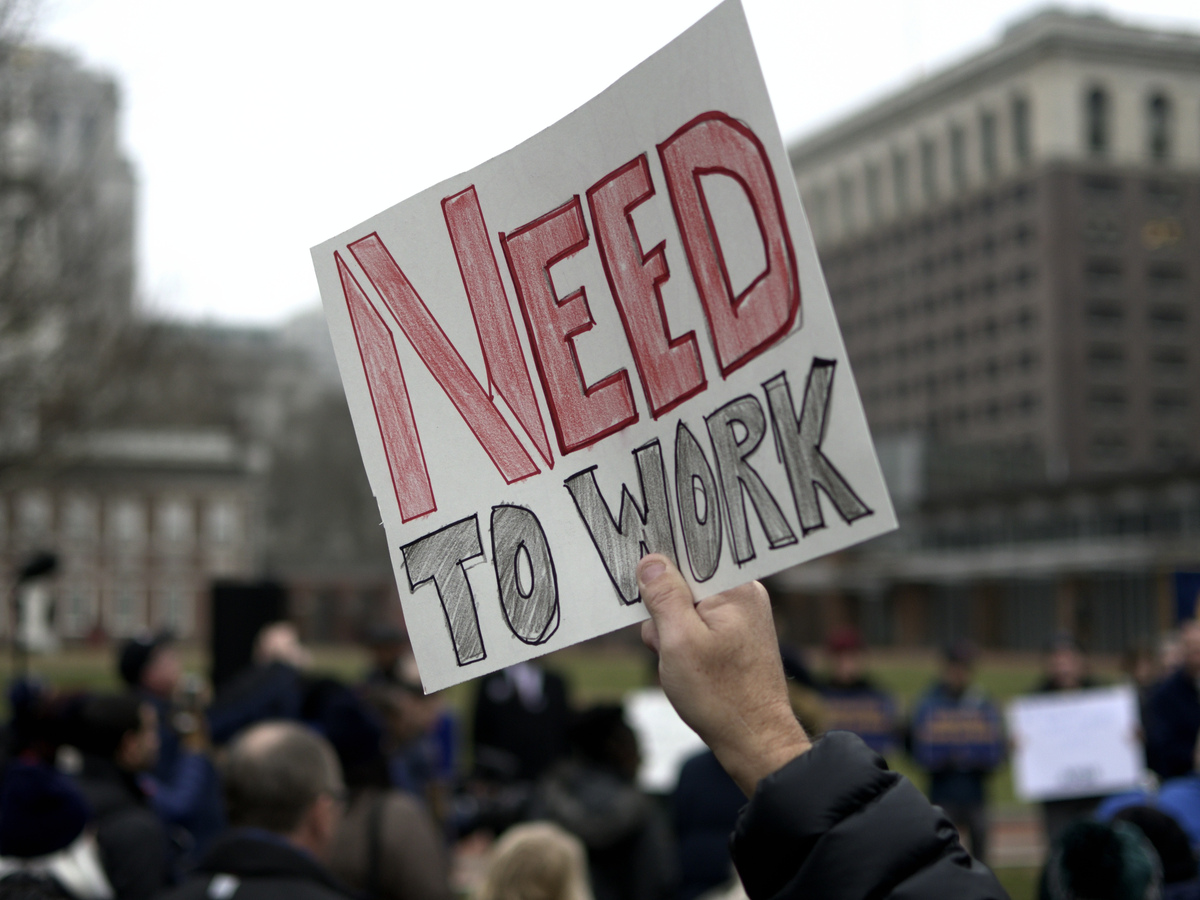
Furloughed federal workers protest the ongoing, partial shutdown of the federal government during a non-partisan rally Tuesday at Independence Mall, in Philadelphia.

Bastiaan Slabbers/NurPhoto/Getty Images


hide caption

toggle caption

Bastiaan Slabbers/NurPhoto/Getty Images

As the prospect of life without a paycheck sets in for 800,000 federal employees and others affected by the ongoing government shutdown, questions are arising about health insurance and other health benefits — dental and vision coverage, and long-term care insurance.

Will shuttered agencies continue to cover benefits for employees and contractors as per usual? We’ve dug up some answers.

Are federal workers and their families still covered by their health plan?

For the most part, federal employees needn’t worry about that, according to the Office of Personnel Management, which has published an FAQ blog post on the topic.

Both the online FAQ and the health insurance industry’s trade association confirm that coverage through the Federal Employees Health Benefits program will continue even if some federal agencies affected by the shutdown aren’t issuing those paychecks and or paying the insurance premiums.

“The shutdown should not impact their coverage,” says Kristine Grow, spokeswoman for America’s Health Insurance Plans, the trade group that represents insurers, including those that offer coverage through the federal program. “It’s business as usual.”

Once the shutdown ends and those payments resume, workers should expect that their usual share of premiums plus the accumulated amount that wasn’t deducted during the missed pay periods will be taken out.

“Procedures may vary somewhat by payroll office, but the maximum additional deduction allowed under regulations is one pay period’s worth of premiums (in addition to the current pay period’s premium),” says an OPM spokeswoman.

Does the same hold for contract workers?

Less clear is what will happen to workers under contract with the affected federal agencies — including some people working as analysts, administration assistants and janitorial staff — who are mostly excluded from the FEHB program.

Many firms that contract with the federal government offer their workers insurance. The federal Office of Personnel Management recommends these contracted employees consult the human resource office at their company for answers regarding the shutdown.

“In 95 percent of cases, even if it’s not required by law, I would think most everyone would continue that coverage,” says Rachel Greszler, a senior policy analyst and research fellow at the Heritage Foundation, who studies economics, budget and labor issues.

Contract workers who buy their own health coverage and are struggling to pay bills without their paychecks may have less recourse, beyond asking insurers for a grace period in paying premiums. But there is no requirement that insurers grant such a request.

“We are concerned about the disruption that this shutdown has caused our members and their families,” notes a corporate statement from CareFirst BlueCross BlueShield — one of the insurers near Washington, D.C. “We are currently exploring how to best address this issue should the shutdown continue.”

Beyond basic health insurance, what other health benefits could be affected?

Depending on how long the shutdown lasts, dental, vision and long-term care insurance programs may start sending bills directly to workers.

Federal workers pay the premiums for these benefits themselves, according to Dan Blair, who served as both acting director and deputy director of the OPM during the early 2000s. He is now a senior counselor and fellow the Bipartisan Policy Center in D.C.

Because workers’ checks are not being processed, the amounts usually sent to these carriers each pay period also aren’t being paid. If the shutdown lasts longer than two or three pay periods, workers will get bills for premiums directly from these firms and should pay them “on a timely basis to ensure continuation of coverage,” the OPM says in its FAQ. Blair agrees.

There also may be a delay in processing claims for flexible spending accounts. These are special accounts in which workers use pretax money deducted from their paychecks to cover certain eligible medical expenses — such as eyeglasses, braces, copayments for doctor visits or medications, including some over-the-counter products.

With no paychecks going out, these deductions are not being made and transferred into FSAs. Once paychecks start up again, the amount deducted will be adjusted so the worker will get the annual total they had requested.

During the shutdown, though, reimbursement claims to these FSA accounts also won’t be processed, the OPM says. Blair suggests holding off on big-ticket purchases during the shutdown, if possible, and to always keeping paperwork on the purchases.

Another consideration: People who switched health plans before a furlough may find their paperwork wasn’t processed in time.

In those cases, the OPM says to stick with the old health plan until the shutdown ends and the new plan is processed. The new plan will pick up any claims incurred.

How will workers know if their change was processed? The OPM’s FAQ says workers who receive an ID card in the mail are enrolled.

“The new policy will be what applies and pays benefits, but there could be some administrative burdens and hassles on the part of workers if the shutdown continues much longer, if the initial bills are not going to the right insurance company,” Greszler says.

Overall, Blair says workers should continue to monitor news media sites — particularly those that focus on federal workers and issues — looking for any updates.

“We’re getting into uncharted territory and there are always things that pop up that no one has planned for,” says Blair, who did not face any shutdowns during his tenure at OPM.

Kaiser Health News is a nonprofit, editorially independent news service of the Kaiser Family Foundation, and not affiliated with Kaiser Permanente.

Let’s block ads! (Why?)

Severe Flu Raises Risk Of Birth Problems For Pregnant Women, Babies

Babies of moms who are in the ICU with severe flu have a greater chance of being born premature and underweight.

Nenov/Getty Images


hide caption

toggle caption

Nenov/Getty Images

Need another reason to get the flu shot if you’re pregnant?

A study out this week shows that pregnant women with the flu who are hospitalized in an intensive care unit are four times more likely to deliver babies prematurely and four and a half times more likely to have a baby of low birth weight.

Researchers compared 490 pregnant women with the flu and 1,451 who did not have the flu. Sixty-four of the women with flu were so ill that they were admitted to a hospital ICU. The results appear in the journal Birth Defects Research.

The study also found that babies of the most seriously ill women were eight times more likely to have low Apgar scores, a measure of a baby’s health in the minutes after birth. The test assesses the baby’s color, heart rate, reflexes, muscle tone and breathing.

It’s not clear exactly how being in the ICU may have affected the newborns, says Dr. Sonja Rasmussen of the University of Florida College of Medicine, one of the study’s authors. She doesn’t think the virus itself causes the problems, but concedes there’s not enough information to draw firm conclusions.

More likely, Rasmussen believes, the problems arise because pregnant women with the flu are at “greater risk of getting pneumonia, of needing to be hospitalized and even being admitted to an intensive care unit,” she says.

“When moms are in the ICU, they often need help breathing, they need a ventilator to breath for them, and it may be that there is some period of time where they aren’t breathing well enough to get adequate oxygen to the baby,” says Rasmussen.

For pregnant women in the study who were diagnosed with flu but who were able to stay home — and even those with flu who were hospitalized but not admitted to the ICU — there was no significant increase in risk for adverse health outcomes for their babies.

Rasmussen says it’s possible that nutrition plays a role in the newborns’ problems. “When you’re having trouble breathing, you have trouble eating and it may be that mom wasn’t getting good nutrition during her time in the ICU.”

Rasmussen says the findings underscore the importance of pregnant women receiving the influenza vaccine and getting prompt treatment with antiviral medications.

Prior to the 2009 pandemic, only about 20 to 30 percent of pregnant women got the flu vaccine. After doctors and health professionals strongly urged vaccination, the rate increased to about 50 percent.

“Since then, flu vaccine rates have stagnated” as memories of the pandemic have faded, says obstetrician-gynecologist Dr. Denise Jamieson of Emory University School of Medicine. The “vast majority” of pregnant women should be vaccinated, she says.

Jamieson says the reasons patients give for not getting the vaccine are numerous. Some say they’ve just never had the flu before and don’t expect to get it while pregnant, which “doesn’t mean they’ll avoid the flu this season,” she says.

Others say they got the vaccine in the past and it made them sick. That’s unlikely, Jamieson says. The flu vaccine does not contain active virus, but rather is a “killed” virus vaccine, and therefore not infectious.

Still other patients worry the vaccine might not be safe for their developing baby. That’s another fallacy, Jamieson says.

“This is a vaccine we have been giving in pregnancy for many decades and there is no indication of any problems,” she says. “It’s a safe vaccine and we know more about this vaccine than any other vaccine in pregnancy.”

And, importantly, it has huge benefits which include “safeguarding pregnant women and their infants against what could be devastating complications of influenza,” she says.

When women get vaccinated, they make antibodies to fight the virus. Those antibodies can cross the placenta and protect the baby from severe illness, which is important, Jamieson says, because infants’ immune systems are still developing and they can’t be vaccinated until they are 6-months-old.

So the vaccine “provides some protection from birth up to six months of age,” she says.

And it’s never too late or too early to get the vaccine, according to Jamieson. Pregnant women should get their flu vaccine as “soon as it’s available,” she says.


Let’s block ads! (Why?)

Democrats' Health Care Ambitions Meet The Reality Of Divided Government

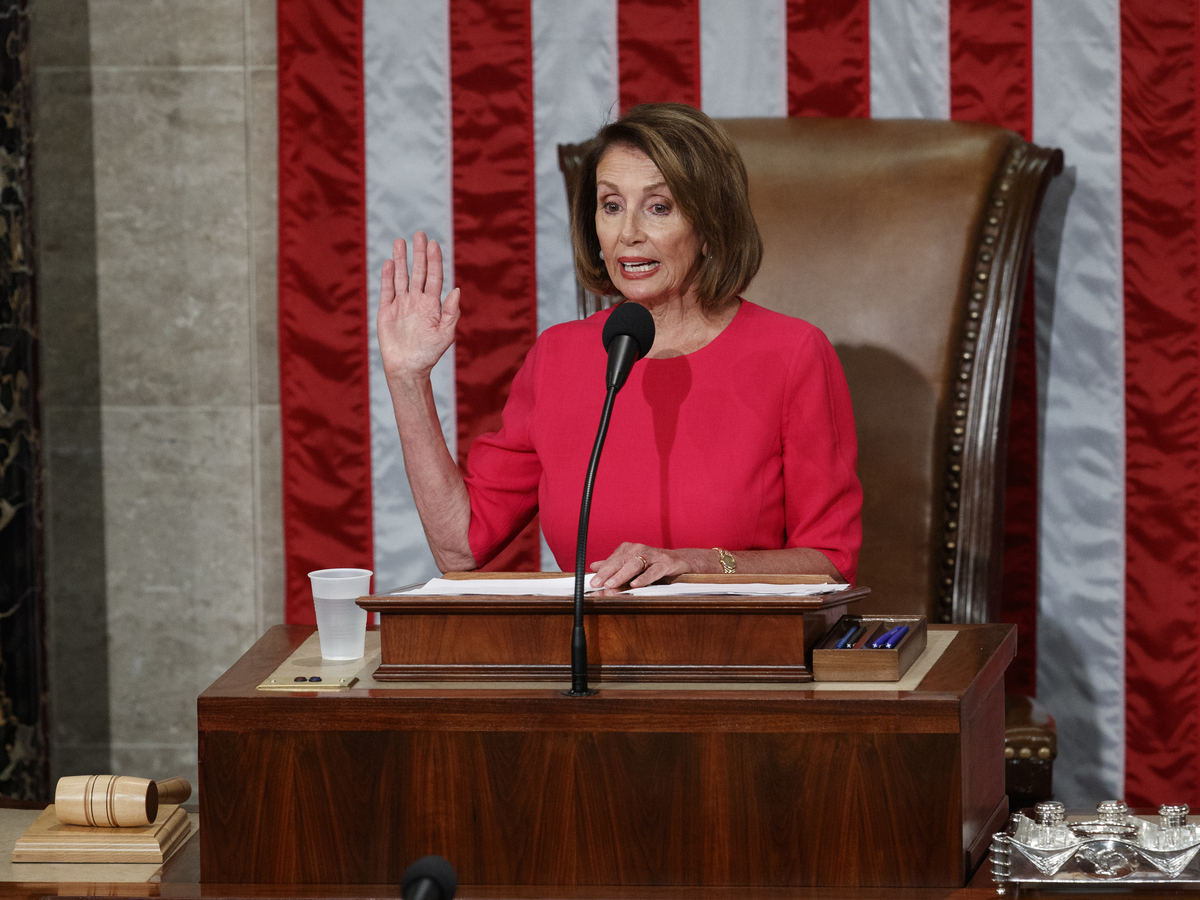
House Speaker Nancy Pelosi said in a speech Thursday to the new Congress that Democrats want “to lower health care costs and prescription drug prices and protect people with pre-existing medical conditions.”

Carolyn Kaster/AP


hide caption

toggle caption

Carolyn Kaster/AP

In her first speech as speaker of the House, Nancy Pelosi made it clear that she knows that health care is key to why voters sent Democrats to Congress.

“In the past two years the American people have spoken,” Pelosi told members of Congress and their families who were gathered Thursday in the House chamber for the opening day of the session.

“Tens of thousands of public events were held, hundreds of thousands of people turned out, millions of calls were made, countless families, even sick little children — our little lobbyists, our little lobbyists — bravely came forward to tell their stories and they made a big difference,” said Pelosi, a California Democrat.

What is the Democrats’ mandate?

“To lower health care costs and prescription drug prices and protect people with pre-existing medical conditions,” she said to applause.

In their campaigns last year, Democrats promised to protect the Affordable Care Act, and the access to coverage that it guarantees for many people. Many Democrats went further, running on the promise of “Medicare-for-all.”

But now that Democrats control the House, their ambitions are meeting up with reality.

With the Senate in Republican hands and President Trump having promised to repeal the ACA, Democrats’ ability to make sweeping health policy changes is limited.

Instead, they’ll likely rely on hearings and turn to the courts to try to influence health policy and shore up the ACA.

Pelosi started on Day 1.

Just hours after her speech, House Democrats voted to intervene in a lawsuit in an effort to protect the Affordable Care Act. The House will join several state attorneys general in appealing the ruling of a federal district judge in Texas that the law is unconstitutional.

And Rep. Frank Pallone, D-N.J., head of the Energy and Commerce Committee, announced a hearing on the impact of the ruling. He said he intends to hold lots of hearings to review the Trump administration’s actions around the ACA — actions he calls “sabotage.”

“At a time when the Trump administration is doing all the sabotage of the ACA, I think the focus really has to be on trying to prevent the sabotage and making sure the ACA is strengthened,” he said in an interview in his Capitol Hill office.

That “sabotage” includes Trump’s decision to stop reimbursing insurance companies for discounts they’re required by law to give to their lowest-income clients, Pallone said.

He also cited a Department of Health and Human Services rule change that allows insurance policies that don’t carry the full benefits required by the ACA to be renewed for up to three years. In the past, those plans were intended to serve as a bridge for someone between jobs and were limited to just a few months

Pallone said these and other changes may violate the law.

“I think if you do some good oversight and find out what the sabotage consists of, then you can say, ‘Well this isn’t allowed under the law,’ ” Pallone said. “And then you either take it to court or try to get legislation passed.”

Oversight is a powerful tool, said Chiquita Brooks-LaSure, a former HHS official who is now a managing director at Manatt Health Strategies, a lobbying firm.

“I don’t think we should underestimate how important that is, when decisions that are being made are questioned and officials have to defend them,” she said.

For the past two years, the focus in Washington has been on repealing or dismantling the Affordable Care Act. That’s about to change, she said.

“That energy can now shift to examining what the administration is doing and putting forth other ideas and other proposals, some of which might generate bipartisan agreement,” she said.

Pallone is hopeful that Republicans may support some measure to shore up the ACA. In the last Congress, Sen. Lamar Alexander, R-Tenn., proposed bills that would restore those payments to insurers, and he backed a plan to create a reinsurance program that could help reduce premiums.

Pallone acknowledged Democrats’ plans are much less ambitious than the “Medicare-for-all” proposals that many of his colleagues touted during their campaigns.

“I just think it’s unlikely that we could ever pass it,” he said. “So I don’t want to prioritize that.”

Let’s block ads! (Why?)

No Translations Needed At globalFEST 2019

Clockwise from upper left: Orquesta Akokán, Dakh Daughters, Combo Chimbita, Debashish Bhattacharya, Gato Preto

Bob Boilen/for NPR Music


hide caption

toggle caption

Bob Boilen/for NPR Music

Amidst the constant drumbeat of 2019’s political talk, of raising walls and shutting out opposition — this year’s globalFEST artists and organizers articulated a very clear vision, one that makes room for bracingly new voices. The one-night festival of global music, held each January in Manhattan, featured a remarkable lineup of musicians from around the world, including India, Cuba, Ukraine, Mozambique, and even New York City itself. Now in its sixteenth year, globalFEST was founded in a post-Sept. 11 era when foreign musicians often struggled to tour the U.S., due to what organizers perceived as a time of increasing xenophobia. But securing visas in difficult times is one of the things that makes globalFEST a special event — the overtly political, Jordanian Palestinian band 47Soul, who performed at this year’s festival, was a shining example of that. They, along with the other artists who performed at Sunday night’s event seemed to find meaning and inspiration in connections to the past while clearly — and very pointedly — pushing ahead.

Three strikingly different acts invited to this year’s globalFEST, which was held this year at the Copacabana nightclub in Midtown, celebrated their respective “futurist” visions. Combo Chimbita, a quartet of first-generation New Yorkers who layer the sounds of Colombia amidst a haze of glittering costumes and roaring vocals, call their style “tropical futurism.” Jeremy Dutcher, the Polaris Prize-winning singer, composer and musicologist from Canada, who draws upon his First Nation heritage, talks about infusing his music with the philosophy of “indigenous futurism.” And Gato Preto, a sleek German-based duo who mix a panoply of African styles — from Mozambique, Angola, Ghana, Senegal and beyond atop four-on-the-floor beats — call their music “Afrofuturist global bass.” Clearly, the future is now.

One element of the 2019 edition of globalFEST went awry: The evening’s planned closer, the venerable calypso king Mighty Sparrow had to cancel, due to illness.

On this episode of All Songs Considered, host Bob Boilen is joined by NPR Music’s Anastasia Tsioulcas, WFMU‘s Rob Weisberg, host of the show “Transpacific Sound Paradise,” and Beat Latino‘s Catalina Maria Johnson to talk about the most memorable moments and sounds from this year’s globalFEST.

Artists Featured On This Episode

Cover for Shamstep

47Soul

  • Song: Intro to Shamstep

This quartet of guys who are members of the Palestinian diaspora (two from Jordan, one raised in Washington, D.C. and one in Israel) layer the dabke beat — which has powered the dance moves of the Eastern Mediterranean for at least hundreds of years — with synths, raps, drum machines and ebullient choruses sung in both Arabic and English. With lyrics that are at once intensely political and sweetly universal, this is one “smart party band,” as contributor Rob Weisberg says.

[embedded content]

YouTube


Cover for Orquesta Akokan

Orquesta Akokán

  • Song: Mambo Rapidito

This powerhouse big band, comprised of a blend of Cuban musicians and self-styled “Latin music freaks” from New York, revels in the lush, plush sounds that made Cuban artists like Machito and Mario Bauza famous at New York nightclubs and with American music fans in the 1940s and 1950s. When globalFEST decided to host this year’s edition at New York’s Copacabana nightclub — a venue with a history that stretches back nearly 80 years and boasts a long association with Latin music — the festival’s organizers decided that Akokán had to be the first group they invited this time around.

[embedded content]

YouTube


Cover for Wolastoqiyik Lintuwakonawa

Jeremy Dutcher

  • Song: Mehcinut

The kind of work that the Polaris Prize-winning Dutcher makes is perfect for a certain and very current artistic moment: dreamy and intensely ambient music that will appeal to fans of artists like Max Richter and Ólafur Arnalds. But there’s a whole lot more going on beneath the surface: Dutcher matches his classical vocal training with the language and songs of his First Nation people, the Wolastoq of eastern Canada — and performs achingly beautiful, time-crossing dialogues with his ancestors by sampling 110-year old wax cylinder recordings of other Wolastoqiyik singers in his own work. The ease of Dutcher’s sonic textures belie the urgency of his mission: it’s believed that there are only about 100 speakers of the Wolastoqey language in the world today.

[embedded content]

YouTube


Cover for Funk 'n' Feathers

Cha Wa

  • Song: Li’l Liza Jane

This New Orleans band meshes Mardi Gras Indian krewe traditions with another revered lineage from their native city: funky horns. Cha Wa’s party sounds, and brilliantly colored, elaborately feathered dress could barely be contained by the small space of the Copa’s basement studio. (Literally: their headdresses were brushing the venue’s low-set ceiling.)

[embedded content]

YouTube


Cover for Dig

Amythyst Kiah

  • Song: Darlin Corey

“Southern Gothic, alt-country blues” is what this Tennessee-based singer-songwriter calls her work, which is a fluid combination of her own, wry material and reverent (but bracingly fresh) covers of the music she’s inherited, from the folk song “Darlin Corey” to the work of blues masters like the Reverend Gary Davis to Dolly Parton’s “Jolene.” But what will really stop you dead in your tracks is her voice, which manages at once to be butterscotch-rich and still cut like a knife.

[embedded content]

YouTube


Cover for Dreamers

Magos Herrera & Brooklyn Rider

  • Song: Niña

An inspired partnership between the Mexican jazz singer and the classical-and-beyond string quartet led to one of our favorite albums of 2018, the ineffably lovely and very timely Dreamers, a collection of texts from great Latin American poets and songwriters. Heard live (and joined by percussionist Mathias Kunzli, who also appears on the album), their performances were just as deeply felt, but they’re much better suited to a cozy room than to a barely insulated “rooftop” space at the Copacabana that they were afforded at globalFEST. Even so, the musicians transcended the limitations of the space, and soared far above even the Manhattan skyline.

[embedded content]

YouTube


Cover for Lyudyna (Single)

Dakh Daughters

  • Song: Lyudyna

If you’re already acquainted with the Ukrainian group DakhaBrakha (that fierceness! those hats!), you might have an idea of what the female troupe Dakh Daughters — born out of the same arts center in Kiev — might have in store, with a similarly heavily stage-crafted presentation, this time with each performer’s face painted not unlike a porcelain doll. (Don’t let that mask of fragility fool you, though.) But this punk cabaret act is a more purely performative experience, melding theatrical monologues with intricately harmonized Ukrainian folk music.

[embedded content]

YouTube


Cover for (From A Tiny Desk Performance)

Debashish Bhattacharya

    This Calcutta-based slide guitarist is a perennial NPR Music favorite and Tiny Desk alumnus. He’s meshed his youthful fascination with Hawaiian steel guitar and love of the blues with the architecture and vocabulary of Hindustani (North Indian) classical music. The result is intoxicating — and, as you can hear in his 2013 Tiny Desk Concert below, brilliant.

    [embedded content]

    YouTube


    Cover for Our Truth

    B.C.U.C.

    • Song: Yinde

    This group from Soweto, South Africa (and more formally named Bantu Continua Uhuru Consciousness) mixes the rich musical legacy of Soweto — from ritual music to songs from churches and shebeens alike — with raps, funk and Afrobeat flow.

    [embedded content]

    YouTube


    Cover for Tempo

    Gato Preto

    • Song: Moçambique

    Afrofuturism is now, in the hands of this Dusseldorf, Germany-based duo. They draw upon the sounds of Mozambique, Ghana, Senegal, Angola and Portugal to make pulsating, four-on-the-floor club beats.

    Tempo by Gato Preto


    Cover for Abya Yala

    Combo Chimbita

    • Song: Ampárame

    This New York-based band delivered a high-octane dose of a style they’ve dubbed “tropical futurism” to close out the night. They blend Afro-Caribbean sounds with cumbia, psychedelia and even a hint of prog rock, all metabolized by frontwoman Carolina Oliveros’ muscular voice and her frenetic playing of the guacharaca, a scraped percussion instrument.

    [embedded content]

    YouTube


    Let’s block ads! (Why?)