Is 20-Something Too Late For A Guy To Get The HPV Vaccine?

WFYI’s Jake Harper reports health stories for Side Effects Public Media in Indianapolis. His newest health anxiety stems from the human papillomavirus, or HPV. Brian Paul/Side Effects Public Media hide caption

toggle caption

Brian Paul/Side Effects Public Media

Sex with someone new has always made me nervous. Now, TV is making it even worse.

I keep seeing scary ads featuring young people asking their parents why they didn’t get the vaccine to protect against the human papillomavirus — HPV. If you’re unfamiliar with HPV, it’s a sexually transmitted infection that has been linked to various cancers, including cervical cancer in women.

I didn’t get vaccinated. So lately I’ve been wondering: Now that I’m 29, is it too late for me to get the vaccine?

I found out about HPV eight years ago when a college girlfriend got immunized. Back then, the Centers for Disease Control and Prevention only recommended the vaccine for girls and young women between the ages 11 and 26. The earlier the better, they said, to try to reach girls before they become sexually active. The vaccine is also more effective at a younger age.

At the time, I remember thinking that limiting it to females was strange — after all, men still spread HPV, right? But with my partner vaccinated, I let it go. I didn’t know HPV could cause health problems for men.

But HPV absolutely affects men. It causes genital warts and is pulling past tobacco and alcohol as a leading cause of cancers in the back of the mouth and throat, the area called the oropharynx. The CDC now estimates about 70 percent of all oropharyngeal cancers may be caused by HPV, including roughly 12,600 cases in men each year.

“There are now more oropharynx cancers in men in the United States each year than there are cervical cancers in women,” says Dr. Erich Sturgis, a surgeon and researcher at the University of Texas MD Anderson Cancer Center in Houston.

And there’s no way to screen for oropharyngeal cancer, so Sturgis says most people catch it late.

“Typically it’s a man, while he’s shaving,” says Sturgis. “He notices a lump in his neck. That means it’s already a cancer that has spread.”

HPV also puts men at a risk for cancers of the anus and penis. Those are rare, but still make me anxious.

[embedded content]

So, for men like me who missed the vaccine, is it still worth it?

The answer is complicated. In 2011, the CDC began recommending the vaccine for males ages 11 through 21 years old (26 for some high-risk groups).

Despite my age, researchers I talked to said that the vaccine could still help—if I haven’t already been exposed.

But therein lies a complication. An estimated 80 percent of sexually active people will be exposed to HPV by the age of 45. In most people, the virus goes away on its own after two years. For men, there’s no commercially available test to find out if you have been exposed. Women can be checked for HPV exposure as part of a Pap test.

To have 80 percent of sexually active young adults exposed sounds bleak. But there’s a caveat: “There are several dozen types of HPV that infect the genital region,” says psychologist Greg Zimet, who co-directs the Center for HPV Research in Indianapolis. Only a fraction of those cause cancer or warts, and the latest version of the vaccine Gardasil protects against nine of those HPV types — the ones responsible for vast majority of HPV-related problems.

So let’s say — hypothetically — you’re kind of shy and haven’t had that many partners. Is it possible you’ve been spared?

“The chances you’ve been exposed to all nine types are actually vanishingly small,” says John Schiller, a microbiologist who studies HPV and HPV vaccines at the National Cancer Institute.

Schiller says the vaccine might not be a bad idea for someone outside the CDC’s recommended age range. Still, it’s not cheap.

“You’re past the age where your health insurance is going to pay for it,” says Schiller, so getting the vaccine isn’t imperative — it’s a personal decision.

“Peace of mind for you may be worth more than it is for some other people,” he tells me.

So, I got the vaccine. It’s costing $130 out-of-pocket per dose, and the CDC recommends three shots. But it could help me, even if it just calms my anxious inner voice. And it might keep me from spreading the virus to someone else.

This story is part of NPR’s reporting partnership with Side Effects Public Media and Kaiser Health News.

Let’s block ads! (Why?)

West Virginia Grapples With High Drug Costs

State lawmakers in West Virginia say their budget choices are only getting tougher. About a third of state residents are on Medicaid. OZinOH/Flickr hide caption

toggle caption

OZinOH/Flickr

Skyrocketing prices for essential medicines like the EpiPen, are generating public outcry, congressional hearings and political promises for policy fixes. In the meantime, the increases continue to hit pocketbooks — even of people who don’t rely on these expensive drugs. In a state like West Virginia, where dire budget shortfalls have been a problem over the last few years, the problem is especially pronounced.

Kimberly Earl, of Charleston, W.Va., is feeling the pinch. She has four children, all of whom need medication.

“I have a 13-year-old who’s a pediatric cancer survivor,” she says. “I have two children who are allergic to foods, medication and environmental factors, and both of those children both have asthma.”

Last year, two of her children needed new EpiPens — which come in a 2-pack. (The dose of epinephrine each pen delivers is designed to be used in an emergency, to stop a severe allergic reaction.) The Earls have private health insurance, but had yet to meet their $10,000 family deductible for 2015. They didn’t have enough money for two boxes of EpiPens at the $600 price — even with a $100 discount from the drug’s manufacturer. So the family improvised.

“We took the pens and we split the two pens between two kids,” Earl explains. “I actually took the pens out and wrote on the top — ‘use this one first’ on the current pens, and ‘use this one second’ on the expired pens. So each kid was walking around with one current pen and one expired pen. And we were just hoping that if there was an issue they wouldn’t have to use that second pen.”

While Earl paid for the drugs out of pocket, about a third of West Virginians are insulated from these direct costs because they are covered by Medicaid. The state expanded Medicaid under the Affordable Care Act, giving lower-income people the government-sponsored insurance. Most Medicaid patients don’t have premiums or copays.

But in the end, rising drug prices affect everybody in West Virginia. When lawmakers consider the state’s budget, they only have so much revenue to divvy up among priorities that include health care services, roads and schools, says Dr. James Becker, the medical director of Medicaid in West Virginia.

“So when the cost of a drug goes up dramatically,” he says, “that impacts our system and we have to step in and make adjustments to regulate the drug appropriately.”

The West Virginia Department of Health and Human Resources can regulate the cost of drugs by negotiating lower prices through the federal rebate program. The rebate program is a complex system, but basically comes down to this: The more Medicaid patients enrolled in the program, the more bargaining power the government has to make drug companies lower their prices. Another way Medicaid manages costs is by including older, cheaper, but still effective drugs in its formulary, rather than relying on more costly new brands.

But even with these measures, the overall increase in the price of medications has forced some shifting of funds in other parts of the state budget, says Ron Stollings, a Democrat and state senator from Boone, W.Va.

“Certainly for Medicaid funding in West Virginia, [the hike is drug prices] is a huge cost,” says Stollings, a former chairman of the state senate’s health committee. “So when we have to put money into funding Medicaid, we have to cut funding for higher education and secondary education; we have to put off paving projects, etc.”

Stollings says these rising Medicaid costs — partially due to higher drug costs — fall on the taxpayer, who may end up paying more state taxes to fund the budget.

“If you’re a taxpayer, it impacts you,” Stollings says. “If you’re an insured person it will impact your premiums, and if you are on Medicaid you may get this expensive medication, but they may be ratcheting down coverage for other things.”

Medicaid is a large portion of the West Virginia’s budget, right behind public education. And it will probably get even bigger next year, as the state picks up more of the Medicaid expansion costs from the federal government.

This story is part of a reporting partnership with NPR, West Virginia Public Broadcasting and Kaiser Health News.

Let’s block ads! (Why?)

You Can Monitor Your Heart With A Smartphone. But Should You?

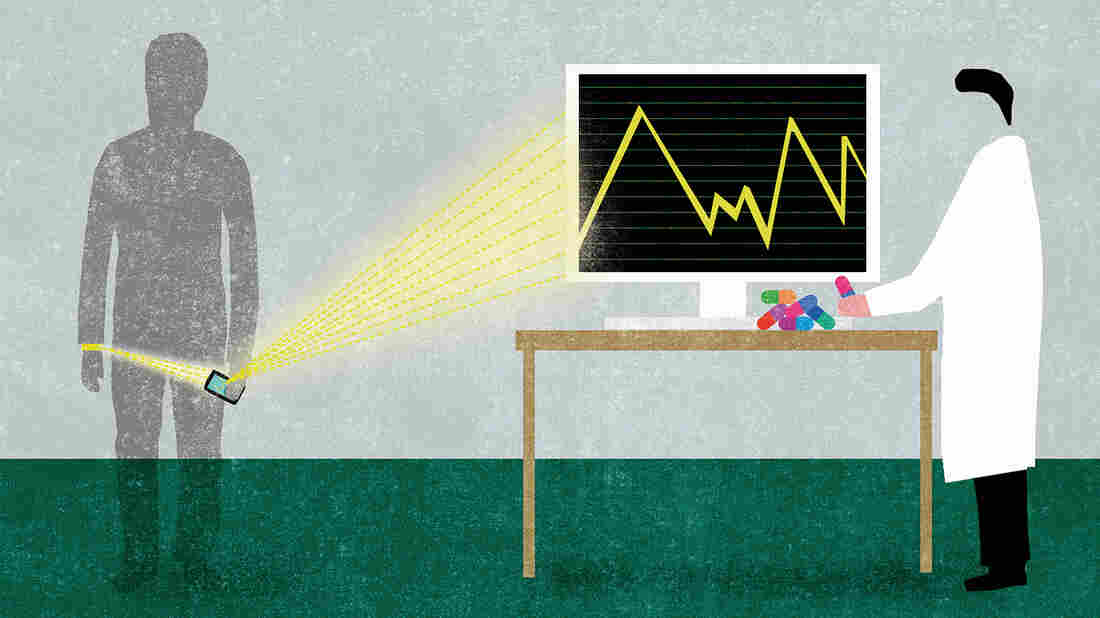
Medical apps are getting pretty good at monitoring the heart. The question is what to do with that data.

Patric Sandri/Ikon Images/Getty Images

Digital gizmos can monitor your heart, whether it’s a wrist-worn fitness tracker or a smartphone app to help cardiologists analyze diagnostic tests. The question is whether they’re going to do your heart any good. The short answer: it depends.

New research finds that wrist-worn fitness trackers become less accurate with more vigorous exercise, which presumably is when you’d most want to know your heart rate. The study, published Wednesday in JAMA Cardiology, tested the Apple Watch, FitBit Charge HR, Basis Peak and Mio Alpha wristbands.

“We have patients come in who have different kinds of monitors like these. Many of them are very concerned because they’ve recorded values that seem way outside of the normal range,” says Dr. Marc Gillinov, a cardiac surgeon at the Cleveland Clinic and an author on the study. The study was designed find out if those readings are accurate.

Overall, the Apple Watch and Mio Fuse did best, with about 91 percent accuracy. The others fell in the 80 percent accuracy range, both overestimating and underestimating wearers’ heart rates.

For most people, errors like these aren’t a big deal, says Gillinov. But for elite athletes and cardiac patients who try to keep their heart rates in certain ranges, these devices might not be the best choice.

“For those groups, I’d recommend medical-quality chest-strap monitors,” says Gillinov, adding that he doesn’t think that inaccurate heart rate monitors are dangerous, just that they might not be useful.

Part of the problem is how they work, he explained.

If you’ve ever been in a hospital, you might have had a little plastic clip attached to your big toe (or your ear, or your finger.) Those are pulse oximeters — they measure heart rate and oxygen content by shining a light through your skin. Different amounts of light bounce back depending on how much blood is flowing. By measuring changes in reflected light, pulse oximeters can track how fast your heart is beating. Hospital pulse oximeters are wrong all the time. “We often have to move the monitors around because we lose the signal,” says Gillinov.

The heart rate monitors in FitBits and Apple Watches work the same way, except they shine the light through your wrist. If you have dark skin, a tattoo or a birth mark where the monitor sits, Gillinov says that can confuse the monitor.

This isn’t the first time wrist-born heart rate monitors have been called inaccurate. A class-action lawsuit filed against FitBit in early 2016 claimed just that.

In a statement provided to NPR, Fitbit says that “Fitbit trackers are not intended to be medical devices” and that internal research shows that their trackers meet “industry standard expectations for optical heart rate on the wrist.”

But there are growing numbers of heart-monitoring apps that are intended to be used as medical devices, which unlike fitness trackers have to be approved by the Food and Drug Administration. Some are designed for home use, while others are for health care providers.

Screening for atrial fibrillation has gotten a lot of attention, because this irregular heartbeat can cause blood clots, parts of which can break off and move to the brain, causing stroke. Patients with atrial fibrillation are five times more likely to have strokes, and it affects 9 percent of people over 65.

It’s possible to be experiencing atrial fibrillation and not know it. Since this condition can come and go, there’s no guarantee that doctors will catch the errant heartbeats. Right now, the only way to detect it is with an electrocardiogram, or EKG, which involves visiting a medical professional and using a machine to monitor the heart’s electric signals.

One iPhone app, called Cardiio Rhythm, measures heart rate using a phone’s camera. The concept is similar to a pulse oximeter or wrist wearable. Researchers used this phone-based heart rate monitor to detect atrial fibrillation. In a study published in July in the Journal of the American Heart Association, researchers used the app to screen a little over 1,000 patients for atrial fibrillation. They caught the erratic heartbeats in 92.9 percent of patients who had it, and correctly identified 97.7 percent of patients who didn’t.

That’s not accurate enough to make a diagnosis, but it is accurate enough for widespread at-home screening, says Ben Freedman, deputy director of cardiovascular strategy at the Heart Research Institute in Sydney, in an editorial accompanying the study. The app could tell people if they were at risk, but confirmation would have to come from a doctor’s office.

Another device, called AliveCor, scans for atrial fibrillation using a small handheld EKG. The AliveCor EKG can connect to a smartphone and analyze heartbeat. A study published Wednesday in Heart trained 13,122 participants to use the AliveCor EKG on themselves. Only .4 percent of their results could not be interpreted, and they caught 98 percent of atrial fibrillation cases in participants over 60. However, it had a high rate of false-positives, and only correctly identified 29.2 percent of those without atrial fibrillation.

“Our study found that a significant number of citizens with previously undiagnosed atrial fibrillation were picked up by community screening,” says Dr. Ngai-Yin Chan, a cardiologist at Princess Margaret Hospital in Hong Kong and the lead author on the study. People with atrial fibrillation can be prescribed blood thinners to reduce the risk of clots, and beta blockers or other medications to slow heart rate. “Whether this will be translated into people seeking medical help needs to be answered by future studies.”

A cardiologist and director of the Ahmanson-UCLA Cardiomyopathy Center, Dr. Gregg Fonarow, hopes that technologies like this will help identify atrial fibrillation early on and reduce the risk of stroke. “These applications can change the way cardiologists treat atrial fibrillation and prescribe better drug protocols,” he told NPR via email.

But we’re not there yet. Gillinov, the author of the fitness-tracker accuracy study, deals with a lot of atrial fibrillation patients in his work as a cardiac surgeon. He thinks that self-screening could save a lot of lives, but that it’s important doctors be included in the process.

Plus, he says, not everyone should be screened for atrial fibrillation. “If young people start screening themselves, we’re going to see a lot of false positives, even with very accurate devices.”

The American Heart Association plans to release a policy statement on telehealth, including at-home heart monitoring, sometime in the next six months.

Let’s block ads! (Why?)

Organ Donations Spike In The Wake Of The Opioid Epidemic

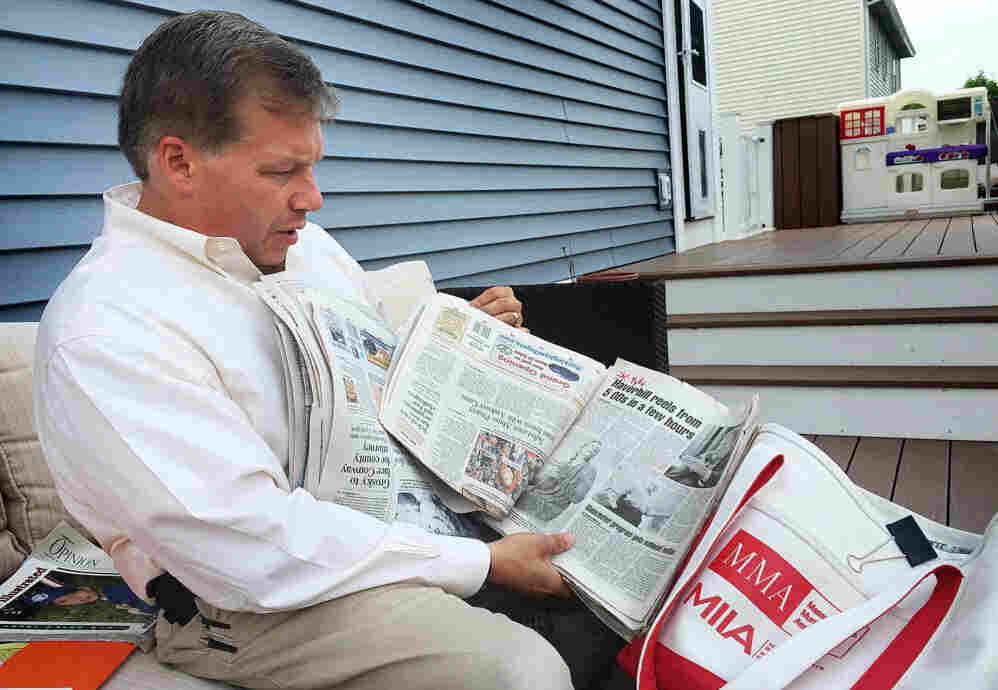
At his home in Haverhill, Mass., Colin LePage leafs through newspapers he shows to middle-schoolers to educate them about the dangers of drugs. Martha Bebinger/WBUR hide caption

toggle caption

Martha Bebinger/WBUR

On the final day of June 2015, Colin LePage rode waves of hope and despair. It started when LePage found his 30-year-old son, Chris, at home after an apparent overdose. Paramedics rushed Chris by helicopter to one of Boston’s flagship medical centers.

Doctors revived Chris’ heart, but struggled to stabilize his temperature and blood pressure. At some point, a doctor or nurse mentioned to LePage that his son had agreed to be an organ donor.

“There was no urgency or, ‘Hey, you need to do this.’ I could see genuine concern and sadness.” LePage says, his voice quavering.

The next morning, after another round of tests showed no signs of brain activity, LePage said goodbye to the son who’d been revived but wasn’t fully alive.

“I sat in a chair with him and held his hand,” LePage says. “It wasn’t clinical. It didn’t feel like someone’s gaining something here. I knew that someone was, and that’s comforting that someone else has been able to have a little piece of my son and some of their pain is not what it used to be.”

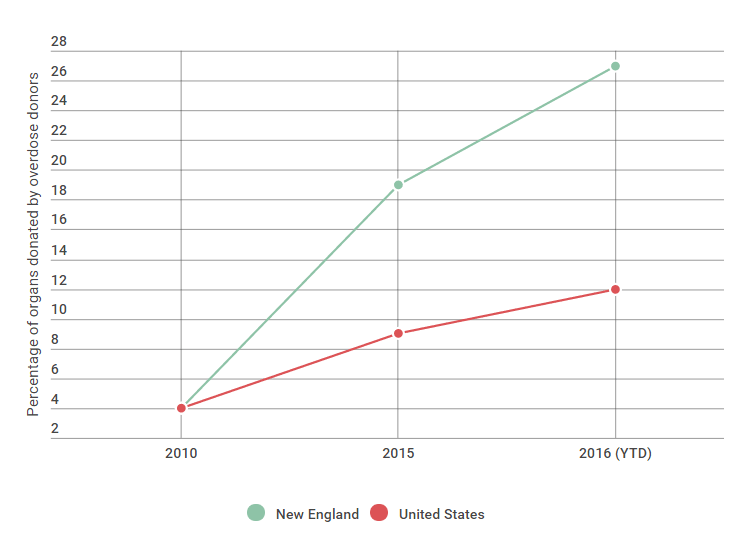
Chris’ liver is now working in the body of a 62-year-old pastor. His case is one among the nearly 900 percent increase so far in donations across New England since 2010. So far this year, more than 1 in 4, or 27 percent, of donations in New England are from people who died after a drug overdose. Nationally, that rate dips to 12 percent for the same time period.

“It’s remarkable and it’s also tragic,” says Alexandra Glazier, president and CEO of the New England Organ Bank. “We see this tragedy of the opioid epidemic as having an unexpected life-saving legacy.”

That legacy is much more dramatic in New England than across the U.S. as a whole, where organ donations from drug users are up from 341 in 2010 to 790 through Aug. 31 of this year.

Percentage of organs donated by overdose donors

Source: The New England Organ Bank

It’s not clear why. Overdose death rates are high in New England, but not the highest in the country. Glazier says the 12 transplant centers in that region may be more aggressive about finding a match for patients with failing hearts, livers or kidneys. And she says New Englanders tend to be pragmatic about end-of-life decisions.

Some hospitals in Massachusetts report that they are performing a record number of transplants. At Lahey Hospital and Medical Center in Burlington, the number of patients receiving a liver transplant has roughly doubled in the past three to four years.

Hospitals are required to test organs and warn patients if there is a risk of contracting HIV or hepatitis B or C, which are more common in IV drug users. That risk may be less troubling for patients these days because there are drugs to treat these viruses if patients become infected.

Some patients in need of organs still hesitate at the idea of accepting a liver or kidney donated by a drug user. But not at Lahey, where Dr. Mohamed Akoad chairs the department of transplantation.

“Most of these patients trust the fact that these donors are tested and they understand that their chance of dying while waiting for an organ is high,” he says.

Akoad says Lahey has not had any cases of HIV or hepatitis B or C transmission in recent years.

That’s the case at Mass General in Boston as well. Dr. Jay Fishman, associate director of the hospital’s transplant center, says an organ from someone who used drugs is not necessarily risky and may even be healthier than other options.

“You have to remember that as awful as this outbreak is, these are younger people who are dying, often with needles in their arms, and many of them were first-time drug users,” Fishman says. “They weren’t all addicts.”

Despite the increase in available organs, there’s no sign that the supply is keeping up with the demand from aging Americans and those with chronic diseases.

“The number of people on the waiting list is increasing faster than the number of donors, even with the increases related to overdoses,” says Dr. David Klassen, chief medical officer at the United Network for Organ Sharing, which tracks and manages organ donations in the U.S.

There are likely many more organs available from the victims of drug overdoses than those collected. Some patients addicted to heroin or other opioids don’t carry a driver’s license, haven’t spoken to a family member about their end-of-life wishes, or aren’t in touch with family members who could give consent to donate an organ.

“I’ve never heard anyone talk about organ donation as a possibility. I’m not sure it’s on their radar screen,” says Dr. Jessie Gaeta, chief medical officer at the Boston Health Care for the Homeless Program.

Gaeta says she isn’t sure how she would suggest organ donation, even to her high-risk patients.

“It’s really nihilistic to say that to someone in their early 20s,” Gaeta says. “I have so much hope for my patients, yet if someone does die and there’s a chance for their organs to be helpful, that’s one good thing to come of a death like that.”

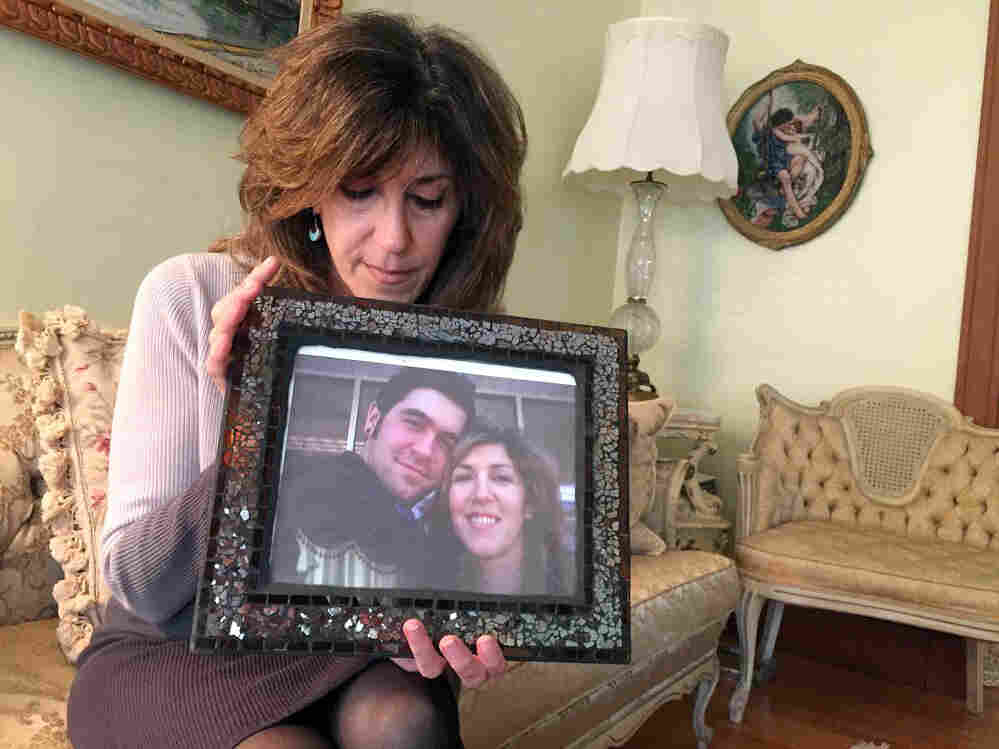
Debbie Deagle holds a photo of her son Stephen and herself. Martha Bebinger/WBUR hide caption

toggle caption

Martha Bebinger/WBUR

For many mothers and fathers, sisters and brothers who’ve lost someone to an overdose, organ donation is a nearly taboo topic. It can trigger feelings of guilt, anger and despair, even among people who participate.

Debbie Deagle sat next to her son Stephen’s unresponsive body for six days before agreeing to turn off his respirator.

“Before they took him,” Deagle says, weeping, “I had my head on his heart, just so I could hear that beat, and they had to peel me off.”

More than a year later, Deagle is still haunted by questions: Should she have asked for another opinion about the scans of Stephen’s brain?

“Never in a million years do you ever visualize kissing your child whose heart’s beating and having to watch them wheel that stretcher away and know they’re going to cut him open and take out a beating heart,” Deagle says.

The transplant patient who received Stephen’s heart did not make it, leaving Deagle with the feeling her son had died again. She has written to the patients who received Stephen’s liver and kidneys, but has not heard back.

This story is part of NPR’s reporting partnership with WBUR and Kaiser Health News.

Let’s block ads! (Why?)

Breast Cancer Death Rates Are Down, But Racial Disparities Persist

Lack of access to quality medical care remains a major factor in higher breast cancer death rates among African-Americans. Deborah Jaffe/Getty Images hide caption

toggle caption

Deborah Jaffe/Getty Images

Women are less likely to die of breast cancer than they were a decade ago, but not all women are benefiting from that trend.

White women saw more of a drop in death rates than black women — 1.9 percent a year from 2010 to 2014, compared to a 1.5 percent decrease for black women, according to a report published Thursday by the Centers for Disease Control and Prevention.

And while the death rates for women under 50 declined regardless of race, older black women are more likely to die of breast cancer than are white women.

That’s especially troubling because 40 years ago, black women were less likely to get breast cancer. That’s changed. Black women’s breast cancer risk is now the same as that of white women’s, and black women are 41 percent more likely to die of the disease.

There can be some good reasons for the rise in the number of black women being diagnosed with breast cancer, like more women getting screening mammograms. But there are bad reasons, too.

The CDC report cites calorie-dense foods, lack of exercise and increasing rates of obesity as potential reasons.

And while this report found similar reductions in deaths among younger black and white women, older white women saw their death rates drop by 2 percent a year, compared to 1 percent in black women.

Access to care is one big reason why, according to Otis Brawley, chief medical and scientific officer for the American Cancer Society.

“Forty to 50 percent of black women get less than optimal care for breast cancer, whether it’s mammography or treatment,” Brawley says.

They’re not alone in that; poor white women are also much less likely to get adequate care, and more likely to die as a result.

“We need to focus on getting good care, high-quality care to everybody,” Brawley adds. “We need to realize that in the United States of America in 2016 a substantial proportion of Americans with cancer get absolutely atrocious care.”

Let’s block ads! (Why?)

Reviews Of Medical Studies May Be Tainted By Funders' Influence

Since a single scientific study rarely provides a definitive answer, researchers combine the results of several studies to reach clearer conclusions.

Roy Scott/Ikon Images/Getty Images

When doctors want to help untangle confusing and sometimes contradictory findings in the scientific literature, they often turn to specially crafted summary studies. These are considered the gold standard for evidence. But one of the leading advocates for this practice is now raising alarm about them, because they are increasingly being tainted by commercial interests.

For many years, these studies — called meta-analyses and systematic reviews — seemed to solve a big problem. Doctors who had once relied on each other’s expert opinions to select the best treatments gradually turned to careful scientific studies instead.

But the number of studies mushroomed and often came to different conclusions. So in the 1990s, doctors and medical advisory committees started relying on studies that combined results from many different research projects to streamline the search for answers.

These kinds of studies are “extremely important,” says Dr. John Ioannidis, a professor of medicine health research and policy at Stanford University. He has conducted many of these types of studies over the course of his career. “They’re trying to make some sense out of a very convoluted scientific and medical literature.”

But Ioannidis says unfortunately things have gotten out of hand. First, “the problem is that there are just too many meta-analyses,” Ioannidis says.

In a recent study on the subject, titled “The Mass Production of Redundant, Misleading, and Conflicted Systematic Reviews and Meta-Analyses,” he chose as an example studies involving antidepressant drugs. “There are 185 of them published in the literature within seven years, which means about 25 of them published every year for the very same drugs and the very same indication, major depression,” Ioannidis said.

What’s worse, they’re increasingly being generated by scientists who have financial interests in the outcome, Ioannidis found.

“About 80 percent of them have been funded or have some other conflicts of interest with manufacturers of these drugs,” he says. “If you look at what their conclusions are, those that have been authored by industry employees, practically all of them, with one exception, have claimed that there are no caveats about antidepressants.”

You have to read deep into the studies to find warnings about potential suicide risks, for example — if downsides are mentioned at all.

That’s potentially misleading to doctors who turn to this kind of analysis to get a quick take on what works and what doesn’t. Ioannidis says the drug industry has started using meta-analysis for commercial purposes, rather than as a disinterested look at the evidence.

“They can get the results or at least the interpretation that fits their needs. So you have the most powerful and most prestigious design in current medical evidence, and it can be easily manipulated as an advertisement, as a marketing tool.”

And that defeats one of the main purposes of these studies, which is to make an overflowing scientific literature more manageable.

Peter Kramer, a clinical professor emeritus at Brown University and author of Listening to Prozac, took a deep dive into meta-analyses when he was writing his latest book, Ordinarily Well. He found the situation even worse than Ioannidis suggests.

“In some ways my doubts are stronger than his,” Kramer told Shots.

Some analyses he looked at were trying to parse very subtle differences — for example, comparing two very similar antidepressants. You could get any answer you want, depending on how you set up the study, Kramer says.

And the problems he found aren’t simply commercial conflicts of interest. For example, he saw biases among academics who were wedded to the notion that placebos are just as good as actual drugs for depression.

“Even on that side of the equation, where there’s no adverse sponsorship but just an allegiance to an idea, I thought it wasn’t always the case that everybody’s hands were on the table,” Kramer said.

But financial conflicts are easier to identify. Five years ago, the National Academy’s Institute of Medicine (now called the National Academy of Medicine) suggested dozens of standards that should apply to systematic reviews of the research literature.

The influence of funders is a concern, says Dr. Alfred Berg, a professor emeritus of family medicine at the University of Washington who chaired one of the committees.

“If there’s obvious sponsorship from an organization that might have a conflict of interest, that’s probably not a good idea,” he says. It’s reasonable to suggest that scientists with clear financial conflicts of interest should not be producing these studies. “Is it going to happen in my lifetime?” Berg says. “Probably not!”

Pfizer, one of the many drug companies that fund meta-analyses involving their own products, declined an interview request. But the company noted in an emailed statement that the drug company “shares data from its clinical trials with outside members of the research community for them to conduct their own independent meta-analyses.”

Fortunately, scientific journals are starting to do a better job of making sure researchers disclose their financial interests. It’s up to readers now to take heed.

Let’s block ads! (Why?)

Skip The Math: Researchers Paint A Picture Of Health Benefits And Risks

[embedded content]

Mammograms are said to cut the risk of dying from breast cancer by as much as 20 percent, which sounds like an invincible argument for regular screening.

But two Maryland researchers want people to question that kind of thinking. They want patients to reexamine the usefulness of cancer exams, cholesterol tests, osteoporosis pills, MRI scans and many other routinely prescribed procedures and medicines.

And they want to convince them with statistics — but don’t worry! They promise not to use algebra or spreadsheets. Or even numbers.

Health costs continue to grow much faster than the economy’s ability to pay them. Partly as a result, scrutiny of potentially unneeded and harmful treatment has never been more intense.

Nearly 3 in 4 physicians surveyed by the American Board of Internal Medicine said unnecessary tests and procedures are a serious problem. The authoritative National Academy of Medicine estimated that 30 percent of all health spending — $750 billion — is wasted on fraud, administration and needless procedures.

But even doctors often don’t understand the trade-offs involved in many tests and medicines, says Dr. Andrew Lazris, a Maryland internist. When they do, they have trouble explaining them to patients.

To change that, Lazris and environmental scientist Erik Rifkin are trying to popularize an intuitive, pictorial way of showing just how few people are helped — and how many are even harmed — by many common procedures.

Health is best discussed in the language of risk and probability, but the $70 billion spent on long-shot government lotteries every year suggests that Americans are a bit challenged in that regard. Behavioral psychologists have confirmed what a French writer observed in the 1600s: “Each believes easily what he fears and what he desires.”

Especially about health. Lazris and Rifkin want to give people a more realistic way of evaluating medical hopes and worries.

They ask patients to picture a hall of people getting a test, operation or prescription. Patients might be shocked at how few in the crowded room get any benefit from the expensive care.

Their “benefit-risk characterization theater” images vividly show the odds, based on solid research. There’s a sold-out house of 1,000 playgoers or concertgoers, all getting a particular kind of exam, screen or pill.

Then the curtain falls. Everybody helped by the procedure or prescription gets up and leaves. Often it’s only a few people. Sometimes very few. Or nobody.

As NPR has reported, Lazris has used this approach to help patients in his practice – some of whom are older smokers – to weigh risks and benefits of using CT scans to look for lung cancer.

The theater approach also works when it comes to breast exams. Only one woman in the thousand-person theater receiving mammograms over a lifetime is saved from dying by detecting a cancer before it spreads, according to Rifkin and Lazris’ summary of the research.

At the same time, hundreds of women in that audience will receive test results suggesting they have cancer when they don’t, so-called false positives. Sixty-four get biopsies, which generally involve cells withdrawn through a needle, for nonthreatening lumps.

Ten receive unnecessary treatment including radiation and surgery for lumps that never would have caused a problem.

The theater images show all of that as well, presenting visual demonstrations that the odds of harm, worry or inconvenience caused by the tests are often much higher than the likelihood of benefit.

Drawing conclusions from mammogram studies is contentious. Some reports show greater benefits — as many as five fewer deaths for 1,000 women. Benefits also vary by age. For women with a family history of breast cancer, dense breasts and others with higher risks, benefit from screening — perhaps beyond mammograms — is higher than for those with normal risk, researchers say.

Showing all this with theaters “seems like a great idea,” said Dr. Zackary Berger, an assistant professor at the Johns Hopkins School of Medicine who studies patient communication. “It seems pretty intuitive, and that’s the trick. You want to deliver this information in a way that people can really take in.”

Aids for medical decision-making are available online. But doctors may not know about them, Berger said. Even if they do, showing patients requires a computer and a bunch of keystrokes. The theaters are pictures on paper.

What Lazris and Rifkin especially want to combat is the practice of discussing only relative benefits of medical procedures.

Stating that a mammogram lowers mortality risk from breast cancer by 20 percent says nothing about how likely a person is to die of that disease in the first place. Not to mention what the test might cost in pain, harm or hassle.

Cutting womens’ risk by 20 percent sounds impressive — until one realizes it might be the difference between 5 in 1,000 who don’t get mammograms and die of breast cancer and 4 in 1,000 who do get mammograms and die of breast cancer anyway. (Mammograms miss lots of deadly cancers, and some tumors prove fatal even with early detection.)

That’s not much change in absolute risk. The theater images capture that subtlety.

Other procedures and prescriptions show similarly small benefits.

Hip fractures prevented by osteoporosis pills such as Fosamax, according to Lazris and Rifkin? Roughly 5 in 1,000 taking the medicine.

Strokes prevented by blood thinner warfarin among patients with atrial fibrillation, a type of irregular heartbeat? Six out of 1,000 — but 12 people out of those 1,000 will suffer major bleeding episodes.

Lives saved per 1,000 men screened for prostate cancer? Zero. Nobody leaves the theater. (It’s unclear whether screening and detection change the course of the disease.) Risks of impotence from surgery or radiation for prostate abnormalities detected by screening that may be nonfatal? Six-hundred men get up and walk out.

Lazris and Rifkin say they aren’t pressuring people to avoid tests.

Under the growing philosophy of shared decision-making, they just want patients to have a good conversation about what procedures can and can’t do. Then patients decide.

“Whenever I use this, the patients tend to not favor taking the treatment,” Lazris said. However, “there are people who look at the one out of a thousand and say, ‘That looks pretty good. That’s me sitting there. I’ll take it.’ “

The researchers published a book in late 2014 on their theater visuals and have tried the images in focus groups. They’re trying to interest insurance companies and health systems.

“When we showed people the theaters and they didn’t have to deal with numbers at all,” Rifkin said, “they all responded positively.”

Kaiser Health News is a national health policy news service that is part of the nonpartisan Henry J. Kaiser Family Foundation. Neither of them is affiliated with health insurer Kaiser Permanente. You can follow Jay Hancock on Twitter:@jayhancock1.

Let’s block ads! (Why?)

Colorado Wrestles With Ethics Of Aid-In-Dying As Vote Looms

Matt Larson, shortly after his brain surgery, with his wife Kelly. Larson says he would like the option to end his life rather than face a painful death. Courtesy of Matt Larson hide caption

toggle caption

Courtesy of Matt Larson

Last spring everything changed for Denver resident Matt Larson.

“One day I was fine,” says Larson. “The next I was being rushed by ambulance to Denver Health following two very massive and violent seizures.”

The force of the seizures, from the sheer shaking, fractured and dislocated his shoulders and snapped two bones in his back. Soon his providers had life-altering test results.

“They came back and shut the door and said ‘you have mass on your brain,’ which was tough to hear,” says Larson.

The diagnosis, a malignant brain tumor called an anaplastic oligodendroglioma, rocked his world. Larson, 36, and his girlfriend, Kelly, decided to get married. He says a couple of days later, surgeons cracked open his skull and scooped out part of his brain. Since then he’s endured the tough road of radiation and chemo, with a sobering outlook.

“I have a 50/50 probability that I’m going to live,” says Larson. “I hope to beat the odds. I desperately want to live.”

But Larson has decided that if the brain cancer returns and is incurable, he’d like the option to end his life rather than face the possibility of an agonizing and painful death.

“It would just bring me a ton of peace and comfort now to know that I have this option,” Larson says.

He’s become an advocate for Colorado’s Proposition 106. It would give mentally competent adults the ability to end their lives with a doctor-prescribed drug, generally a sleeping medication called secobarbital.

“We need to help people diminish and assuage their suffering any way we can,” says Dr. David Grube, a family doctor in Oregon, one of five states to allow the practice.

Grube, who retired after practicing for 38 years, is also national medical director for the group Compassion & Choices. He became a proponent of what he calls “death with dignity” shortly before the law passed in Oregon in 1994. He was moved to the position after one of his patients, who was dying from bladder cancer, shot himself to death.

“If I can ever prevent such a violent and tragic end to a person’s life, I should be open to helping people,” Grube says.

Five states — Washington, Oregon, California and Vermont — currently allow the practice. Montana has effectively legalized it, due to a court ruling that protects doctors who help dying patients from prosecution.

Colorado’s proposal is modeled after Oregon’s law. In both, two doctors must determine a patient is mentally capable of making the choice and isn’t under undue influence or coercion. Grube says he has helped about 30 people end their lives, with about a third of those who requested medications deciding not to take them.

“Many more people just want to talk about it, just want to know if it’s a possible option,” says Grube. “Still, in all, it’s quite uncommon.”

According to the Oregon Public Health Division, during 2015, 218 people received prescriptions for lethal medications under the provisions of the state’s Death With Dignity Act. That was up from 155 the prior year. The division has received reports of 132 people who died in 2015 from taking the medications prescribed under the act, a rate of 38.6 per 10,000 patients.

More than 90 percent of those patients died at home and were enrolled in hospice care. Since the Oregon law was passed, 1,545 people have received legal prescriptions; 991 patients died ingesting the medications.

When patients were asked why they decided to consider ending their lives, the most common concerns were that they were less able to engage in activities that make life enjoyable, and that they were losing both autonomy and dignity. Further down the list was inadequate pain control and the financial impact of the treatment.

Doctors As Healers

But Denver physician Alan Rastrelli opposes the proposal. He worries it will erode the public’s trust in doctors as healers.

“Physicians will go towards this philosophy of assisting a patient in their death,” he says. “That will destroy, I think, the patient and physician relationship.”

Dr. Alan Rastrelli, a hospice and palliative care physician, says Proposition 106 will erode the doctor-patient relationship. John Daley/CPR hide caption

toggle caption

John Daley/CPR

Rastrelli, who practiced anesthesiology for 28 years, transitioned into hospice and palliative medicine 15 years ago. He says when doctors help patients end their lives it creates a societal and bioethical calamity.

Rastrelli worries about what the initiative doesn’t do, such as require a physician to be present when the person dies. He also said it’s difficult to know about common problems or mistakes are because reporting requirements in Oregon, and in Colorado’s proposal, are weak.

He advocates helping dying patients to use pain relievers and receive spiritual and psychological support to ease suffering.

“Woody Allen said, ‘I’m not afraid of dying, I just don’t want to be there when it happens,’ ” Rastrelli says. “We can help people be okay all the way through to the end.”

That makes a lot of sense to advocates with Not Dead Yet, a national group run by people with disabilities that opposes the proposal.

Anita Cameron, one of the groups board members, says doctors “are humans and they make mistakes.”

Anita Cameron, a board member of the group “Not Dead Yet,” opposes Proposition 106. John Daley/CPR hide caption

toggle caption

John Daley/CPR

Cameron’s mother, Alice, was diagnosed with end-stage chronic lung disease seven years ago. She was given less than six months to live. Today, Cameron’s mother is still alive.

“Had the law been in place, I’m pretty sure those doctors would have convinced my mom to take the pills,” Cameron said. “And she’d be dead.”

Cameron has several disabilities, including multiple sclerosis. She worries the ballot proposal will encourage people with disabilities to kill themselves. She also thinks that in some cases insurers will agree to pay for end-of-life medications, but not for measures to keep someone alive.

“When is it going to be a duty to die?” asks Cameron. “That’s what euthanasia is and when is it going to stop being a choice?”

Battle Draws Big Bucks

The ballot initiative is drawing passion — and plenty of money.

According to the latest filings with the Colorado Secretary of State’s office, backers have raised about $5.3 million, mostly from Compassion & Choices Action Network.

The “No Assisted Suicide Colorado” campaign has raised $1.8 million. That money is primarily coming from the Roman Catholic Archdiocese of Denver, which has donated $1.1 million, as well as other archdioceses around the country.

Both groups have also received numerous smaller donations.

The board of the Colorado Medical Society, the state’s largest physician group, voted to take a neutral position on the measure. President-elect Dr. Katie Lozano calls the proposal “the most personal of decisions that must be left to our patients” to decide.

A February poll of 618 Colorado physicians before the ballot measure was proposed found support within the group for physician-assisted death in general. Fifty-six percent of medical society members favored it; 35 percent opposed.

Among those who frequently treat patients in later stages of a terminal illness, the gap was smaller, with 50 percent backing physician-assisted death and 41 percent opposing it.

The medical society said there was a consensus that if the law were to pass, the medical society should focus on protecting patients and doctors, and increase awareness of end-of-life choices, emphasizing the importance of palliative and hospice care.

Election ballots will start being mailed next week.

This story is part of a reporting partnership with NPR, Colorado Public Radio and Kaiser Health News.

Let’s block ads! (Why?)

California Fails To Extend Family Leave Rights For Parents At Small Businesses

Gov. Jerry Brown vetoes a bill that would have guaranteed that employees of small businesses can keep their jobs if they take parental leave to bond with a new child.

Skopein/Ikon Images/Getty Images

Aiming to attract and keep top-notch talent, a growing number of companies are dangling family-friendly perks such as lengthy paid leave for new moms and dads, back-up child care and onsite infant vaccines. But the attention-grabbing headlines — such as “IBM plans to ship employees’ breast milk home” — obscure the reality that for many workers, basic benefits such as guaranteed parental leave, even unpaid, are unavailable.

In California, long a trailblazer on paid leave, work-life advocates suffered a setback recently when the governor vetoed a bill that would have required small businesses to guarantee employees’ jobs after they take a parental leave.

Workers at larger employers already have that protection under federal law. The Family and Medical Leave Act allows workers at companies with 50 or more employees to take up to 12 weeks off without pay following the birth or adoption of a child without jeopardizing their jobs. It also applies for care for themselves or a family member with a serious health condition.

California takes it a step further, however. It’s one of just four states that replaces a portion of workers’ wages while they’re on unpaid family leave. New Jersey, Rhode Island and, beginning in 2018, New York, are the others. Washington state also has passed a law but never funded it.

Though other states have expressed interest in this type of coverage, “change is glacial, and most people still don’t have access” to paid family leave, said Vicki Shabo, vice president at the National Partnership for Women and Families, an advocacy group based in Washington, D.C.

In California, workers at companies of all sizes who take family leave can receive up to 55 percent of their wages, going up to a maximum 70 percent in 2018, for up to six weeks to care for a newborn, newly adopted or foster child or ill family member. The leave is financed by a payroll tax on employees that was added to the state’s existing temporary disability program.

But even though workers pay into the fund and are entitled to the state payments during a family leave, people who use the benefit can find themselves out of work at smaller companies. In some cases, workers reluctantly use their more limited paid vacation instead, or they may skip parental leave entirely.

When Charles and Angelique Anderson’s daughter was born in July, Charles asked his company for a month off to bond with the baby. The debt collection company he works for turned down his request because, he said, it told him his office of roughly 30 workers isn’t bound by the family leave law. When the baby was born, Anderson, 32, took just a week of vacation before returning to his Sacramento job.

“I was angry,” said Anderson, who has worked at the company since 2007. “Now I have my first baby and they deny me leave because it would have hurt their money.”

The bill vetoed by Gov. Jerry Brown on Sept. 30 would have allowed workers at small businesses with between 20 and 49 employees to take up to six weeks off after the birth or adoption of a child without losing their jobs.

In his veto message, Brown said he was worried about the effect on small businesses. The California Chamber of Commerce opposed the bill, calling it a “job killer” because it would impose another protected leave of absence on small businesses. The chamber didn’t respond to a request for comment.

Small businesses, however, didn’t necessarily agree with that assessment.

“Small employers need to compete for talent and they want to be able to offer their employees the whole suite of benefits,” said Mark Herbert, California director of the Small Business Majority, an advocacy group.

Although the organization didn’t take a position on the bill, Herbert said the financial consequences of such a law might be positive for small businesses. That’s because employers don’t pay workers’ wages while they’re on family leave.

A survey of 250 California employers in 2010 found that roughly 90 percent reported no problems with morale, productivity, profit or costs because of the family leaves. That’s generally consistent with national employer surveys about family leave laws.

Nationally, just 13 percent of private sector workers have access to paid family leave, while 87 percent have access to unpaid family leave, according to the U.S. Department of Labor’s annual national compensation survey of employee benefits.

Sixteen percent of workers who were eligible for leave under the federal Family and Medical Leave Act in 2012 took it, usually because of their own illness. Of those, about one in five took leave because of pregnancy or a new child, according to a report prepared by Abt Associates for the Department of Labor.

Although big-name companies offer generous paid family benefits — sometimes months of leave for both parents — many workers can’t take more than a few days off, even without pay. But work-life advocates say they’re encouraged by generous corporate perks.

“It’s a cultural shift,” said Maya Raghu, director of workplace equality at the National Women’s Law Center. “Some employees don’t see this as a benefit but as a necessity.”

For their part, California advocates aren’t giving up on small business protections. “Instead of being sad, people feel really energized,” said Jenya Cassidy, director of the California Work and Family Coalition, which advocated for the bill. “We’re still not done.”

Kaiser Health News is an editorially independent news service that is part of the nonpartisan Henry J. Kaiser Family Foundation. Michelle Andrews is on Twitter: @mandrews110.

Let’s block ads! (Why?)