For Native Americans, Health Care Is A Long, Hard Road Away
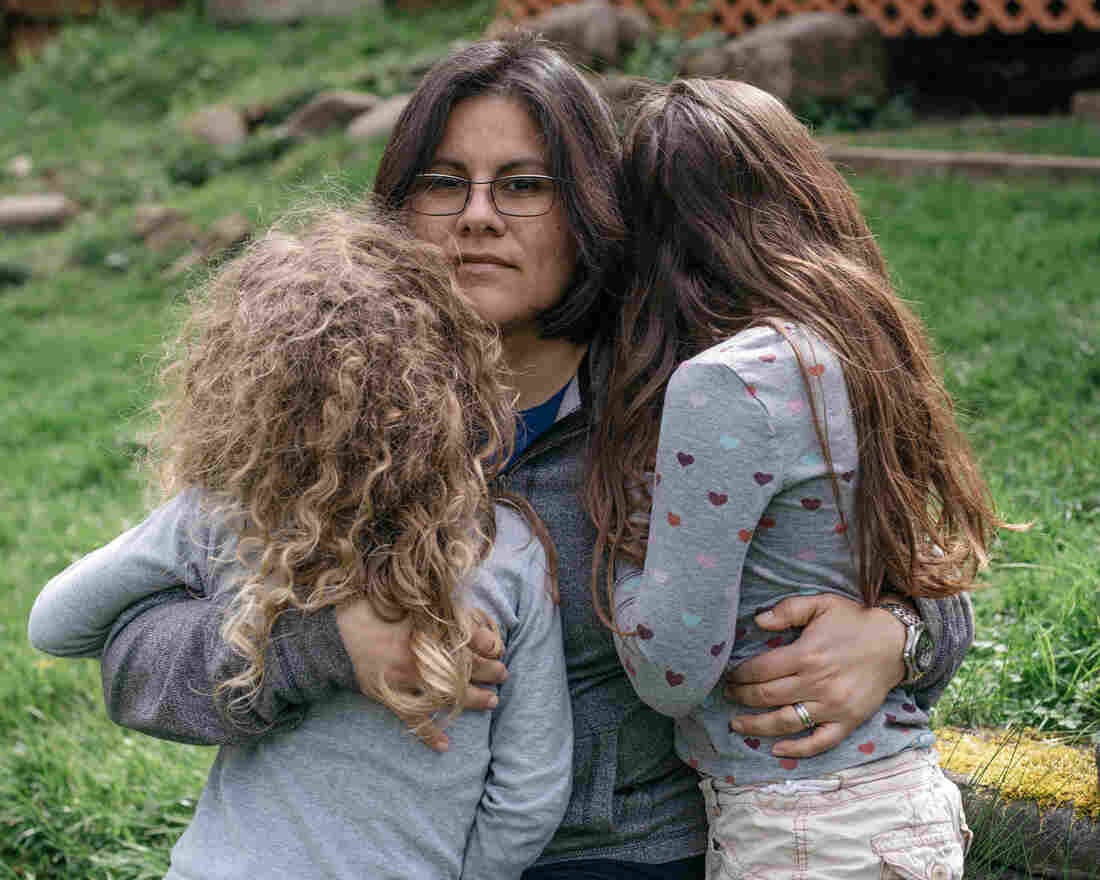
Inyan Pedersen, 34, with her son Knowledge. Doctors scheduled Pedersen to deliver her two younger children by C-sections because the closest birthing center is two hours away.

Cody Pedersen and his wife, Inyan, know that in an emergency they will have to wait for help to arrive.

Cody, 29, and his family live in Cherry Creek, a Native American settlement within the Cheyenne River Indian Reservation in north central South Dakota.

The reservation is bigger than Delaware and Rhode Island combined. But Cherry Creek has no general store, no gas station and few jobs.

When Inyan, 34, was preparing to give birth to her two youngest children, doctors scheduled her to have cesarean sections in a hospital rather than having her wait until she was in labor to come in.

Misha Friedman for KHN and NPR

In January, Cody was stabbed in the neck. It took an ambulance two hours to arrive.

A 17-mile gravel road in Cherry Creek connects to a better road that eventually leads to Eagle Butte, the largest town on the reservation and home to just over 1,300 people. That’s where the closest doctors are.

When Cody runs out of gas money, he has to pay $40 to a neighbor to take him to the health center in Eagle Butte. But he can’t do that before lucking out and securing an appointment, calling at 7 a.m. on the day he wants to see a doctor.

Clinics like the one Cody goes to don’t allow patients to schedule appointments in advance.

There’s a clinic in Cherry Creek, but it has been closed for weeks. Their 11-year-old daughter Makrista missed school for two weeks because they couldn’t get a doctor’s note to vouch that her head lice had gone away.

Before the 1950s, most Native Americans lived in reservations or near them. Then, with support from the federal government, many started moving to large cities, looking for employment opportunities and better education. Today, more than half of Native Americans live in urban areas.

The federal government is obligated by law to provide medical care to American Indians and Alaska Natives, and it does so through the Indian Health Service, an agency of the Department of Health and Human Services. There are also tribal-run health centers set up on reservations. And 20 states have Urban Indian Health Programs, which receive IHS funding to provide medical services and support to American Indians who don’t live on reservations.

But there are still significant gaps in care, both on the reservation and in town. The IHS is chronically underfunded. It receives a set amount of money each year to take care of 2.2 million native people — no matter how much care they may need. On the reservation, IHS facilities often don’t have services that people elsewhere expect, such as emergency departments or MRI machines. And those limited facilities can be hours away by car. In town, reaching care is easier, but clinics also don’t have enough funding to meet all of the health needs of the community. And people can’t get the free medication they are entitled to through the IHS anywhere but an IHS facility.

Donna Keeler is executive director at South Dakota Urban Indian Health, which has been providing health services to the American Indian population since 1977. Keeler says her clinics in Sioux Falls and Pierre receive federal grants, but that a federal prisoner has more health care funding allocated for his care than an urban American Indian does.

In 2013, Indian Health Service spending for patient health services was $2,849 a person, compared with $7,717 for health care spending nationally, according to a report from the National Congress of American Indians. That despite the fact that Native Americans typically have more serious health problems than the general public, including higher rates of diabetes, liver disease and unintentional injuries.

Keeler says most of her clients are the poorest of the poor. In other states, American Indians with low incomes can sign up for expanded Medicaid. But South Dakota lawmakers haven’t expanded Medicaid coverage to low-income adults, leaving thousands of people, most of them urban, poor American Indians, without health coverage.

Gov. Dennis Daugaard, a Republican, has left the door open to a special legislative session this year in which lawmakers could consider a Medicaid expansion proposal, but consideration of such a proposal isn’t guaranteed. If South Dakota did expand Medicaid, it would give clinics like the one Keeler runs additional funding, since the Medicaid reimbursement rates are higher than what IHS provides.

Still, even without Medicaid expansion, the Urban Indian Health clinic is an improvement for patients like Joe Marrowbone, Cody Pedersen’s brother. Marrowbone moved out of Cherry Creek and off the reservation partially to get out of the cycle of poverty prevalent there, he says. It was an added bonus that access to health care for his family dramatically improved.

Marrowbone works as a janitor at a religious school in Sioux Falls. The Sioux Falls Urban Indian Health clinic is much closer to his home than it would be if he lived in Cherry Creek, and there’s also the option of getting care at a local hospital. As a result, the family rarely has to wait long. Instead of worrying about where his health care is coming from, Marrowbone can focus on a new goal: trying to adopt his niece, Savannah, after her mother died.

Access and lack of funding are just two problems with Native Americans in South Dakota. Difficulties coordinating patient records also hamper their care.

Jami Larson, a resident nurse at Urban Indian Health Programs in Pierre, is frustrated that none of the systems with the Indian Health Service, tribal-run clinics or the Urban Indian Health Programs share patient data with each other. Each clinic has its own records, and patients who don’t keep up with their own records often have to repeat immunizations or lab work.

For Larson, herself an American Indian, the year and a half that she’s spent as a nurse at the clinic in Pierre has allowed her to develop deep relationships with her patients.

She says that care for them would improve if the clinics, hospitals and doctors serving American Indians worked together. For now, Larson is leaving her own mark the best she can: On many days, you can find her visiting patients to make sure they’re on track, or going food shopping with some to help them get food that will keep them as healthy as possible.

This story and the related photo essay were produced through a collaboration between Kaiser Health News and NPR.

Photographer Misha Friedman says he tries “looking beyond the facts, searching for causes, and asking complex and difficult questions.” His work has been featured by many media organizations, including NPR, The New Yorker, Sports Illustrated, Der Spiegel and GQ.

Kaiser’s Andrew Villegas contributed to this report.
Let’s block ads! (Why?)

Political Gridlock Blocks Missouri Database For Fighting Drug Abuse

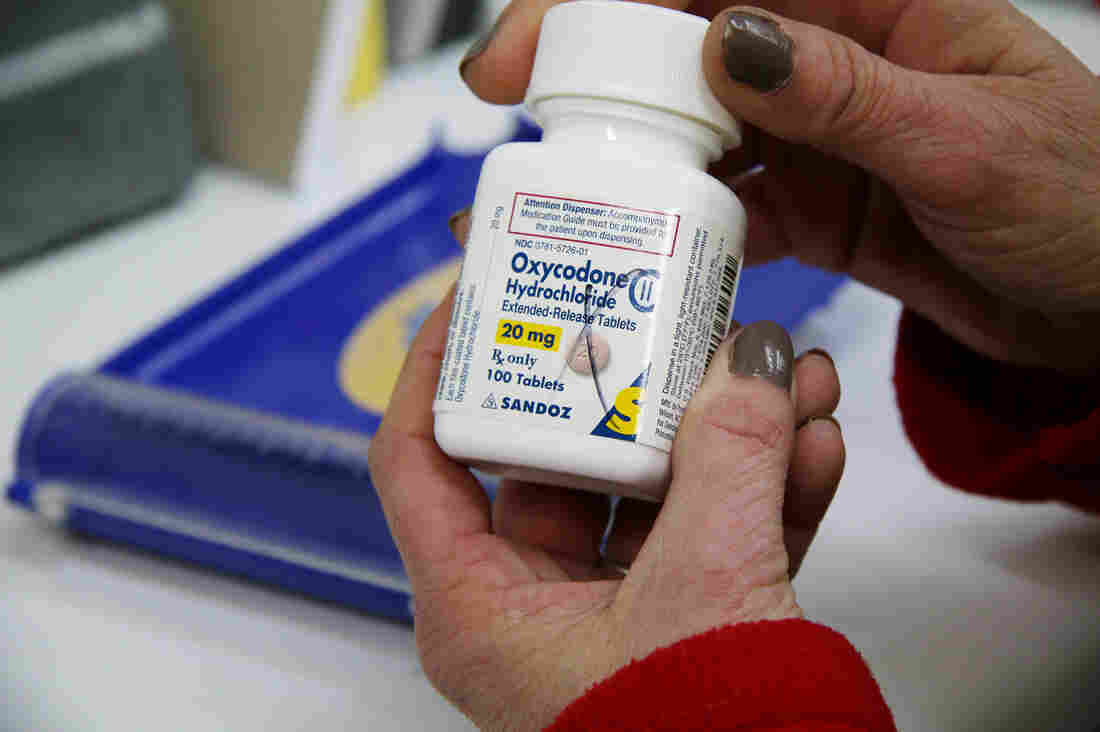
Michelle Pattengill, a technician at L&S Pharmacy in Charleston, Mo., holds a bottle of oxycodone.

Michelle Pattengill, a technician at L&S Pharmacy in Charleston, Mo., holds a bottle of oxycodone. Bram Sable-Smith/Side Effects Public Media/KBIA hide caption

toggle caption Bram Sable-Smith/Side Effects Public Media/KBIA

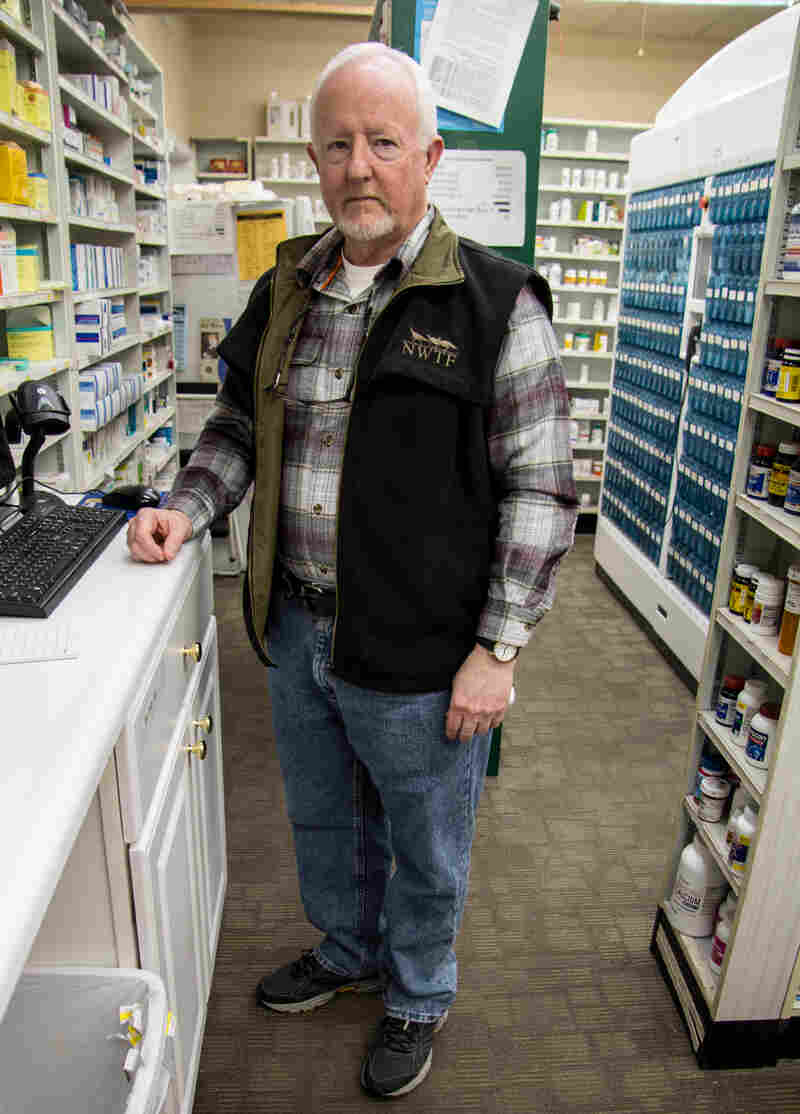
At Richard Logan’s pharmacy in Charleston, Mo., prescription opioid painkillers are locked away in a cabinet.

Missouri law requires pharmacies to keep schedule II controlled substances —drugs like oxycodone and fentanyl with a high addiction potential — locked up at all times.

Logan goes further than the law requires.

He’s been a pharmacist for 40 years. For the last 20, he has also been a reserve deputy with two local sheriff’s departments, investigating prescription drug abuse. That puts him on edge in his day job.

At Richard Logan's pharmacy in Charleston, Mo., prescription opioid painkillers are locked in a cabinet. For 20 years, he's also been a reserve deputy with two local sheriff's departments, investigating prescription drug abuse.

At Richard Logan’s pharmacy in Charleston, Mo., prescription opioid painkillers are locked in a cabinet. For 20 years, he’s also been a reserve deputy with two local sheriff’s departments, investigating prescription drug abuse. Bram Sable-Smith/Side Effects Public Media/KBIA hide caption

toggle caption Bram Sable-Smith/Side Effects Public Media/KBIA

After his technicians count out a prescription for controlled narcotics by hand, Logan has them place the pills on a machine that resembles an overhead projector lit from the top instead of the bottom.

“There’s a camera up there,” Logan says. “It actually photographs each pill that we dispense.”

When he has probable cause to suspect that a customer is trying to get opioids with a forged or fraudulent prescription, Logan will arrest them on the spot. When he only has a strong hunch and they’re from out-of-state, he’ll escort them out of the pharmacy and direct them to the nearest bridge out of Missouri, about nine miles away.

These run-ins with drug-seekers make Logan anxious to see the state enact a prescription drug monitoring program. A PDMP would be a statewide database tracking narcotics prescriptions, which doctors and pharmacists can check to catch signs of abuse or addiction and to intervene if necessary.

In the battle against America’s surging opioid drug addiction, 49 states, the District of Columbia and even Guam have all implemented some kind of PMDP. Missouri is the only state that hasn’t. A protracted political battle has kept the state from passing a law to establish one. That leaves pharmacists like Logan with few options.

He can only check the prescription history of patients on Medicaid, which tracks such data. But when a patient pays cash — a red flag for Logan — there is no record to check leaving pharmacists to guess whether the patient is in genuine pain, feeding an addiction or maybe looking for pills to sell.

“We want to take the best care of everybody that we can, and without a PDMP we are absolutely flying blind,” he says.

State Rep. Holly Rehder has championed establishing a prescription drug database since joining the legislature in 2013. Several members of her family have had addiction issues.

State Rep. Holly Rehder has championed establishing a prescription drug database since joining the legislature in 2013. Several members of her family have had addiction issues. Bram Sable-Smith/Side Effects Public Media/KBIA hide caption

toggle caption Bram Sable-Smith/Side Effects Public Media/KBIA

Restrictions Versus Privacy

State Rep. Holly Rehder, whose district includes Charleston, has championed establishing a database ever since joining the legislature in 2013.

“I’ve been working on this since my feet hit the floor,” she says.

It’s an issue close to her heart. Her cousin died of a drug overdose. Her mother was addicted to prescription medications. Her sister used heroin. And for 13 years, her own daughter has struggled with drug abuse — an addiction that began with a legal prescription for Lorcet.

“I’m very candid about it,” Rehder says. “I don’t believe God gave me a microphone to keep my mouth shut.”

She cites these databases’ success in limiting drug abuse in other states. They make it harder for pill-seekers to “doctor shop,” meaning go from doctor to doctor getting multiple, simultaneous prescriptions for the same drug.

One year after New York required its prescribers to check the state’s PDMP before writing a prescription, for example, doctor shopping dropped by an estimated 75 percent.

Doctors surveyed in many states, including Connecticut and Rhode Island, say prescription drug monitoring programs have helped them identify opioid drug abuse and intervene with patients who need help. Those are reasons the federal government strongly recommends the databases.

For the third straight year, Rehder’s bill has passed the Missouri House and moved on to the Senate. There, each year, it’s been blocked by her main opponent on this issue, Sen. Rob Schaaf, a fellow Republican.

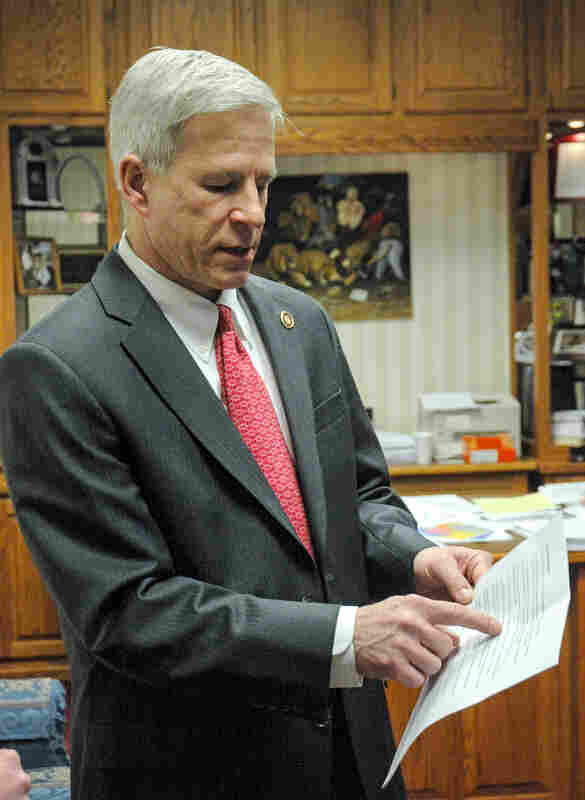
State Sen. Rob Schaaf points to evidence in support of his opposition to the database bill in his office at the Missouri State Capitol. He said the bill interfered with the right to medical privacy.

State Sen. Rob Schaaf points to evidence in support of his opposition to the database bill in his office at the Missouri State Capitol. He said the bill interfered with the right to medical privacy. Jiselle Macalaguin/KOMU/ Flickr hide caption

toggle caption Jiselle Macalaguin/KOMU/ Flickr

“It’s just the heavy hand of government taking away your liberty,” he says. In 2012, before Rehder joined the legislature, Schaaf led an eight-hour filibuster of PDMP legislation, an act that has loomed over subsequent attempts to pass a similar bill. This year Schaaf has called the bill “dead on arrival.”

The bill is currently in committee where a hearing on it has yet to be scheduled—and it likely won’t be taken up by the full senate before the legislative session ends May 13.

Schaaf is a physician by training. To some, that background makes him a surprising opponent to prescription drug monitoring, which is supported by the Missouri Academy of Family Physicians, the Missouri American College of Physicians and the Missouri State Medical Association, among others.

He argues that drug monitoring may inhibit doctors from prescribing medications that patients really need. His main objection, though, is about privacy.

“The monitoring program would put every citizen’s private drug information on a government database accessible to 30,000 people with usernames and passwords,” he says. “That’s just an outrage.”

Rehder doesn’t buy that argument. The database is electronic medical information, she says, so it would be protected by the same privacy laws protecting all electronic medical records. “It’s not like anyone can go on a phishing expedition in this data.”

“There is no data that is secure,” Schaaf counters, citing hacks against the IRS and the Department of Veteran Affairs, and even Hillary Clinton’s email imbroglio.

Rehder argues that 49 other states have faced these same questions about security and Missouri would be able to follow the best practices they’ve developed.

Schaaf says he isn’t entirely opposed to prescription drug monitoring. He says he would allow Rehder’s bill to pass the Senate if it included a provision that final approval for the database would be put before the voters — a test he doubts the bill could pass.

For the past three years, he has proposed his own monitoring legislation that would limit access to the database to Missouri’s Bureau of Narcotics and Dangerous Drugs, which would then communicate concerns to providers.

Rehder says she can’t support his bill because it would be cumbersome and impractical to implement, and that it’s doctors who should be making decisions with the data.

“Missouri is the only state that doesn’t have this. It’s very shameful,” Rehder says. “It’s hurting our population so much.”

In March, St. Louis County, which has one of the state’s highest drug overdose death rates, passed its own PDMP. Other counties have signaled they would consider doing the same.

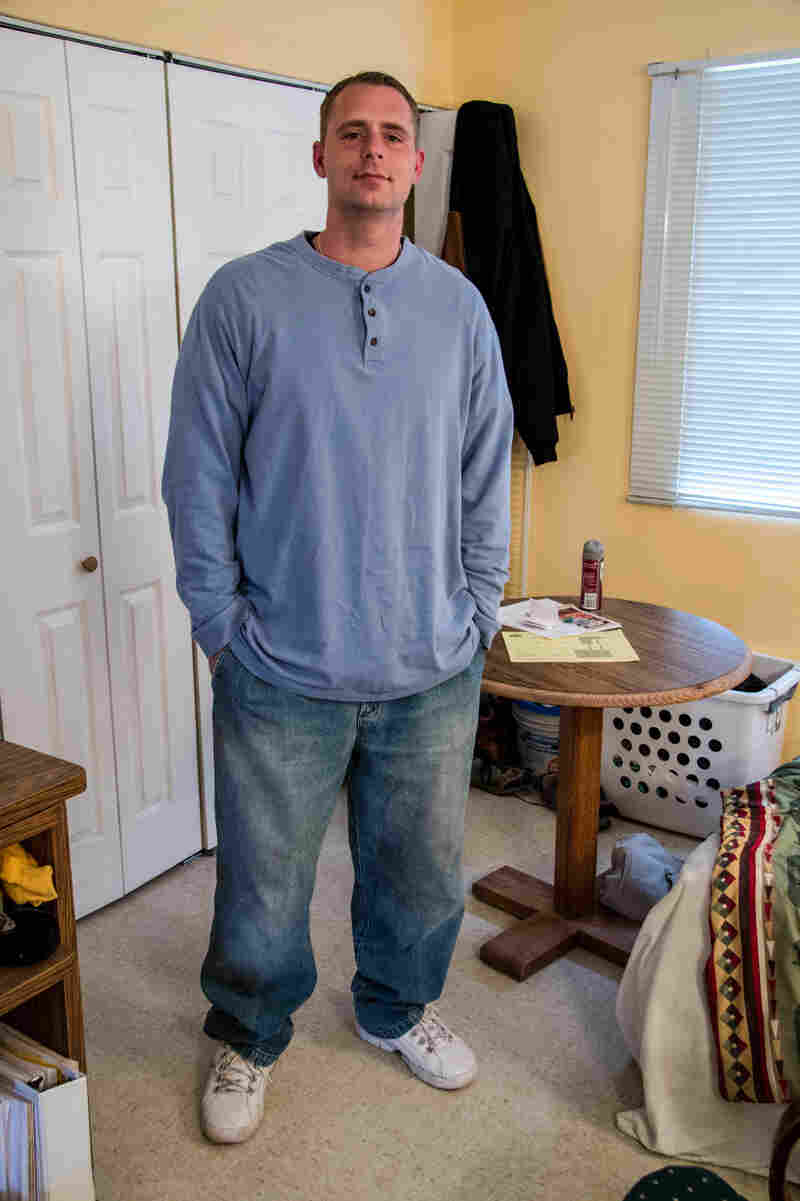
Jason Lynch has battled opioid use for 22 years, feeding his addiction with pills prescribed to him by doctors. Getting the pills "should have been a lot harder," he says.

Jason Lynch has battled opioid use for 22 years, feeding his addiction with pills prescribed to him by doctors. Getting the pills “should have been a lot harder,” he says. Bram Sable-Smith/Side Effects Public Media/KBIA hide caption

toggle caption Bram Sable-Smith/Side Effects Public Media/KBIA

Rehder says this is better than nothing, though she prefers a statewide database over a patchwork of county systems.

“We have got to start realizing that this isn’t something we can close our eyes and turn our heads to because it’s not going to affect us. It’s affecting us,” she says. “Our families are being torn apart, lives are being destroyed.”

Twenty miles down the road from Logan’s pharmacy and also in Rehder’s district, 33-year-old Jason Lynch is close to completing a 120-day stay at Mission Missouri, an addiction treatment facility.

Lynch was given his first prescription painkiller by an older student on the school bus when he was just 11 years old.

“I think right from the get-go I was hooked because the next day I was trying to get some extra lunch money to buy some more,” Lynch says.

He’s battled opioid use for 22 years, feeding his addiction with pills prescribed to him by doctors. “I would research [symptoms] on the Internet and say, ‘This is what’s going on with my back.’ “

Usually, Lynch says, the doctor would write him a prescription.

“It’s nobody’s fault but my own,” Lynch says of his addiction, but, he adds, getting the pills “should have been a lot harder.”

“You just think about what if those drugs weren’t so available to him,” Rehder says. “How could his life have been different?”

This story is part of a reporting partnership with NPR, Side Effects Public Media, KBIA and Kaiser Health News.

Let’s block ads! (Why?)

Even With Insurance Parity Rules, Counseling May Count As Specialty Care

Trina Dalziel/Getty Images/Illustration Works

Trina Dalziel/Getty Images/Illustration Works

When it comes to insurance coverage for mental health counseling and infertility, how much can people expect? And what would happen to someone who gets a tax credit for buying a marketplace plan if a state expands its Medicaid program during the year? Here are the answers.

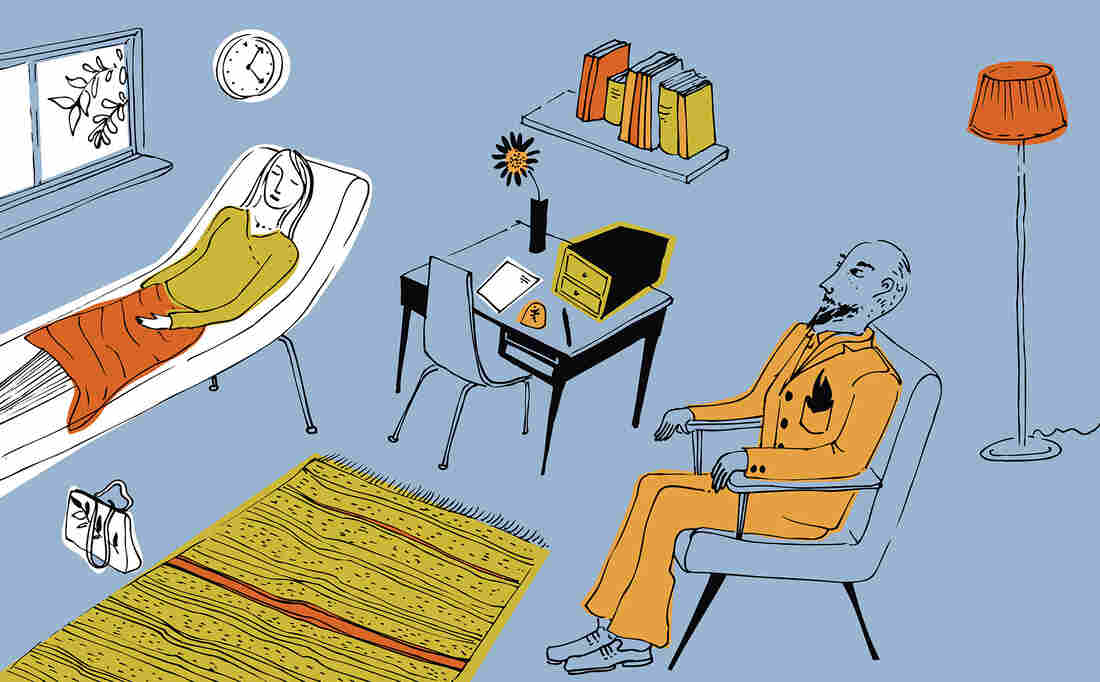
My son requires regular counseling from a psychologist to treat his attention deficit hyperactivity disorder. These are treated as medical specialty visits rather than general medical appointments in terms of copay requirements. Why does this coverage difference exist and is it consistent with the federal requirement that there be parity between medical and behavioral health coverage?

The Mental Health Parity and Addiction Equity Act of 2008 requires most health plans to provide mental health and substance abuse treatment benefits that are at least as generous as the plan’s benefits for medical and surgical care.

There’s no rule of thumb. A health plan may charge a higher copayment in some circumstances under parity rules, said Alan Nessman, senior special counsel for legal and regulatory affairs at the American Psychological Association Practice Organization.

It’s called the two-thirds test. In general, a plan can’t charge a higher copayment for mental health services than it applies to two-thirds of medical/surgical services. So, for example, if a health plan applies a $50 copayment to outpatient medical/surgical services by in-network providers at least two-thirds of the time, an insurer can charge a $50 copayment for all outpatient mental health services that are provided in network as well.

I have gone to a reproductive endocrinologist in hopes of having a child after an unsuccessful voluntary sterilization in 2010. My insurer is denying coverage for treatment, even though my state, New Jersey, has an infertility coverage mandate. My insurer covered the initial testing, medications and visits. Why am I running into walls on this?

There could be any number of reasons, said Barbara Collura, president and CEO of Resolve, an advocacy organization for people with infertility problems. There’s no standard benefit design for infertility coverage. Some plans may deny services to people who were sterilized, even if the procedure was unsuccessful or has been reversed. Or an insurer may deny benefits because of a previous in vitro fertilization attempt, even if it was with a different insurer. The list goes on.

“We see a large number of denials that perplex the beneficiary, the provider, and maybe even the employer,” Collura said.

New Jersey is one of more than a dozen states that mandate infertility coverage. But the mandate doesn’t apply to employers with 50 or fewer employees and most companies that self-insure, meaning they pay their employees’ medical claims directly rather than purchasing insurance for that purpose. In addition, under the New Jersey law, people who’ve been voluntarily sterilized don’t meet the definition of infertile, according to Marshall McKnight, a spokesman for the New Jersey Department of Banking and Insurance.

Your best course of action is to appeal your insurer’s denial, Collura said.

“I’m shocked and amazed at how often people get a denial letter, and then they file an appeal and it gets approved,” she said. “It works.”

If a state is expanding its Medicaid program in the middle of the year, does a marketplace plan customer with an income of 100 to 138 percent of the federal poverty level who is getting a premium tax credit have to switch to Medicaid? (It may be more expensive for someone who has already reached his out-of-pocket maximum for the year in the marketplace plan.)

Thirty-one states and the District of Columbia have expanded Medicaid to cover adults with incomes up to 138 percent of the federal poverty level (about $16,000 for one person). Some expansion states have imposed Medicaid premiums that are pegged to 2 percent of income as well as copayments.

If you were in a marketplace plan and you had reached your spending limit for the year, you wouldn’t owe anything out of pocket in that plan for the rest of the year. So, hypothetically, if your state imposes premium contributions and copays, it could cost more to switch to Medicaid midyear, said Judith Solomon, vice president for health policy at the Center on Budget and Policy Priorities. At this time, it looks as if Louisiana is on track to expand Medicaid this summer, she said.

In any case, even if a state decided to expand Medicaid this year, you wouldn’t generally be forced to switch midway through the year, Solomon said.

When you applied for coverage, if the marketplace determined that you were eligible for a marketplace plan and premium tax credits, that’s essentially a decision that you weren’t eligible for Medicaid, Solomon said, and “that decision can hold for the year.”

Kaiser Health News is an editorially independent news service that is part of the nonpartisan Henry J. Kaiser Family Foundation. Michelle Andrews is on Twitter:@mandrews110.

Let’s block ads! (Why?)

New Jersey Student Uses 3-D Printer For DIY Dental Work

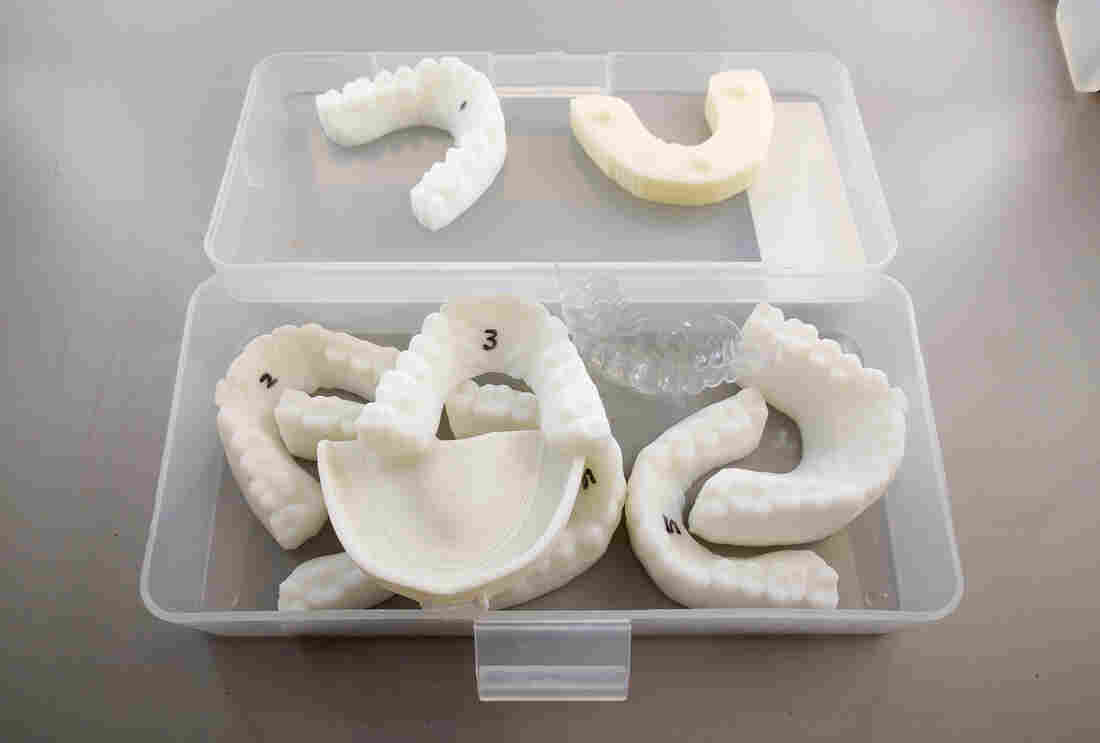
A box of 3-D models 24-year-old student Amos Dudley made of his teeth. The model labeled "3" rests on a 3-D-printed tray Dudley made to make impressions of his teeth with a putty-like material. Also in the box are a clear plastic aligner and other 3-D models used to make more aligners, each one pushing the problematic teeth further into place.

A box of 3-D models 24-year-old student Amos Dudley made of his teeth. The model labeled “3” rests on a 3-D-printed tray Dudley made to make impressions of his teeth with a putty-like material. Also in the box are a clear plastic aligner and other 3-D models used to make more aligners, each one pushing the problematic teeth further into place. Jon Kalish for NPR hide caption

toggle caption Jon Kalish for NPR

A college student in New Jersey tired of his crooked teeth decided to fix them — all by himself, using a 3-D printer and other digital fabrication tools.

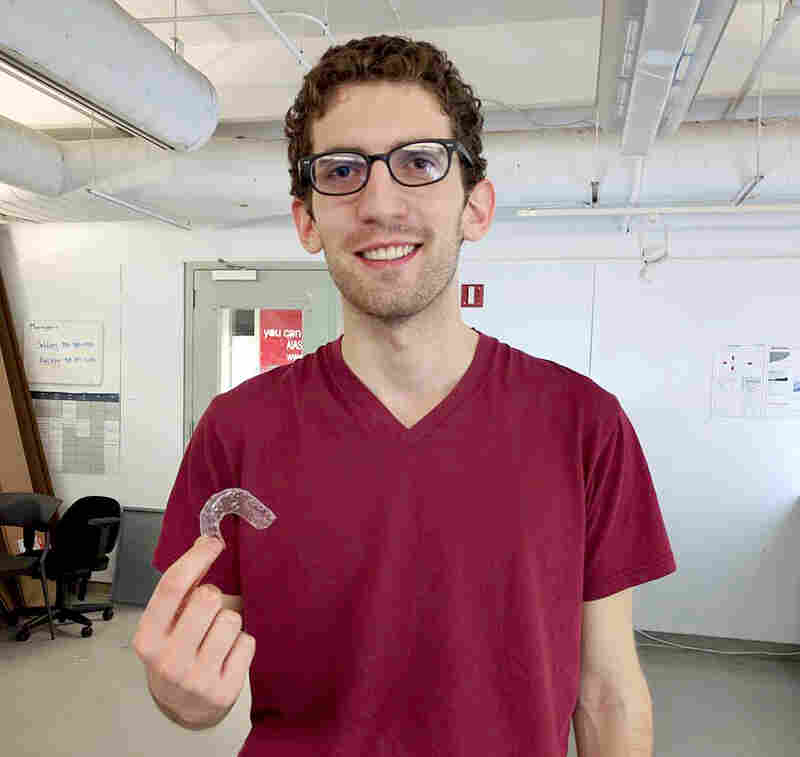
Amos Dudley is about to graduate from the New Jersey Institute of Technology with a degree in digital design. The 24-year-old is a self-described hard core geek with a passion for 3-D printing. So it was this technology he turned to when he decided he wanted to straighten his teeth.

Dudley had the idea to make a series of dental devices known as aligners using one of the 3-D printers at the college. After consulting a couple of orthodontics texts, he got started. First he took some old school impressions of his teeth with a putty-like material he bought online.

“I pretty much read the instructions on the back of the bag,” he recalls.

Dudley used a 3-D printer to create dental aligners to straighten his crooked teeth.

Dudley used a 3-D printer to create dental aligners to straighten his crooked teeth. Jon Kalish for NPR hide caption

toggle caption Jon Kalish for NPR

Then he got seriously high-tech. Dudley used a laser scanner to turn the plaster model he’d made into a digital replica. He used 3-D modeling software and mathematical calculations to figure out how to move his problematic teeth into place. Finally, he made a dozen aligners by melting thin sheets of plastic over the 3-D models of his teeth.

“I basically would wear them between one and three weeks each,” he says. “I sort of knew to stop wearing a retainer when they no longer felt like they were exerting pressure on my teeth.”

How do orthodontists feel about this?

Dr. Richard Bloomstein, a professor of orthodontics at the Rutgers School of Dental Medicine, says he was both shocked and impressed.

“Did it work as well as an orthodontist might have done it?” he says. “Maybe.”

But Bloomstein says the outcome of this amateur orthodontics might’ve been different if there was decay or bone disease near the teeth Dudley was manipulating,

“Certain things are not a bargain, even if they’re cheaper,” he says. “I would not look for bargains in parachutes. Likewise, bargains in health care.”

But traditional orthodontic care is expensive — often thousands of dollars — one reason online services that offer budget dental aligners and don’t require office visits seem to be gaining popularity. Patients need only to send in impressions and smartphone photos of their teeth.

Dudley didn’t realize he tapped into a market, but he’s pretty happy with the way things have turned out.

“I had no idea if this was going to work. It probably only worked in large part because of luck and good initial conditions,” he says. “But if there’s an idea you have, you just have to try it out. I mean, I had the idea and I went with it, so the outcome was sort of the best I could hope for I guess.”

Dudley says he’s received hundreds of request to make dental aligners and one suggestion from an orthodontist that they go into business together. But he says he has no interest in any of that.

Instead, he’s going to work for a 3-D printer manufacturer. The company offered him a job after hearing of his dental handiwork.

Let’s block ads! (Why?)

Medicare Seeks Savings And Innovation With A Switch In Doctors' Pay

The Obama administration is recruiting as many as 20,000 primary care doctors for an initiative it hopes will change the way physicians get paid and provide care.

The program, which was announced Monday, will be run by the Centers for Medicare and Medicaid Services. The aim is to stop paying doctors based on the number of billable services and visits provided to Medicare beneficiaries and instead to tie payments to overall patient health and outcomes.

“We think there will be a high level of interest across states and regions among primary care providers,” said Dr. Patrick Conway, the chief medical officer at CMS. “The model aligns with how doctors and patients want to practice medicine.”

Under the five-year project, CMS will recruit primary care doctors into two separate payment tracks. Both will include a monthly payment to doctors for each Medicare beneficiary, but the amounts will vary.

The fee for doctors in the first track will average $15 a beneficiary; the physicians will also still be paid for each service they provide. The fee for the second track will average $28; doctors will receive lower fees than those in the first track for each service. (In both tracks, the monthly payments will be higher for patients with more complex health problems.)

The idea is that doctor groups will use the payments that aren’t tied to specific services to develop different ways to provide care, including telephone and video consultations. They might also use care managers to help patients with their medications and chronic illnesses.

The payment change “really allows them to move away from a visit-based, fee-for-service structure,” Conway said on a conference call with reporters.

Doctors who want to participate in the program have to commit to offering patients preventive care, support for chronic illnesses and 24-hour access to health care and health information.

Conway says CMS expects the second track, with lower fees for itemized services, to save Medicare about $2 billion over five years.

The project is based on a pilot program set up under the Affordable Care Act to test new ways to deliver and to pay for health care. The goals are to improving care and cut costs.

Fee-for-service systems encourage too much medical intervention, says Robert Berenson, a fellow at the Urban Institute who has written about medical payment systems. But, he adds, programs that only pay a flat fee for care and result in physicians or hospitals cutting back too much.

“This is an attempt to balance paying for visits at a reasonable rate and then reimbursing substantially for all the other activities that are necessary to provide care,” he says, such as phone calls and coordinating with other doctors.

The CMS program is similar to successful health care payment systems in Denmark and the Netherlands that combine fees for itemized services and flat fees per patient.

Berenson says, however, that CMS’s goal of including 20,000 doctors may be too high. CMS would be better off working out the glitches in the approach with a smaller number of physician practices before rolling it out more widely.

Let’s block ads! (Why?)

Go To The Tape: A Cheap, Easy Way To Prevent Blisters

The researchers were inspired by working with ultramarathoners, who can be sidelined by blisters despite years of training. These runners competed in the 2007 Badwater Ultramarathon in Death Valley, Calif.

The researchers were inspired by working with ultramarathoners, who can be sidelined by blisters despite years of training. These runners competed in the 2007 Badwater Ultramarathon in Death Valley, Calif. Chris Carlson/AP hide caption

toggle caption Chris Carlson/AP

Blisters are the bane of weekend hikers and Olympic marathoners alike. Stanford researchers say they’ve found a simple, cheap method to help prevent them.

That humble hero is paper surgical tape, which often costs less than a dollar and is sold at most any pharmacy.

Their study, published Monday in the Clinical Journal of Sports Medicine, found that the paper tape reduced the instance of blisters by 40 percent.

Lead author Grant Lipman, an emergency medicine doctor at Stanford Health Care, says he was inspired by years of treating ultramarathoners.

“I started noticing just how trashed people’s feet will become. And over 10 years of races, you just see these amazing athletes who have trained for years and spent all this money and they keep telling me the same thing — ‘Doc, I feel great, it’s just my feet.’ And they’d be dropping out, they’d be hurt,” Lipman says.

He says that decades of studies on blister prevention have failed to come up with an effective, low-cost solution. But anecdotal evidence suggested paper tape might work, so the team enlisted 128 ultramarathoners for a trial.

Those runners were all participating in RacingThePlanet, a 155-mile, six-stage ultramarathon held in the Jordan, Gobi, Madagascar and Atacama deserts in 2014.

On each runner, the researchers randomly selected a foot. They then asked the runner if that foot had any blister-prone areas. If it did, that part was taped; if not, they taped a randomly selected area.

“Then, we would compare on that just one foot their most sensitive area versus the rest of the foot. And we did that so we could directly see, could this tape prevent a blister directly under the tape?” Lipman says. “We really wanted to nail down the efficacy of the intervention.”

According to the study, 98 of the 128 runners did not develop blisters under the tape. At the same time, 81 of the 128 got blisters in untaped areas.

So why does this work so well?

“The paper tape itself is very thin and it’s very smooth. We theorized that because it’s so smooth, it deceases friction and rubbing and shear stress on those sensitive areas just underneath the tape,” Lipman says. He adds: “It’s thatshear stress within the cell layers that causes separation of the cells and blister formation.”

The paper tape also has a low adhesive quality, so when it does come off, it’s less likely tear the skin and leave an open wound, he says.

Much previous research has been conducted seeking to prevent the “enemy of the feet,” Lipman adds, but nobody had looked at paper tape specifically until now.

A study published in 1998 tried applying antiperspirant to the feet of military cadets to prevent blisters. The researchers found this to reduce blister formation, but with an unintended consequence — 57 percent of the cadets using the antiperspirant method reported skin irritation.

Of course, there’s a huge array of other products designed to prevent blisters. One study found that a product called Blist-O-Ban reduced their formation, Lipman says — but it’s many times more expensive than paper tape.

Lipman says he hopes this research will help more people to reach their finish lines free of debilitating blisters.

Let’s block ads! (Why?)

Parent Support May Help Transgender Children's Mental Health

Sophie plays in her backyard in Bellingham, Wash. Her mother says she started objecting to being identified as a boy around age 2.

Sophie plays in her backyard in Bellingham, Wash. Her mother says she started objecting to being identified as a boy around age 2. Ian C. Bates for NPR hide caption

toggle caption Ian C. Bates for NPR

Six-year-old Sophie says she has always known she’s a girl. “I used to be Yoshi,” she says. “But I didn’t like being called Yoshi.” And she didn’t like being called a boy.

Sophie lives with her family in Bellingham, Wash. Her mother, Jena Lopez, says she started seeing the signs before Sophie turned 2.

“She’d say things like, ‘I’m a she, not a he,’ ” Lopez says. “She would cry if we misgendered her. She’d become angry.”

Sophie’s parents didn’t know what to do. They didn’t know if this was just a phase, and they knew the statistics for transgender people are grim. Nearly all the research into transgender mental health shows poorer outcomes. Attempted suicide rates are nine times higher than for people overall, and rates of depression and anxiety are higher, too. But Sophie convinced them. “I proved it,” she says.

There’s very little data on children who have fully socially transitioned, says Kristina Olson, an associate professor of psychology at the University of Washington. Olson got interested in the subject when a friend’s 10-year-old was transitioning from male to female. Olson knew attitudes about transgender people were changing, both in society and in science.

“Forty years ago everyone considered this to be a pathology,” Olson says. It was considered a “gender identity disorder” until 2013, when it was changed to “gender dysphoria” in the fifth addition of the DSM, the diagnostic manual for mental health.

Olson says a lot of research still works under this assumption and is based on children in clinical settings where they’ve often been brought to be treated.

Sophie says she likes being a kid and "that I get to be Sophie."

Sophie says she likes being a kid and “that I get to be Sophie.” Ian C. Bates for NPR hide caption

toggle caption Ian C. Bates for NPR

“So I had no idea, based on the literature, what impact my friend’s decision would have on her child’s life,” Olson says.

That’s especially important, since what research there is paints such a bleak picture. But it’s not clear what’s the cause of mental distress for transgender people. It could be due to internal factors, such as gender dysphoria, the tension resulting from having a gender identity that differs from the one assigned at birth. Or it could be due to external factors, such as discrimination and lack of support. As Tara Haelle reported last month in Shots, researchers are just starting to try to figure that out.

So Olson decided to do her own study looking at families who are supporting their child’s decision to live as a gender different from their biological sex. The study, published in the March issue of Pediatrics, looked at the mental health of 73 transgender children between ages 3 and 12. What it found was strikingly different from other research.

“They had exactly the national average for depression,” says Olson. “They are no more or less depressed. They show a marginal, like, a tiny bit of an increase in anxiety, but nowhere near the rates that previous work has found.”

The study can’t make a direct connection between the healthier outcomes and parental support, but Olson says it shows that the struggles that have been reported by people who transition aren’t inevitable. Olson plans to follow the children to see what happens as they grow older. Adolescence is a time when many mental health problems emerge, and no one knows what will happen with these children over time.

There is a desperate need for research in this field, according to Dr. Aron Janssen, director of the gender and sexuality service at NYU’s Child Study Center. “It’s incredibly refreshing to have this little bit of good news, because I’ve seen in my work a lot of these kids with really positive outcomes. And their stories aren’t often the stories that are told,” Janssen says.

Jena Lopez with her daughters Sophie, left, and Nora. Research suggests that parental support is the key to good mental health in children who transition.

Jena Lopez with her daughters Sophie, left, and Nora. Research suggests that parental support is the key to good mental health in children who transition. Ian C. Bates for NPR hide caption

toggle caption Ian C. Bates for NPR

The more common stories are of transgender people who are not supported and face discrimination that can lead to problems at school and at work, as well as poverty and increased risk of substance abuse

The hope is that if Sophie’s gender identity is validated early on, she will be less vulnerable to mental health issues. Her mother says that rings true for her family. “She’s blossomed,” Lopez says.

Sophie says: “I like being a kid.” And she likes “that I get to be Sophie.”

Let’s block ads! (Why?)

Life Expectancy Study: It's Not Just What You Make, It's Where You Live

A woman jogs in Oakland, Calif., last February. Healthier lifestyles may be a reason why poor people live longer in some cities than others.

A woman jogs in Oakland, Calif., last February. Healthier lifestyles may be a reason why poor people live longer in some cities than others. Ben Margot/AP hide caption

toggle caption Ben Margot/AP

Poor people who reside in expensive, well-educated cities such as San Francisco tend to live longer than low-income people in less affluent places, according to a study of more than a billion Social Security and tax records.

The study, published in The Journal of the American Medical Association, bolsters what was already well known — the poor tend to have shorter lifespans than those with more money. But it also says that among low-income people, big disparities exist in life expectancy from place to place, said Raj Chetty, professor of economics at Stanford University.

“There are some places where the poor are doing quite well, gaining just as much in terms of life span as the rich, but there are other places where they’re actually going in the other direction, where the poor are living shorter lives today than they did in the past,” Chetty said, in an interview with NPR.

For example, low-income people in Birmingham, Ala., live about as long as the rich, but in Tampa, Fla., the poor have actually lost ground.

Chetty and his co-authors collected more than 1.4 billion records from the Social Security Administration and the Internal Revenue Service to try to measure the relationship between income and life expectancy.

“There are vast gaps in life expectancy between the richest and poorest Americans,” Chetty said. “Men in the top 1 percent distribution level live about 15 years longer than men in the bottom 1 percent on the income distribution in the United States.

“To give you a sense of the magnitude, men in the bottom 1 percent have life expectancy comparable to the average life expectancy in Pakistan or Sudan.”

And where lifespans are concerned the rich are getting richer.

Since 2001, life-expectancy has increased by 2.3 years for the wealthiest 5 percent of American men and by nearly 3 percent for similarly-situated women. Meanwhile, life expectancy has increased barely at all for the poorest 5 percent.

Among the study’s findings was that poor people in affluent cities such as San Francisco and New York tend to live longer than people of similar income levels in rust belt cities such as Detroit, he said.

What accounts for the disparity isn’t clear, Chetty says.

It may be that some cities such as San Francisco may be better at promoting healthier lifestyles, with smoking bans, for example, or perhaps people tend to adopt healthier habits if they live in a place where everyone else is doing it, he says.

The study suggests that the relationship between life expectancy and income is not iron-clad, and changes at the local level can make a big difference.

“What our study shows is that thinking about these issues of inequality and health and life expectancy at a local level is very fruitful, and thinking about policies that change health behaviors at a local level is likely to be important,” he says.

Chetty notes that the study has clear implications for Social Security and Medicare. The fact that poor people don’t live as long means they are paying into the system without getting the same benefits, a fact that needs to be considered in any discussion about raising the retirement age, he says.

The study was co-authored by Michael Stepner and Sarah Abraham of the Massachusetts Institute of Technology; Benjamin Scuderi, David Cutler and Augustin Bergeron of Harvard University; Shelby Lin of McKinsey and Co.; and Nicholas Turner of the U.S. Treasury Department’s Office of Tax Analysis.

Let’s block ads! (Why?)

When The Cost Of Care Triggers A Medical Deportation

Lorenzo Gritti for NPR

Lorenzo Gritti for NPR

In an emergency, hospitals, by law, must treat any patient in the U.S. until he or she is stabilized, regardless of the patient’s immigration status or ability to pay.

Yet, when it comes time for the hospitals to discharge these patients, the same standard doesn’t apply.

Though hospitals are legally obligated to find suitable places to discharge patients (for example, to their homes, rehabilitation facilities or nursing homes), their insurance status makes all the difference.

Several years ago I began caring for a man who’d been in our hospital for more than three months. He was in his 50s and had suffered a stroke. Half his body was paralyzed and he couldn’t swallow food. After weeks of intensive physical, occupational and speech therapy, he regained his abilities to eat, drink and walk with only minimal help. But he still wasn’t well enough to live on his own, prepare food or even get to the toilet by himself.

Ideally, we would have discharged him from the hospital to a rehabilitation facility so he could continue therapy and make more progress toward his prestroke state.

But our plan faced insurmountable barriers. First off, the patient was an immigrant who had entered the country illegally. Second, he didn’t have insurance.

Because he lacked health coverage, no other facility would accept him. His immigration status meant that we couldn’t find an outside charity that would cover the costs of his care or pay for insurance.

Our comparatively expensive acute care hospital was therefore compelled to hold him — with the meter running. After another month, it began to seem that he’d become a permanent resident of our hospital ward.

“Could he go back to Mexico?” our case manager asked.

We were startled. No one on my team had ever experienced a situation like this, so we began researching the possibility. As it turned out, it’s a murky legal and ethical area that drew some public attention after an expose in The New York Times in 2008.

Nevertheless, our hospital faced a real financial burden, and the case manager pressed on. After reaching the patient’s family in Mexico, and discussing issues with the Mexican consulate, the case manager began making travel arrangements to a rehabilitation hospital in Mexico.

Medical air transport to another country is an expensive proposition — roughly $50,000, depending on the equipment needed and the distance to the receiving facility in the patient’s home nation.

From the hospital’s point of view, it was easy to see that this large one-time expense would be worthwhile. The transfer to Mexico would put a stop to the indefinite, uncompensated costs of continued hospitalization. Further, the transfer would open up the patient’s bed to a new (and presumably insured) patient.

After several meetings between our medical team, case management services, and a hospital administrator, I reluctantly agreed to sign off on the transfer.

Though the discharge plan left me feeling uncertain, I became more comfortable with the idea because our patient had the capacity to make his own decisions. He consented to return home to Mexico because it was clear that he was no longer physically able to work, and his family was also on board with the plan to help him.

A few weeks later the transfer was completed. The last I heard about the man, he had successfully arrived at the rehabilitation hospital near his hometown in Mexico.

I hadn’t thought of this case for years until the combination of a recent Shots piece about dialysis and the heated rhetoric of the election season about immigration caused the memory to bubble back up into my consciousness.

Reflecting on the man’s case, I began to wonder all over again: Who were we to send him back to Mexico? On the other hand, what alternative did we have for a safe and reasonable discharge?

I also hoped to understand if our experience was part of a broader trend or a sporadic occurrence. I could only find estimates of the number of so-called medical deportations because there isn’t any required reporting or specific oversight. It’s a murky area that falls in the gap between federal health and immigration regulations.

The best estimates suggest dozens or maybe a few hundred cases occur each year. I called several air ambulance companies to gauge the demand for such services, but none was willing to provide numbers or even go on record to discuss the practice in general.

One group that has studied the phenomenon offered a conservative estimate of 800 cases of medical deportation over a period of six years. “We field calls from across the country, so it is a national problem and not confined to border states,” Lori Nessel, director of the Center for Social Justice at Seton Hall University School of Law, told me in an email.

Even in the absence of hard numbers, the medical community has responded to the investigative reporting and advocacy around the practice. In 2012, the American Medical Association added an opinion to its Code of Medical Ethics that states, in part, a “discharge plan should be developed without regard to socioeconomic status, immigration status, or other clinically irrelevant considerations.”

A 2014 piece in The New England Journal of Medicine concluded with the opinion that doctors “…are uniquely equipped to display the moral courage necessary to advocate effectively for patients by calling attention to the profound ethical issues raised by repatriation,” using a slightly fancier word for deportation.

Health care for immigrants is a hot button issue. Though the Affordable Care Act excludes immigrants who entered the country illegally from the mandate to purchase health insurance, many U.S counties have taken steps to provide preventive and chronic care for them. The obvious rationale is that this care saves money and prevents suffering in emergency situations.

I’m confident that the transfer home of the Mexican man who’d had a stroke was both consensual and sensible. But given reports of patients being transported without their consent, this practice needs legal clarity to match the ethical aspirations of my profession.

One thing is clear: Without a policy change, hospitalized people who entered the country illegally and who don’t have insurance will remain vulnerable to the seemingly irreconcilable conflict in our society between commerce and medicine.

John Henning Schumann is a writer and doctor in Tulsa, Okla. He serves as president of the University of Oklahoma, Tulsa. He also hosts Public Radio Tulsa’s Medical Matters. He’s on Twitter: @GlassHospital.

Let’s block ads! (Why?)

Baltimore Sees Hospitals As Key To Breaking A Cycle Of Violence

Seven years ago, Johns Hopkins Hospital collaborated with Baltimore's Safe Streets program to bring violence prevention workers into the hospital to meet with the injured and settle conflicts. Now, the health department in Baltimore is trying to revive the program.

Seven years ago, Johns Hopkins Hospital collaborated with Baltimore’s Safe Streets program to bring violence prevention workers into the hospital to meet with the injured and settle conflicts. Now, the health department in Baltimore is trying to revive the program. Patrick Semansky/AP hide caption

toggle caption Patrick Semansky/AP

Every year, U.S. hospitals treat hundreds of thousands of violent injuries. Often, the injured are patched up and sent home, right back to the troubles that landed them in the hospital in the first place.

Now, as these institutions of healing are facing pressure under the Affordable Care Act to keep readmissions down, a growing number of hospitals are looking at ways to prevent violence. In Baltimore, health department workers have pitched hospitals an idea they want to take citywide.

The idea builds on the city’s Safe Streets program, which hires ex-offenders to intervene in conflicts before someone gets hurt. They’re called “violence interrupters,” and they use their street credibility and deep social ties to settle fights.

Now the health department is asking Baltimore hospitals to give the staff of Safe Streets access to patients who have been shot, stabbed or beaten up. The idea comes from Chicago, where the group CeaseFire is already working in four hospitals.

Seven years ago, Baltimore piloted such a program at Johns Hopkins Hospital. Dante Barksdale, now the outreach coordinator for Safe Streets, was one of a handful of violence interrupters trained to respond to these hospital calls.

“We had Johns Hopkins IDs,” Barksdale says. “I would walk through the hospital like I was an employee.”

When someone from the neighborhood turned up at Johns Hopkins with a violent injury, one of the hospital’s social workers would call Barksdale. He’d head over and try to talk to the patient, sometimes just as the patient was coming out of surgery, or just waking up.

The first aim, Barksdale says, is “to get him to buy into talking to me. Most of the time, people know who shot them. They know if they wronged somebody. I’m trying to get information so I can be calling out to my outreach workers.”

Barksdale’s co-workers in the neighborhood would then head out to find others who were involved, to try to prevent a retaliatory attack.

One big reason why Safe Streets is able to get people talking is because they do not work with the police. That’s earned them a certain code of honor on the street, Barksdale says.

He says that after being shot, people almost always talk.

“That right there has them vulnerable, ready to talk,” he says. “And then they see a familiar face. ‘Oh, that’s one of them Safe Street dudes. I can relate to him,’ as opposed to the chaplain, the doctor, the people who don’t know nothing about their world.”

Safe Streets outreach coordinator Dante Barksdale says right after a shooting, the injured almost always talk. “Some of them want revenge, right then and there,” he says. “Some of them are afraid. They’re thinking about their brother or their homeboy. ‘Is my man all right? He was with me!’ They’re real vulnerable. They got questions.” Patrick Semansky/AP hide caption

toggle caption Patrick Semansky/AP

“We don’t live in the neighborhood,” says Carol Stansbury, director of social work at Johns Hopkins Hospital. She says the Safe Streets workers “brought the love of their neighborhood and the love of their community that we could not bring.”

The Safe Streets program as a whole has run into trouble a few times in Baltimore; most recently in the summer of 2015, when two staffers were arrested on gun and drug charges.

Stansbury says she never had reservations about giving hospital access to the violence interrupters, almost all of whom have criminal histories.

“It makes sense to me, as a social worker, to have people that have walked the walk,” she says, “who certainly understand what the issues are, and the troubles, barriers and obstacles people face. They only help me do my job better.”

For a variety of reasons, Hopkins’ collaboration with Safe Streets was short-lived. Some of the violence interrupters who were trained as hospital responders left their jobs. The work was never funded, and the responders working in the hospital were actually needed on the streets.

But the Baltimore health department found the hospital responders program valuable, and is working to revive the concept, in a bigger way. The idea is to get six or seven hospitals on board, with hopes that at some point the hospitals will pay for it — to the tune of roughly $100,000 annually per institution. That would pay for two violence interrupters per hospital, plus someone to oversee the whole program.

The health department would also like each hospital to dedicate a social worker to the program, to help patients with follow up treatment and social services.

Several dozen hospitals around the country have violence prevention programs, but most are not staffed around-the-clock. Funding remains a challenge, with the vast majority paid for with grants or in-kind contributions.

This year, the National Network of Hospital-based Violence Intervention Programs successfully pushed to have violence prevention workers recognized as health care providers, which is a key first step to getting reimbursed by Medicaid and other insurers for services rendered.

There is a growing body of evidence that this type of public health intervention can stop the cycle of neighborhood violence that sends people repeatedly to the ER. The studies to date are small, proponents of these programs admit, but all the findings point in the same direction.

There is plenty of evidence for the need to intervene. A study out of Detroit’s Henry Ford Hospital in the 1980s is today seen as a landmark paper. Researchers tracked victims of violent crimes for five years, and found that, within that period, 44 percent suffered at least one more violent injury, and 20 percent died. A majority of these victims of violence abused alcohol or drugs, and most were unemployed.

The study concluded, “Such data suggest that efforts to reduce urban violence might fruitfully be focused on the victims of violence.”

Dr. William Jaquis, chief of emergency medicine at Baltimore’s Sinai Hospital, notes that hospitals are already spending a great deal of money on the treatment of violent injuries.

“We can look at the people who are victims of violence, and we can treat them four to six times, and obviously it’s got a tremendous cost to us,” he says. “The first time may be a blunt injury, a strike to the head. The next time may be a knife, and the next time may be a gunshot wound. I think what we find is we spend the resources anyway. And so it’s starting to look at how we spend them.”

In fact, his hospital already has informal ties to the Safe Streets operation in the nearby neighborhood of Park Heights; hospital staffers call Safe Streets when someone from the neighborhood turns up in Sinai’s ER.

Albert Brown, violence prevention coordinator for Safe Streets Park Heights, takes many of those calls. Recently, he headed to the hospital to talk with a patient who had been stabbed. After meeting with the man, he sent his colleague out to get the perpetrator’s side of the story, which he wanted to relay back to the guy in the hospital. Intervening quickly is crucial.

“He should be released any day,” Brown explains. “So the best thing to do is to hurry up and try to get on top of it, before he gets home and any retaliation or anything like that happens.”

Brown’s goal is to get the two men to sit down in a room and talk. The sooner, he says, the better.

Let’s block ads! (Why?)