A Health Plan 'Down Payment' Is One Way States Try Retooling Individual Mandate

As states brace for insurance market instability, some — like Maryland — take aggressive action.

John Holcroft/Ikon Images/Getty Images

As congressional Republicans and the Trump administration keep chipping away at the Affordable Care Act, a number of states are enacting laws that aim to safeguard its central provisions.

The GOP tax plan approved by Congress in the last days of 2017 repealed the ACA penalty for people who fail to carry health insurance, a provision called the individual mandate.

But before that federal change happens next year, some states are working to preserve the effects of the mandate by creating their own versions of it.

Maryland is on the cutting edge with legislation moving through both chambers of the Statehouse.

“We’ve been just struggling since Trump became president with how to protect the ACA in our state,” says Vincent DeMarco, president of the Maryland Citizens’ Health Initiative, a nonprofit organization that has been instrumental in pushing the measure.

Proposals have also been advanced in at least nine other states, including California, Washington and Connecticut, and the District of Columbia.

Creating an individual mandate is just one way that states — generally blue states where Democrats control the legislature — seek to ensure what many lawmakers view as key advances made by the ACA don’t disappear.

And they’re looking to one another as test cases to see how state-level legislation can either buttress or alter the ACA, according to Trish Riley, the executive director of the National Academy for State Health Policy.

“One state will try one approach, others will try it,” Riley says. “It’s an experiment and an important one.”

Time is short since most states have limited legislative calendars and are fast approaching the deadlines for insurers to file their 2019 rate plans.

Passing and implementing these kinds of measures will be tough, says Sabrina Corlette, a research professor at Georgetown University’s Health Policy Institute, but adds: “I think there’s still a window of opportunity for states to do something and have an impact on 2019 premiums.”

How it’s being done

The federal individual mandate was put in place to make sure that younger, healthier people joined the insurance risk pool, helping to stabilize the market. The idea is that those customers help cover the insurers’ costs for sicker customers’ care, which keeps premium costs manageable.

The Congressional Budget Office estimated that 13 million people nationwide would become uninsured without the individual mandate. Health care experts and insurance officials have offered strong warnings about what could become of the individual insurance market without intervention.

Most states that are contemplating replicating the insurance requirement have opted to follow the path put in place by the federal mandate.

Maryland goes one step further, using the tax penalty, advocates say, as a “down payment” on an insurance policy.

Beginning in 2020, if someone in the state indicates on their taxes that they’re uninsured, instead of simply depositing the fine in a general fund, Maryland would use it, plus any tax credits from the federal government, to buy an insurance plan for that individual.

The state would match its residents only with plans that cost nothing more than the fine plus the federal subsidy. So, if such a plan isn’t available in a person’s area, the state will hold on to the money in an interest-bearing account until the next open enrollment season. Then, the person has another chance to buy insurance. If at this time they don’t purchase a plan, the state will deposit the money into an insurance stabilization fund.

But Jason Levitis, a senior fellow at Yale Law School’s Solomon Center for Health Law and Policy, who has been instrumental in helping other states craft their own proposals, cautioned that this kind of approach could face administrative challenges.

States that follow a path that tracks more closely with the federal mandate, he says, will have an easier time implementing it because regulators have already had five years of experience enforcing it. That’s why he favors approaches that use the same terminology, definitions and basic structure as the federal mandate.

Still, Levitis praises the Maryland plan: “There’s something attractive about the idea there, that you put this money … towards coverage.”

But a sampling of pending state proposals highlights a common theme. “All the mandate efforts are based on the federal one,” Levitis says. “The variations are what you put on top, [how states] individually keep track of the money people pay and use it for healthcare services.”

He points to Connecticut as an example. It has two bills pending in its legislature – one that closely mirrors the federal mandate, but with slightly lower fines, and another in which the fines would be deposited into health savings accounts for the individuals.

Meanwhile, in New Jersey, a Senate panel advanced a two-bill approach this week that would collect a fee from residents who opt against buying health insurance. These fines would then be used to help pay the health care claims of people who are catastrophically ill.

In the D.C., a health care working group recommended an individual mandate nearly identical to the federal one. The plan would require city council and Congressional approval to become law.

Washington state has convened a group to study how to enforce a mandate and, in California, no legislation has been introduced yet.


Kaiser Health News (KHN) is a nonprofit news service covering health issues. It is an editorially independent program of the Kaiser Family Foundation that is not affiliated with Kaiser Permanente.

Let’s block ads! (Why?)

Health Insurer Cigna To Pay $67 Billion For Express Scripts

Health insurer Cigna is looking to increase its muscle by buying Express Scripts, a leading manager of prescription benefits.

Wilfredo Lee/AP

hide caption

toggle caption

Wilfredo Lee/AP

Updated at 1:30 p.m. ET

Health insurance giant Cigna is buying Express Scripts, the company that administers prescription drug insurance plans for millions of Americans, in a deal worth $67 billion, including $15 billion in Express Scripts’ debt.

The proposed combination is the latest in a string of mergers in the health care industry. Drugstore chains, pharmacy benefit managers and insurers are realigning to gain market share, enhance negotiating leverage and cut costs.

Cigna is one of the nation’s largest insurance companies. Express Scripts is the second-biggest PBM; it manages prescription drug benefits for about 80 million people.

“We’re at a tipping point,” says Stephen Klasko, president and CEO of Jefferson Health and Thomas Jefferson University in Philadelphia. He says this deal is the beginning of a major realignment in what is now a fragmented health care system.

“Cigna-Express Scripts by itself isn’t anywhere close to a revolution,” he says. “But the combination of mergers across sectors is the beginning of a revolution.”

In December, CVS Health, whose Caremark PBM competes with Express Scripts, said it intends to buy health insurance giant Aetna. Last month the grocery chain Albertsons agreed to buy Rite-Aid pharmacies, and in January, Amazon, JPMorgan Chase and Warren Buffet’s Berkshire Hathaway said they were joining forces to create an undefined health care company.

Cigna and Express Scripts say the combination of the companies will make health care simpler for their customers and will cut costs.

Klasko says it will “de-layer the ridiculous middleman structure” that defines the pharmaceutical industry.

Express Scripts and other PBMs usually negotiate rebates on the list price of medications and pass on some of the discounts to the insurance companies they work with. Those discounts, however, remain secret so the true prices paid for prescription drugs is usually unknown.

FDA Commissoner Scott Gottlieb on Wednesday called that system a “rigged payment scheme” that drives competition out of the market.

The combination of Express Scripts and Cigna could be good for customers in terms of their health care because the interests of the companies that pay for medications will be aligned with the ones who pay the doctor and hospital bills, says Craig Garthwaite, director of the Health Enterprise Management Program at Northwestern’s Kellogg School of Management.

“If I’m just responsible for your pharmacy spending, I want to make that as low as possible,” he says. For example, a PBM may not pay for expensive but easy-to-administer insulin for a patient with diabetes.

“But if I’m responsible for your medications and your hospital costs, I want to make it easier for you to take your drugs so I can prevent that hospital visit,” he says.

What’s less clear is whether the prices of insurance or medications will go down for consumers.

The companies say they expect the deal to close by the end of 2018, but it must pass antitrust and regulatory scrutiny.

The merger announcement comes in the same week that Health and Human Services Secretary Alex Azar and the FDA’s Gottlieb both warned the pharmaceutical industry that they intend to take actions to lower prescription drug prices.

Let’s block ads! (Why?)

The Opioid Crisis' 'Frightening' Jump To Black, Urban Areas

A man walks on Benning Road in Northeast Washington, D.C. in front of the Greater Northeast Medical Center, where Dr. Edwin Chapman works.

Claire Harbage/NPR

hide caption

toggle caption

Claire Harbage/NPR

The current drug addiction crisis began in rural America, but it’s quickly spreading to urban areas and into the African-American population in cities across the country.

“It’s a frightening time,” says Dr. Edwin Chapman, who specializes in drug addiction in Washington, D.C., “because the urban African-American community is dying now at a faster rate than the epidemic in the suburbs and rural areas.”

Dr. Chapman is on the front line of the opioid epidemic crippling his community in the Northeast section of Washington. He heads the Medical Home Development Group, a clinic specializing in addiction medicine.

About a dozen patients sit in the lobby of his clinic on a recent Monday morning. The clinic is on a busy street and even on the second floor, you can hear blaring ambulances whiz by — Dr. Chapman says often they stop right outside his building.

“Sometimes we’ll have a cluster of folks outside selling drugs,” he says. “We’ve had overdoses right outside, right under the building, right next door to the building.”

Dr. Chapman in his office at the end of the day on Friday. He waits for the last patient to come in, not wanting them to have to spend the weekend without their medication. The walls are covered with awards, certificates, newspaper clippings and family photos.

Claire Harbage/NPR

hide caption

toggle caption

Claire Harbage/NPR

According to the Office of the Medical Examiner in Washington, D.C., overall opioid overdose deaths among black men between the ages of 40 and 69 increased 245 percent from 2014 to 2017.

Loading…

Nationally, the drug death rate is also rising most steeply among African-Americans. Among blacks in urban counties, deaths rose by 41 percent in 2016, according to the Centers for Disease Control and Prevention.

Loading…

African-American communities are in the midst of a drug epidemic and the culprit is fentanyl, says Dr. Melissa Clarke, who works with Dr. Chapman at Medical Home.

“African-Americans are falling victim to fentanyl and carfentanyl because they are so much more potent than heroin,” she says. Fentanyl is a powerful synthetic opioid that is often laced in heroin and other street drugs, says Dr. Clarke.

“People who’ve even been life-long heroin users are dying because they don’t understand how to titrate those doses,” she says. That’s a huge part of the challenge. It’s always been impossible for addicts to know the potency of street drugs, but with fentanyl in the mix, they’re even more dangerous now. “We feel like we have a fire underneath us — people are dying every day,” she says.

Gerald A. Goines Sr. sits in the waiting room of Dr. Chapman’s clinic in Northeast Washington D.C.

Claire Harbage/NPR

hide caption

toggle caption

Claire Harbage/NPR

This epidemic started in white suburban and rural areas where people are overdosing mostly with prescription medicine like Percocet and OxyContin. Dr. Chapman says that African-American patients have historically been less likely to be prescribed pain narcotics.

“The theory is that African-Americans tolerate pain better. That’s a myth,” Dr. Chapman says. But it probably saved blacks from falling victim to the initial opioid crisis, he says.

Dr. Chapman’s office overlooks a busy street in Northeast Washington, D.C. He says there have been numerous overdoses just outside the door.

Claire Harbage/NPR

hide caption

toggle caption

Claire Harbage/NPR

On a recent Saturday morning, a crowd of mostly health professionals and a handful of patients gather at Dr. Chapman’s clinic. He’s organized an event to discuss this current drug crisis and to encourage people to come up with solutions to the epidemic. Dr. Chapman is warm and laughs easily, but he’s serious about tackling this epidemic head-on. His urgency comes from experience. Like many here, he’s a graduate of the historically black Howard University’s College of Medicine. He’s been practicing medicine for close to 40 years and for 12 years he ran the methadone clinic at the D.C. General Hospital.

“Those patients were very segregated from the community and only their substance abuse was treated,” he says. That experience taught him many lessons including the need to address patients’ overall health, not just their addiction. He also learned about the effects of incarceration on drug addiction — many addicts cycle in an out of prison, he says. His patient population is largely made up of African-American, long-term heroin users — many with a history of poverty and mental health problems.

Norman Hughes talks with Dr. Chapman during an appointment.

Claire Harbage/NPR

hide caption

toggle caption

Claire Harbage/NPR

“I’m always asked, ‘Why do you treat these folks?’ ” he says. ” ‘Aren’t you afraid to have people like that come into your office?’ ”

He says he sees drug addiction like any other chronic disease and treats a full load of patients with Suboxone, a medication that keeps his patients’ relentless cravings in check. He’s certified by the Drug Enforcement Administration to prescribe the drug, but by law he can only treat up to 275 patients annually due to federal provider treatment caps.

His treatment model works, he says. His clinic has a 78 percent retention rate a year — that’s the percentage of patients who stay with him annually, keeping their drug addiction in check. Abstinence therapy has a 10 percent retention rate nationwide.

Pauletta Jackson drops off her prescription for Suboxone at the pharmacy just downstairs from Chapman’s clinic.

Claire Harbage/NPR

hide caption

toggle caption

Claire Harbage/NPR

One of the challenges is debunking myths — “this is a chronic disease and not a moral failing,” he says, noting that science shows drug addiction is a brain disorder and some are more predisposed to it than others.

Dr. Chapman is soft-spoken, but his determination to fight this current drug crisis in his community is unwavering. He has partnered with several groups, including Howard University and the Johns Hopkins Urban Health Institute to share information and raise awareness. Fighting stigma is a big part of the battle against this epidemic, he says.

“Seventy-eight percent of the overdoses in the district are African-Americans,” says Dr. Chapman. “It’s just that the population has been totally ignored, they are invisible.”

He mentors young physicians to work with addicts. Doctors like Dr. Melissa Clarke, who is also certified to prescribe Suboxone. She says finding him wasn’t easy.

Not enough doctors

“Oh, like a needle in a haystack,” she says, “there are not a lot of practices out there that have fully embraced as much as Dr. Chapman has that medical home approach to care.”

Dr. Scott Whetsell (left) is training with Chapman to better understand how to help the patients that come to the clinic. Gerald A. Goines Sr. (right) waits to see Dr. Chapman.

Claire Harbage/NPR

hide caption

toggle caption

Claire Harbage/NPR

She admires his dedication, saying, “He’s always had the vision, he’s always had the understanding of opioid addiction is a chronic disease.”

Dr. Chapman’s father worked with the Urban League in Gary, Ind., where he fought hard to get black physicians hospital privileges in the 1940s. Chapman credits his father for his career choice and work ethic. He says he’s on a mission to debunk drug-related myths and fight stigma.

Larry Bing has been a patient of Dr. Chapman’s for two years now.

“I’m 64,” he says, “I’m an addict and spite of being on Suboxone and in therapy, every day ain’t a good day for me.”

Dr. Chapman wears pins that signify his commitment to treating patients fighting addiction.

Claire Harbage/NPR

hide caption

toggle caption

Claire Harbage/NPR

Mr. Bing is tall, handsome and he’s been to prison about seven times. He started using when he was 15. He’s tried to get off drugs several times before with methadone, a more conventional treatment offered by the D.C. government, but he relapsed four times. “Had I known about the Suboxone before the methadone, I would have tried it first,” he says.

But it still isn’t easy. “When you talk about addiction it ain’t necessarily just the drug,” he says. “It’s that lifestyle too that you crave.”

Larry Bing heard about Dr. Chapman on the streets from an addict friend who later died from an overdose. His treatment is covered by Medicaid and Medicare and he knows he’s lucky to have the support of his wife Evelyn. The Bings have been married for 22 years.

Evelyn Bing a, 67-year-old native Washingtonian who is fond of stylish hats, says her husband was already struggling with addiction when they met in 1992. Evelyn didn’t know. When she found out, she chose to stick by him, but she doesn’t wish that experience on anybody. “It was a horrific experience sometimes, it wasn’t easy. It was hard, it was sad, it was ugly.”

Often he’d go get cigarettes, she says, “and going to get cigarettes lasted for five days.”

“I was terrified that something really happened to him.”

Unable to sit at home and wait, she prowled dark streets looking for him, she says, and her biggest fear was that he’d end up back in prison or dead. Though she’s grateful her husband found Dr. Chapman, she knows many in her community aren’t as lucky, she says. “I don’t think we as African-Americans are getting the best resources.”

And as the opioid crisis spikes in D.C., she says many African-Americans are desperate for help. “I’d like to see more Dr. Chapman’s, drugs off the street, crime stopped, more schools, more programs to educate on what using drugs do to people.”

Evelyn Bing says her husband’s life is improving and for that, she credits Dr. Chapman. “He listens and cares for his patients’ overall health” she says.

Pauletta Jackson walks out of the medical building after seeing Dr. Chapman.

Claire Harbage/NPR

hide caption

toggle caption

Claire Harbage/NPR

Dr. Edwin Chapman wants to galvanize his community to fight this drug epidemic. “It’s going to be what we do at the grass-roots level, on the ground, more so than what the federal government is doing,” he says. “This is very urgent.”

Dr. Chapman is unassuming, but forthright and passionate about his work. At 71, he says he can’t think about retirement — “not when my city is right in the middle of a raging epidemic.”

Let’s block ads! (Why?)

U.K. Hospitals Are Overburdened, But The British Love Their Universal Health Care

Protesters marched in London on Feb. 3 to demand more money for Britain’s National Health Service, as winter conditions are thought to have put a severe strain on the system.

Yui Mok/AP

hide caption

toggle caption

Yui Mok/AP

When Erich McElroy takes the stage at comedy clubs in London, his routine includes a joke about the first time he went to see a doctor in Britain.

Originally from Seattle, McElroy, 45, has lived in London for almost 20 years. A stand-up comedian, he’s made a career out of poking fun at the differences in the ways Americans versus Britons see the world — and one of the biggest differences is their outlook on health care.

“I saw a doctor, who gave me a couple pills and sent me on my way. But I still hadn’t really done any paperwork. I was like, ‘This isn’t right!’ ” McElroy says onstage, to giggles from the crowd. “So I went back to the same woman, and I said, ‘What do I do now?’ And she said, ‘You go home!’ “

The mostly British audience erupts into laughter.

McElroy acknowledges it doesn’t sound like much of a joke. He’s just recounting his first experience at a U.K. public hospital. But Britons find it hilarious, he says, that an American would be searching for a cash register, trying to find how to pay for treatment at a doctor’s office or hospital. It’s a foreign concept here, McElroy explains.

Onstage, McElroy recounts how, when the hospital receptionist instructed him to go home, he turned to her and exclaimed, “This is amazing!”

Amazing, he says, because he didn’t have to pay — at least not at the point of service. In Britain, there’s a state-funded system called the National Health Service, or NHS, which guarantees care for all. That means everything from ambulance rides and emergency room visits to long hospital stays, complex surgery, radiation and chemotherapy — are all free. They’re paid for with payroll taxes. In addition, any medication you get during a hospital visit is free, and the cost of most prescription drugs at a pharmacy are cheap — a few dollars. (Private health care also exists in the U.K., paid out-of-pocket or through private insurance coverage, but only asmall minority of residents opt for it.)

Since the 2008 financial crisis, the U.K., like many countries, has been taking in less tax revenue — so it’s had to cut spending. Its expenditure on the National Health Service has still grown, but at a slower pace than before. That means drugs are now being rationed. Tens of thousands of operations have been postponed this winter. Wait times at the emergency room are up, says Richard Murray, policy director at the King’s Fund, a health care think tank.

“If the ER is really busy, it makes the ambulances queue outside the front door — not great,” Murray says. “And in some cases, the hospital is simply full.”

In recent months, there have been several “Save the NHS” marches across Britain, where thousands have demonstrated to demand improved care and more funding for the health system. One such march, on Feb. 3 on Downing Street in central London, caught President Trump’s attention.

Two days later, Trump tweeted that the NHS is “going broke and not working.” He accused Democrats of pushing for a similar system of universal health care in the United States. “Dems want to greatly raise taxes for really bad and non-personal medical care. No thanks!” the president wrote on Twitter.

The Democrats are pushing for Universal HealthCare while thousands of people are marching in the UK because their U system is going broke and not working. Dems want to greatly raise taxes for really bad and non-personal medical care. No thanks!

— Donald J. Trump (@realDonaldTrump) February 5, 2018

That tweet offended many in Britain. It prompted Prime Minister Theresa May’s office to issue a statement saying the U.K. premier is “proud” of her country’s system. The U.K. health secretary, Jeremy Hunt, tweeted back at Trump, saying he may disagree with some of the claims of those attending “Save the NHS” marches, but that “not ONE of them wants to live in a system where 28m people have no cover” — a dig at the uninsured in America. Hunt wrote that he’s proud that Britons “all get care no matter the size of their bank balance.”

I may disagree with claims made on that march but not ONE of them wants to live in a system where 28m people have no cover. NHS may have challenges but I’m proud to be from the country that invented universal coverage – where all get care no matter the size of their bank balance https://t.co/YJsKBAHsw7

— Jeremy Hunt (@Jeremy_Hunt) February 5, 2018

The National Health Service spends less than half of what Americans spend per person on health care, and yet life expectancy is higher in Britain.

Defense of the NHS runs straight across the British political spectrum.

“You wouldn’t find a single leading politician on either the left wing the Labour Party or the right wing in the Conservative Party that would talk about privatizing the NHS,” Murray says. “That would be electoral poison.”

The NHS polls better than the queen. U.K. politician Nigel Lawson once said “the NHS is the closest thing the English people have to a religion.” It featured prominently in the opening ceremony of the 2012 London Olympics, with doctors dancing to swing music and hospital beds arranged to spell out the letters N-H-S in aerial views from above.

A sequence representing Britain’s National Health Service, including dozens of NHS workers themselves, is performed during the opening ceremony at the 2012 Summer Olympics in London.

Jae C. Hong/AP

hide caption

toggle caption

Jae C. Hong/AP

Britain’s National Health Service celebrates its 70th birthday this summer. It was founded on July 5, 1948.

After the pain of World War II, Britons decided to provide health care for all, and they’re still very proud and protective of that choice, says Roberta Bivins, a historian of medicine at the University of Warwick.

“The war was barely over. The rubble was still smoking,” Bivins says. (She is also an American expatriate who’s lived in the U.K. since the 1990s, when she arrived to study for a Ph.D. She, too, describes being in disbelief the first time she went to a doctor and wasn’t asked to pay anything.)

“People here are very, very uncomfortable that companies should profit from someone getting sick,” she says. “In the U.S., we’re much more comfortable with the idea that the market will provide services.”

Erich McElroy and his wife, Erin McGuigan, are both self-employed.

Courtesy of Erich McElroy

hide caption

toggle caption

Courtesy of Erich McElroy

McElroy, the comedian, says state-funded health care means his family doesn’t have to worry about needing coverage through an employer. He and his wife Erin McGuigan are both self-employed. McGuigan works as a birth and postnatal doula, alongside NHS midwives. She gave birth to the couple’s two children, in the NHS system, for free.

“You get follow-up care, where the midwives and health visitors come to your home, for a number of days after you give birth, to do checks and ensure breastfeeding is established and [the] baby is well — just to get new parents on their way,” McGuigan says. “I’ve had excellent care.”

She says she has had to wait four to six weeks for a doctor’s appointment if it’s not something urgent.

McElroy says there is one thing he would like to change about the NHS. His comedy routine includes another joke about what happened after he had minor surgery in Britain.

“The first thing they gave me when I came out of surgery was a fish pie — which I say in the routine, put me straight back into the hospital, because it was so disgusting!” he says.

“They might give us health care,” he jokes, “but the food is still terrible in this country.”

Let’s block ads! (Why?)

Patients Like Hospital Care At Home, But Some Insurers Are Skeptical

As a “hospital-at-home” patient, Phyllis Petruzzelli was visited twice a day by doctors and nurses who were able to perform any needed tests or bloodwork there to help her heal from pneumonia. “I’d do it again in a heartbeat,” Petruzzelli says.

Trina Dalziel/Getty Images/Ikon Images

hide caption

toggle caption

Trina Dalziel/Getty Images/Ikon Images

Phyllis Petruzzelli spent the week before Christmas struggling to breathe. When she went to the emergency department on Dec. 26, the doctor at Brigham and Women’s Faulkner Hospital, near her home in Boston’s Jamaica Plain neighborhood, said she had pneumonia and needed hospitalization.

Then the doctor proposed something that made Petruzzelli nervous: Instead of being admitted to the hospital, she could go back home and let the hospital come to her.

As a “hospital-at-home” patient, Petruzzelli learned, she would get home visits from doctors and nurses who would come twice a day and perform any needed tests or bloodwork.

A wireless patch, a little bigger than her index finger, would be affixed to her skin to track her vital signs and send a steady stream of data to the hospital. If she had any questions, she could talk face-to-face via video chat anytime with a nurse or doctor at the hospital.

Hospitals are germy and noisy places, putting acutely ill, frail patients at risk for infection, sleeplessness and delirium, among other problems. “Your resistance is low,” the doctor told Petruzelli, who turns 71 this week. “If you come to the hospital, you don’t know what might happen. You’re a perfect candidate for this.”

So Petruzzelli agreed. That afternoon, she arrived home in a hospital vehicle. A doctor and nurse were waiting at the front door. She settled on the couch in the living room, with her husband, Augie, and dog, Max, nearby. The doctor and nurse checked her IV, attached the monitoring patch to her chest and left.

When Dr. David Levine arrived the next morning, he asked why she’d been walking around during the night.

Far from feeling uncomfortable that her nocturnal trips to the bathroom were being monitored, “I felt very safe and secure,” Petruzzelli says. “What if I fell while my husband was out getting me food? They’d know.”

After three uneventful days, she was “discharged” from her home hospital stay, and the equipment removed from her home.

“I’d do it again in a heartbeat,” Petruzzelli says.

Brigham Health in Boston is one of a slowly growing number of health systems that encourage selected emergency department patients who are acutely ill, but stable and don’t need intensive, round-the-clock care, to opt for hospital-level care at home.

In the couple of years since Brigham and Women’s Hospital started testing this type of care, hospital staff who were initially skeptical have generally embraced it, Levine says.

“They very quickly realize that this is really what patients want, and it’s really good care,” he says.

This approach is quite common in Australia, England and Canada, but it’s faced an uphill battle in the United States.

A key obstacle, clinicians and policy analysts agree, is getting health insurers, whose systems aren’t generally set up to cover hospital care provided in the home, to pay for it.

At Brigham Health, the hospital can charge an insurer for a physician house call, but the remainder of the hospital-at-home services are covered by grants and funding from Partners HealthCare’s Center for Population Health, which is affiliated with Brigham Health, says Levine.

Health insurers don’t have a position on hospital-at-home programs, says Cathryn Donaldson, a spokeswoman for America’s Health Insurance Plans, an industry trade group.

“Overall, health insurance providers are committed to ensuring patients have access to care they need, and there are Medicare Advantage plans that do cover this type of at-home care,” Donaldson said in a statement.

Levine, a clinician-investigator at Brigham and Women’s Hospital and an instructor at Harvard Medical School, was the lead author of a study published last month that reported the results of a small, randomized, controlled trial comparing the health care use, experience and costs of Brigham patients who either received hospital-level care at home or in the hospital in 2016.

The 20 patients analyzed in the trial had one of several conditions, including infection, heart failure, chronic obstructive pulmonary disease or asthma. The trial found that while there were no adverse events in the home-care patients, their treatment costs were significantly lower — about half that of patients treated in the hospital.

Why? For starters, labor costs for at-home patients are lower than for patients in a hospital, where staff must be on hand 24/7. Home-care patients also had fewer lab tests and visits from specialists.

The study found that both groups of patients were about equally satisfied with their care, but the home-care group was more physically active.

Brigham Health is conducting further randomized controlled trials to test the at-home model for a broader range of diagnoses.

Dr. Bruce Leff, a professor of medicine and director of Johns Hopkins Medical School’s Center for Transformative Geriatric Research, began exploring the hospital-at-home concept more than 20 years ago. His early studies were conducted at Veterans Affairs medical centers and Medicare Advantage plans that found fewer complications, better outcomes and lower costs in home-care patients.

Caregivers reported less stress, Leff’s research found. For caregivers, traveling to an unfamiliar hospital, finding and paying for parking and trying to time bedside meetings with clinical staff — all the while worried about a loved one’s health — is wearing, health care researchers note.

However, hospitals, accustomed to the traditional “heads-and-beds” model that emphasizes filling hospital beds in a brick-and-mortar facility, have been slow to embrace change.

There are practical hurdles, too.

“It’s still easier to get Chinese food delivered in New York City than to get oxygen delivered at home,” says Leff.

Since Mount Sinai’s seven-hospital system launched its Hospital-at-Home program in New York City in 2014, more than 700 patients have chosen home over hospital care. Patients can be referred to the program from selected emergency departments as well as from some Mount Sinai primary care practices and urgent care centers; the patients have fared well on a number of measures.

The average length of stay for acute care was 5.3 days in the hospital versus 3.1 days of treatment for home-care patients, while 30-day readmission rates for home-based patients were about half of those in the hospital: 7.8 percent versus 16.3 percent for the two-year period ending in December 2016.

Begun with a three-year, $9.6 million grant from the federal Center for Medicare & Medicaid Innovation in 2014, Mount Sinai’s program initially focused on Medicare patients with six conditions, including congestive heart failure, pneumonia and diabetes. Since then, the program has expanded to include dozens of conditions — including asthma, high blood pressure and serious infections like cellulitis — and is now available to some privately insured patients and people on Medicaid.

The health system has also partnered with Contessa Health, a company with expertise in home care, to negotiate contracts with insurers to pay for hospital-at-home services.

Among other things, insurers areworried about the slippery slope of what it means to be hospitalized, says Dr. Linda DeCherrie, clinical director of the mobile acute care team at Mount Sinai Health System.

“[Insurers] don’t want to be paying for an admission if this patient really wouldn’t have been hospitalized in the first place,” DeCherrie says.

Kaiser Health News is an editorially independent news service that is part of the nonpartisan Henry J. Kaiser Family Foundation. Follow Michelle Andrews on Twitter: @mandrews110.

Let’s block ads! (Why?)

Probe Into Generic Drug Price Fixing Set To Widen

Forty-five states and the Department of Justice are claiming that generic drug prices are fixed, and the alleged collusion may have cost U.S. business and consumers more than $1 billion.

stevecoleimages/Getty Images

Forty-five states and the Department of Justice are claiming that generic drug prices are fixed, and the alleged collusion may have cost U.S. business and consumers more than $1 billion.

In their complaint, prosecutors say that when pharmacies asked drug makers for their lowest price, the manufactures would rig the bidding process.

“The companies would work out in advance who would get the lowest price and then the other competitors may put in what we would call a cover bid,” says Michael Cole, who heads the antitrust department at the Connecticut Attorney General’s office. (Such bids give the appearance of competitive bidding.)

Through subpoenas, his team has assembled millions of texts, emails and phone calls between 2012 and 2015. The prosecutors say the records show executives divvying up customers, setting prices and giving the illusion that generic pharmaceuticals were transacted in an open and fair marketplace.

Because of this price-fixing scheme, prosecutors say health insurance premiums and copays increased. They also say tax-funded programs like Medicare and Medicaid overspent on drugs.

So far, two executives from Heritage Pharmaceuticals have pleaded guilty to antitrust crimes. Both are now feeding information to prosecutors who say the two rigged prices on, among other drugs, the common antibiotic doxycycline, which shot the price up 8,000 percent.

“To the extent that taxpayers have had to pay that bill, I think that the taxpayers should recover. And we will get involved on the civil side and recover damages for the U.S. government,” Makan Delrahim, head of the Department of Justice’s antitrust division, said at a seminar.

The fact that the Department of Justice is involved has caught the attention of class-action lawyers.

Jason Dubner, an attorney for Butler, Rubin, Saltarelli & Boyd, says the allegations are so massive that prices throughout the generic industry could have been affected. “You start to get an understanding just how widespread this alleged conspiracy was to cover so many different types of cures,” he says.

Law firms that specialize in class actions have already lined up as many as 80 companies that may have paid too much, including retail pharmacies, employee unions and insurance companies. Dubner predicts more will join as the lawsuit progresses, perhaps even individual consumers.

The pharmaceutical manufactures named in the complaint have either declined to comment or denied the allegations, saying they have a robust compliance program.

Ronny Gal, a market analyst for Sanford Bernstein, says on average, the generic drug industry has lowered prices for consumers. But, he says, in an efficient marketplace, generic drug wholesalers should have kept prices in check.

“In a market that has only three or four really large distribution organizations, they are sometimes tempted to maximize their own profits in a way that does not always 100 percent reflect the best interest of their clients,” Gal says.

This is what investigators are looking at now. In their complaint they suggest — but don’t allege — that the price-fixing conspiracy also involved drug distributors. Prosecutors are sending more subpoenas and planning a new complaint.

“It could be more generic manufacturers, it could be more drugs, it could be more entities in the distribution chain. It could be all of that,” Cole, of the Connecticut Attorney General’s office, says.

A spokesperson for McKesson, one of the largest generic distributors, said the company is cooperating with requests for information from prosecutors and that it competes aggressively for the lowest price available.

Based on what’s in the current lawsuit, Gal estimates an eventual settlement would be around $1 billion. But he says that number could go as high as $5 billion, especially if more drugs are included.

Let’s block ads! (Why?)

Mental Health Funding Tied To Florida's Controversial Gun Legislation

A student stops to look at a memorial at Marjory Stoneman Douglas High School in Parkland, Fla., on Feb. 28. Last month’s shooting raised questions about whether states are doing enough to fund mental health services in schools.

Rhona Wise/AFP/Getty Images

hide caption

toggle caption

Rhona Wise/AFP/Getty Images

A piece of legislation under consideration in Florida this week has received a lot of attention because of a controversial provision that would allow some teachers to have guns in schools. But the proposed law also designates an influx of cash for mental health services.

The state has seen three mass shootings in as many years — at the Pulse nightclub, the Fort Lauderdale airport and now at Marjory Stoneman Douglas High School. And the need for more mental health funding has come up twice before — with no cash forthcoming.

In today’s dollars, Florida is spending 40 percent less on mental health than it did in 2000, notes Melanie Brown-Woofter, president of the Florida Council for Community Mental Health.

“That means there are fewer providers or fewer sources that the individuals can access,” she says. And that lack of resources, she and other mental health providers say, undercuts the ability to catch mental illness early and treat it.

Since 2000, the state has increased funding for mental health services by $218 million. But that hasn’t kept up with inflation and the 4.5 million people who have moved to Florida since then, she says.

The shooting in Parkland shifted the focus of many people in Florida and nationally to mental health. President Trump and other leaders were quick to call the 19-year-old man who killed 17 people at his former high school mentally ill.

Gov. Rick Scott called for $500 million for school safety, including giving young people more counseling and crisis management. He brought it up at a recent stop in Tampa.

“Florida is never going to be the same — and we’ve got to make sure Florida is never the same,” Scott said. “We’ve got to make sure we have common sense solutions to make sure every parent knows that their child is safe.”

The mental health provision is attached to gun legislation passed by the Florida Senate that is controversial. It raises the age of most firearm purchases to 21, institutes a mandatory three-day waiting period for all firearm purchases and bans the sale of bump stocks, devices that can be attached to a weapon to enable it to fire more quickly.

These provisions are not popular with many in Florida’s legislature, where many conservatives have opposed any restrictions on gun ownership in the past. On the Democratic side of the aisle, there’s opposition to the provision allowing guns in schools. Even Florida Gov. Scott, a Republican, opposes that.

But many people on both sides of the gun issue issue favor the proposed legislation’s mental health portion, whichwould provide nearly $90 million more for mental health resources, including $69 million for schools.

Right now, there’s roughly one school psychologist for every 2,000 students in Florida. The National Association of School Psychologists suggests there should be four times as many.

Dr. Mark Cavitt is a psychiatrist at All Children’s Hospital in St. Petersburg. The renewed interest and funding is a good start, he says, but, “it alone is not going to prevent the next episode of mass violence.”

Though lawmakers stress that early detection of mental illness is key to keeping another school shooting from happening, Cavitt says other factors contribute to such events, too — such as drug and alcohol use and gun availability. More research is needed, he says, to tease out the true mix of causes.

Brown-Woofter says she does think legislators are directing some money in the right place in this budget: funding to put more counselors in schools, and to offer more training to help school employees to identify mental illness.

“We are really pleased to see the attention and the awareness of mental health services now in the budget,” she says.

Survivors of the shootings also may need ongoing treatment, she says, and more counselors in schools could help students and parents get through situations like this — including benefiting families and schools that weren’t directly affected.

Fifteen-year-old Hayes DuJardin worries that the same thing could happen at his school in Lakewood Ranch, south of Tampa.

“Parkland versus my school — they are very similar in the way they are set up,” he says, “so everyone was asking, ‘how are we preventing this from happening here?’ “

In the days following the shooting, officials around Florida chased down dozens of threats. Hayes was so disturbed by one online threat he came across that he brought it to his mom, Michelle DuJardin. It had a picture of a teen holding a gun with the words “Get ready for round two, Florida.”

“It’s terrifying when an incident like this happens,” Hayes’ mother says. “You can’t help but be angry — scared.”

The legislation has been passed by Florida’s Senate and is now under consideration in the state’s House of Representatives. If apprpoved there, it will head to the governor’s desk. The legislative session ends on Friday.

This story is part of NPR’s reporting partnership with Health News Florida and Kaiser Health News.

Let’s block ads! (Why?)

Jump In Overdoses Shows Opioid Epidemic Has Worsened

Emergency rooms are seeing a jump in opioid overdoses. Timely treatment with naloxone can reverse the effects of opioids.

Spencer Platt/Getty Images

hide caption

toggle caption

Spencer Platt/Getty Images

There’s more bad news about the nation’s devastating opioid epidemic.

In just one year, overdoses from opioids jumped by about 30 percent, according to a report released Tuesday by the Centers for Disease Control and Prevention.

The overall increase in opioid overdoses seen in hospital emergency rooms between the third quarter of 2016 and the third quarter of 2017 occurred across the nation. Some parts of the country experienced far greater increases, while a few have reported declines, the analysis shows.

Loading…

“We have an emergency on our hands,” says acting CDC Director Anne Schuchat. “The fast-moving opioid overdose epidemic continues and is accelerating.”

The largest regional increase occurred in the Midwest, which saw a 69.7 percent jump in opioid overdoses, according to the report. The jump was driven in part by a 109 percent increase in Wisconsin. Overdoses increased 40.3 percent in the West, 21.3 percent in the Northeast, 20.2 percent in the Southwest and 14 percent in the Southeast.

“We saw, sadly, that in every region, in every age group of adults, in both men and women, overdoses from opioids are increasing,” Schuchat says.

The latest data could underestimate the overdoses, because many people who overdose never end up in the emergency room. “It might be even worse,” Schuchat says.

The report didn’t specify why overdoses vary across the country. But one factor is probably the differences in availability of newer, highly potent illegal opioids, such as fentanyl, which have been flooding the country in recent years, Schuchat says.

“We think that the number of people addicted to opioids is relatively stable. But the substances are more dangerous than five years ago,” Schuchat says. “The margin of error for taking one of these substances is small now and people may not know what they have.”

The supply of those more dangerous drugs is increasing faster in some parts of the country than in others, which may help explain the geographic variations, Schuchat says.

“Overall as a nation, we are still failing to adequately respond to the opioid addiction epidemic,” says Dr. Andrew Kolodny, co-director of opioid policy research at Brandeis University. “It is concerning that 20 years into this epidemic, it is still getting worse. The number of Americans experiencing opioid overdoses is still increasing.”

Although the Trump administration recently declared the epidemic to be an emergency, a significant increase in funding is urgently needed to treat Americans addicted to opioids. Kolodny says.

“It’s kind of like pointing to a burning building and saying, ‘Oh, there’s a fire there. There’s an emergency.’ And then not calling the fire department and watching it burn down,” Kolodny says. “There’s been a lot of talk from Congress and from the administration and a recognition that we need to do something about this problem. But nothing yet has happened.”

Others say the key is integrating addiction treatment better into the health care system. For example, emergency room staff need better training to make sure people with substance-use disorder get follow-up addiction treatment, says Jessica Hulsey Nickel, president and chief executive officer of the Addiction Policy Forum. Too often, addicts are simply revived and sent home without follow-up care, only to overdose again, she says.

“We can use this near-death experience — use it as moment to change that person’s life,” Nickel says.

The latest analysis is an attempt by the CDC to track the opioid epidemic more closely, Schuchat says. Previously, the agency looked at death from opioids, which lag behind reports from emergency rooms.

“We wanted more timely information,” Schuchat says.

The analysis was based on about 91 million emergency room visits that occurred between July 2016 and September 2017, including 142,557 visits that were suspected opioid overdoses.

That survey showed an increase of 29.7 percent in 52 jurisdictions in 45 states between July through September 2016 and the same period in 2017, according to the report.

The researchers also analyzed 45 million emergency department visits that occurred in 16 states during the same period, which included 119,198 suspected opioid overdoses.

That analysisshowed a 34.5 percent increase between the same periods in 2016 and 2017. But those increases varied dramatically from state to state, even within a region.

For example, overdoses increased 105 percent in Delaware, compared with 80.6 percent in Pennsylvania and 34 percent in Maine. Overdoses may have actually slightly decreased in Massachusetts, New Hampshire and Rhode Island. In Kentucky, the CDC’s analysis showed a 15 percent drop in overdoses.

Let’s block ads! (Why?)

Miracle Of Hemophilia Drugs Comes At A Steep Price

Jessica Morris prepares to inject a blood-clotting protein into son Landon’s arm at their home in Yuba City, Calif.

Heidi de Marco/Kaiser Health News

hide caption

toggle caption

Heidi de Marco/Kaiser Health News

When Landon Morris was diagnosed with hemophilia shortly after birth, his mother, Jessica Morris, was devastated. “It was like having your dreams — all the dreams you imagined for your child — just kind of disappear,” she recalled.

Hemophilia, a rare bleeding disorder caused by a gene mutation that prevents blood from clotting properly, is typically passed from mother to son. Morris’ grandfather had it, and she remembered hearing how painful it was. “It was almost like he was bubble-wrapped,” she said. “He was coddled, because his mom didn’t want him to get hurt.”

But Landon’s life turned out to be much different than she expected.

“He’s wild. He’s probably sometimes the roughest of them all,” she said, as she watched the 6-year-old race around a park in Yuba City, Calif., where the family lives. “He leads a totally normal life. He plays T-ball. He’ll start soccer in the fall. He runs and jumps and wrestles with his brothers.”

Landon Morris plays in the pool with his brothers. “He runs and jumps and wrestles with his brothers,” says his mom, Jessica Morris.

Heidi de Marco/Kaiser Health News

hide caption

toggle caption

Heidi de Marco/Kaiser Health News

His active approach to life is made possible by his medication — the kind that wasn’t available in his grandfather’s day. For the Morris family, this type of drug — broadly known as clotting factor — is a miracle, helping Landon’s blood clot normally. And its cost is almost entirely covered by his father’s federal employee health plan.

But for the health care system, such drugs are enormously expensive, among the priciest in the nation. Medications to treat hemophilia cost an average of more than $270,000 annually per patient, according to a 2015 Express Scripts report. If complications arise, that yearly price tag can soar above $1 million. The U.S. hemophilia drug market, which serves about 20,000 patients, is worth $4.6 billion a year, according to the investment research firm AllianceBernstein.

Examining the stubbornly high cost of these medications opens a window into why some prescription drugs the United States — especially those for rare diseases — have stratospheric prices. The short answer: Competition doesn’t do its traditional job of tamping down costs.

Vying For Patients

The market for hemophilia medicines in the United States is flooded with 28 different drugs, with another 21 drugs in development. Blood factor drugs are biological products — in this case, a protein — and there are no cheaper copies, called biosimilars, available. Not only do prices rise steadily as each new product comes on the market, demand is growing — and pushing costs upward — as more and more clotting factor is used to prevent bleeding episodes, not just to treat them.

Yet competition has not brought prices down in the way someone “operating at the level of undergrad Econ 101 would expect,” said Jerry Avorn, a professor at Harvard Medical School who studies prescription drug costs.

Jessica Morris injects son Landon with a blood-clotting factor three times a week.

Heidi de Marco/Kaiser Health News

hide caption

toggle caption

Heidi de Marco/Kaiser Health News

The problem is that companies have no incentive to lower prices. Patients generally don’t push back because insurers pay the bulk of the cost. And insurers tend not to object because the market for the drugs — expensive as they are — is small and the patients are especially vulnerable.

For drug companies, Avorn said, “it’s a magical formula: Lifesaving drug, child at risk of bleeding to death — it kind of casts anybody who looks at costs into the role of some evil Scrooge-like person.”

“The insurers don’t want to end up on the front page of the newspaper saying Little Timmy bled to death because his drug wasn’t covered,” he said.

Also, because prices are high across the hemophilia market, no drug company wants to be the one to blink first. “They don’t want to get a price war started and end up at a super low price point,” said Edmund Pezalla, a consultant to pharmaceutical companies and former executive at Aetna.

So, these drugmakers compete not on price but clinical benefits — such as how long the drugs’ effects last — and through intensive marketing. The pool of potential customers is so valuable that companies often vie directly for individual patients.

Manufacturers, as well as specialty pharmacies that sell the drugs, hire patients and parents as recruiters and advisers, hold dinners and holiday parties, offer scholarships to patients and even run summer camps for children with the disease. The Morris family regularly receives such invitations.

Dr. Jonathan Ducore, a pediatric hematologist-oncologist at the UC Davis Hemophilia Treatment Center in Sacramento, said some of his patients are persuaded by drug company presentations to switch medications. “But the real differences between the drugs are limited,” he said.

Ducore tells his patients if he thinks they are being misled by drugmakers about what a product will do. “But even though the tactics may seem a little smarmy, if it’s the patient’s choice, you have to go with it,” said Ducore, who has been Landon’s doctor since the boy was born.

The first clotting factor products, which came onto the market in the mid-1960s, were derived from human blood plasma, with thousands of donations combined to create one batch. This proved disastrous in the 1980s, when donors unwittingly spread HIV into the blood supply. An estimated 4,000 people with hemophilia — about 40 percent of the patient population in the U.S. — died from AIDS as a result.

In the 1990s, manufacturers introduced a product that did not carry the disease risk of plasma-based drugs — made by cloning human clotting proteins in animal cells. Companies charged a premium for this ever-more-popular “recombinant factor.”

Recombinant factor is difficult and delicate to make, said Steve Garger, a development scientist at Bayer, which produces two popular factor products at its Berkeley, Calif., plant — including Landon Morris’ drug, Kogenate.

Vials of Bayer’s Kogenate, a factor VIII product, at the company’s factory in Berkeley, Calif.

Eric Kayne for Kaiser Health News

hide caption

toggle caption

Eric Kayne for Kaiser Health News

Inside a concrete building on the campus, kidney cells from baby hamsters are grown in stainless-steel vessels called bioreactors, and the clotting factor they produce is then purified in steel tanks kept in cold rooms. Working at full capacity, this factory produces less than a pound of clotting factor each year — but when diluted with other ingredients, it’s enough to treat thousands of patients in 80 countries.

The investment in manufacturing and marketing is only part of the reason for the high cost of the drugs, said Kevin O’Leary, vice president of pricing and contracting at Bayer. Bayer does not simply add up the costs, slap on a profit margin and come up with the price, O’Leary explained.

Instead, he said, the company begins by talking to insurers, doctors and patients to get a sense of what value its products bring to the market, especially compared to drugs already available. Bayer then sets a price based on both its investment and the product’s perceived worth. In the end, he said, “we’re charging a price that’s competitive with the other factor products on the market.”

Bayer’s annual sales from its hemophilia drugs were 1.66 billion euros in 2016, the equivalent of $2 billion in the U.S.

Pushing Back On Costs

In Europe, hemophilia drugs cost less than half what they cost in the U.S. That’s because payers — usually governments — request bids and pick products based on cost and quality.

Without pushback from insurers in the U.S., “the price of any drug in the U.S. is whatever the market will bear as seen by the manufacturer,” said Avorn of Harvard.

Recently, a few insurance companies have quietly started to push back on costs. Bayer’s O’Leary said several insurers have approached the company and demanded rebates in exchange for offering the drug to their customers. O’Leary would not discuss the details because he said the contracts are confidential.

State Medicaid programs, which provide health insurance to low-income Americans and cover about half of hemophilia patients, already receive significant rebates from hemophilia drug manufacturers.

Michelle Rice, a senior vice president at the National Hemophilia Foundation, said she has been working with several insurers to help them manage costs safely. “We understand the need to control costs, but they can’t impede access to the product a patient needs,” she said.

It is not yet clear whether such efforts will work, let alone spread.

Sitting at a picnic bench at a park, Jessica Morris pages through Landon’s insurance documents. Over the past year, his care cost over $120,000. She wonders sometimes what would happen if they lost their coverage.

“How much would you be willing to pay to have your child lead a normal life?” she said. “I don’t think that there’s anything we wouldn’t pay or sacrifice for him.”

It’s a problem she prays they’ll never have to face.


Kaiser Health Newsis a nonprofit news service covering health issues. It is an editorially independent program of the Kaiser Family Foundationthat is not affiliated with Kaiser Permanente.

Let’s block ads! (Why?)

This Chef Lost 50 Pounds And Reversed Pre-Diabetes With A Digital Program

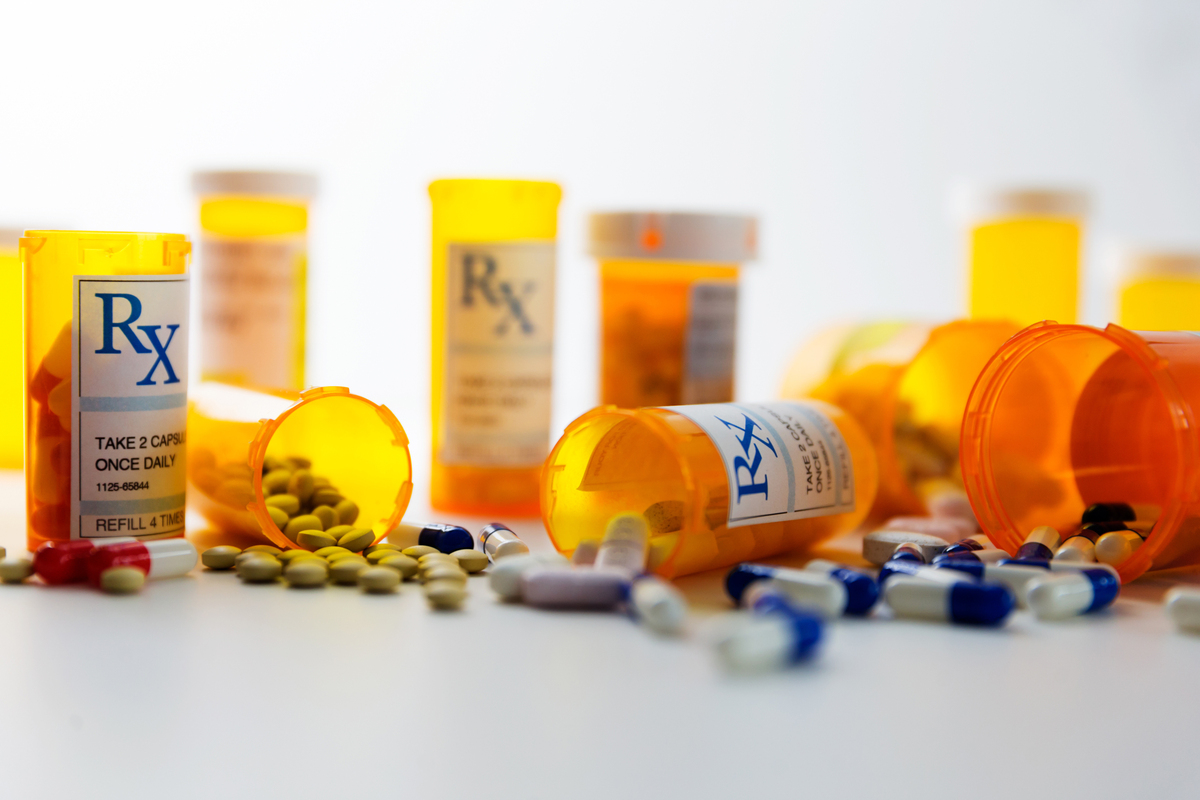
Harnessing the power of wearable devices, data, education, and a peer support group, people with pre-diabetes can lose weight and fend off the disease.
Katherine Streeter for NPR

hide caption

toggle caption

Katherine Streeter for NPR

People who are diagnosed with pre-diabetes can delay or prevent the disease if they change their lifestyle and lose a significant amount of weight. But here’s the challenge: How can people be motivated to eat healthier and move more? Increasingly, the answer might include digital medicine.

“Just telling people to do things doesn’t work,” says Sean Duffy, CEO of Omada Health. If it were easy, there wouldn’t be more than 80 million adults in the U.S. with pre-diabetes.

Omada has rolled out a digital program, delivered on smartphones and other devices, that incorporates all the ingredients known to help people overhaul their habits. It includes e-coaching, peer support, education, diet and exercise tracking, and electronic nudging. (Forget to weigh in or track your meals? You’ll get texts or emails reminding you to do it.)

“Week by week we have lessons on different themes, ” Duffy explains. “They’re interactive, and there’s little games” to keep it dynamic. Participants are matched with a group of peers (online) and they’re led by a coach, who they can text or email back and forth with. “We call it the symphony effect,” Duffy says, because there are multiple methods working together to help participants stay on track.

Getting started

Sometimes fear is a good motivator for losing weight. Don Speranza is in his late 60’s and lives on a farm along the Columbia River in Washington state where he runs a bed and breakfast with his wife. He’s also the chef at the inn. “I’m immersed in food all day,” Speranza says.

Last year he received an email from his doctor at Kaiser Permanente with some test results. “It was like a gut punch, ” Speranza says.

Don Speranza (left) in 2003, and after losing weight, in 2018.

Courtesy of Don Speranza

hide caption

toggle caption

Courtesy of Don Speranza

Based on his weight, which had been crept up to 210 pounds, and the results of his blood work to test his glucose, he was diagnosed with pre-diabetes. This means his blood sugar level was elevated, but not yet high enough to be diagnosed with the condition.

“It was a real come-to-Jesus moment,” Speranza recalls. He knew that diabetes increased the risk of heart disease, and can lead to many other complications including vision loss and amputations.

When he signed up for the Omada program, the first thing he received was a scale. He began to weigh himself daily. He also began to track what he was eating. Each day he’d log his weight and meals, and upload the data to a dashboard. His coach could see the data too, and give him advice and encouragement.

“Oh, my coach, ” Speranza says. “I can’t sing her praises enough, she as so responsive.”Even though they never met in person, they bonded. He took her advice and suggestions.

He realized, for instance, that he ate too much of the wrong things, “Homemade breads and croissants, pasta and pizza,” Speranza ticks off the list of baked treats with a mix of reverence and resolve in his voice.

Speranza realized he had to change his relationship with these foods. Temporarily, he cut out all these refined carbohydrates. He had to train himself to resist all the treats he bakes for his guests.

Instead, he began to fill his plate with more protein, vegetables and healthy fats. He raises animals on his organic farm, so he eats pastured meats, and a lot of salmon.

“Week by week, I’d make one or two little changes at a time, ” Speranza says. “It was a game changer.”

The weight began to fall off, and he started to move more. His coach nudged him to switch up his morning routine. He says he was accustomed to sitting each more for an hour or so just drinking coffee. “Now, I’ll start the coffee,” but before he drinks it “I’ll go outside and walk,” He tracks his movement withe a wearable electronic device. He began with 2,000 steps logged during his morning walk, but has now increased his steps significantly. And he rides a stationary bike, too.

“Now, I can almost keep up with my wife,” Speranza says with a laugh.

Since last May, he’s lost about 50 pounds (52, to be exact, but it fluctuates a bit) and his blood sugar has returned to the normal range. He no longer has pre-diabetes.

“I feel so much better,” Speranza says. As a baker, he buys flour in 50 pound sacks. “Now, when I look at [the sacks] I’m aghast to think that’s what I was carrying around.”

Success is not automatic

Of course, not every Omada Health participant makes the progress they’re aiming for. After all, pulling off these changes is difficult

“I’m still on the journey to get to more optimal, health” says Lonny Northrup, who lives in Utah. He lost weight while participating in the program, but when he hit a plateau in his weight loss, he felt stuck and he says he didn’t get the personal support he would have liked from the program. “For [many] days in a row I got an email saying, ‘Hey, we noticed you didn’t step on the scale.’ ” He says, “for some reason that didn’t get escalated to the coach,” so he says that was a disappointment.

Overall, he says he would recommend the Omada Health program to a friend. “I got really good, specific recommendations that worked for me and my lifestyle,” Northrup says. And he says the convenience of having the program delivered on a smartphone was key, too.

There is some evidence that these kinds of programs are working. A recent pilot study with Utah-based InterMountain Healthcare that included about 200 people, all of whom were at high risk of Type-2 diabetes, found that 75 percent of the participants completed the the Omada program and lost at least 5 percent of their body weight. And about 1 in 4 participants lost 7 percent of their body weight or more. That’s promising, because there’s evidence that a 7 percent body weight loss cuts the risk of developing diabetes by about 60 percent.

“This is one of the most exciting things,” says Mark Greenwood, a physician with InterMountain.

Omada Health is not the only player in this space. The Centers for Disease Control and Prevention recognizes many diabetes prevention lifestyle change programs, delivered both in-person and online, including Vida, which bills itself as a “health transformation team” that is data and tech-driven.

Additionally, traditional players in the weight loss space, such as Weight Watchers, now offer some similar incentives, such as personal coaching.

InterMountain Healthcare’s Mark Greenwood says he’d like to see many more patients try diabetes prevention programs. And he says he’s pleased with the results of the pilot study of Omada’s program.

“The data really does confirm that when you give people tools and help, instead of just preaching to them, it really does help.”

Let’s block ads! (Why?)