Hospitals Brace Patients For Pain To Reduce Risk Of Opioid Addiction
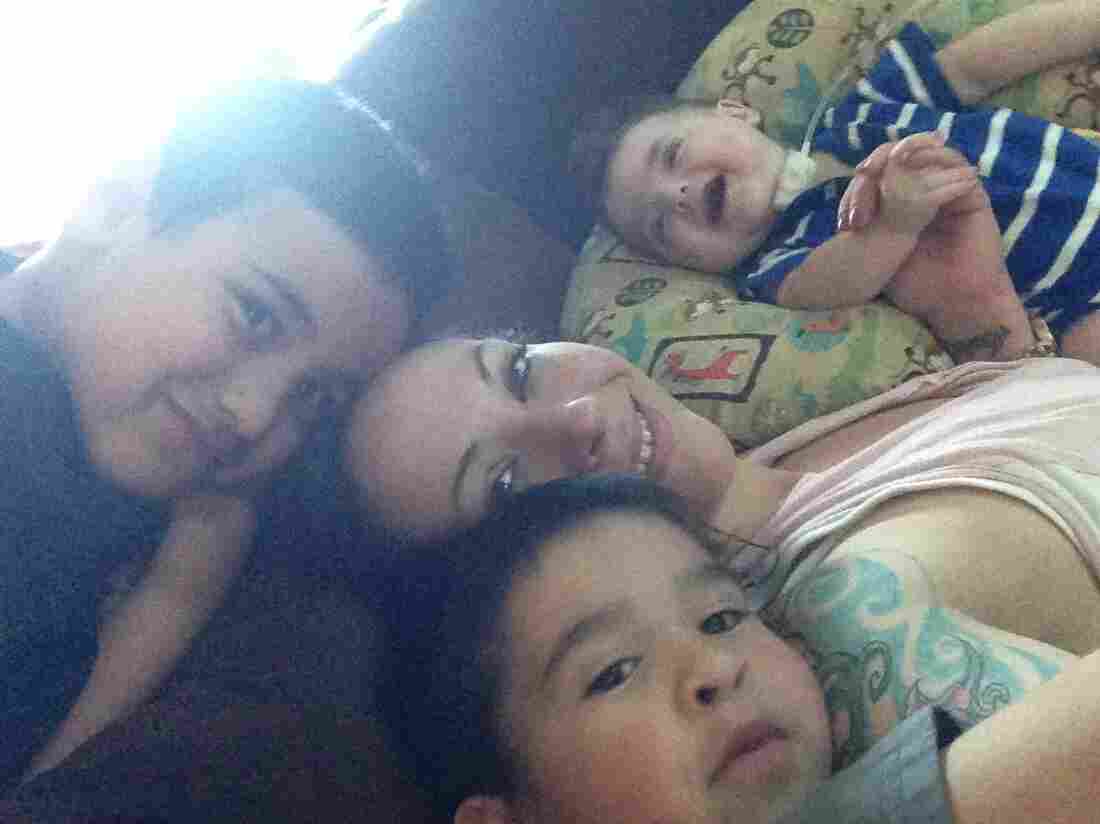
Michelle Leavy surrounded by her three sons. She became addicted to opioids when she was discharged from the hospital with doctors’ advice to use them for her pain after a cesarean section. She is now in recovery.
Courtesy of Michelle Leavy
hide caption
toggle caption
Courtesy of Michelle Leavy
Doctors at some of the country’s largest hospital chains admit they went overboard with opioids to make people as pain-free as possible.
Now the doctors shoulder part of the blame for the country’s opioid crisis. In an effort to be part of the cure, they’ve begun to issue an uncomfortable warning to patients: You’re going to feel some pain.
Even for those who’ve never struggled with drug use, studies are finding that patients are at risk of addiction anytime they go under the knife.
“I had the C-section, had the kiddo,” says Michelle Leavy. “And then they tell me, ‘It’s OK, you can keep taking the pain medications, it’s fine.’ “
Leavy, 30, is from Las Vegas. A mother of three and a paramedic, she has dealt with many people with addiction problems. She welcomed the high-dose intravenous narcotics while she was in the hospital and as she went home. She gladly followed doctors’ orders and kept ahead of the pain with her Percocet pills.
But then she needed stronger doses. And pretty soon, she realized she was no longer treating pain. “Before I went to work I took them, and to get the kids after school I had to take them,” she says. “Then I was taking them just to go to bed. I didn’t really realize I had a problem until the problem was something more than I could have taken care of myself.”
She said she was becoming like the patients with addiction problems that she transported by ambulance, lying to emergency room doctors to con a few extra doses.
She lost her job and her fiancé, before going to rehab through American Addiction Centers and stitching her life back together.
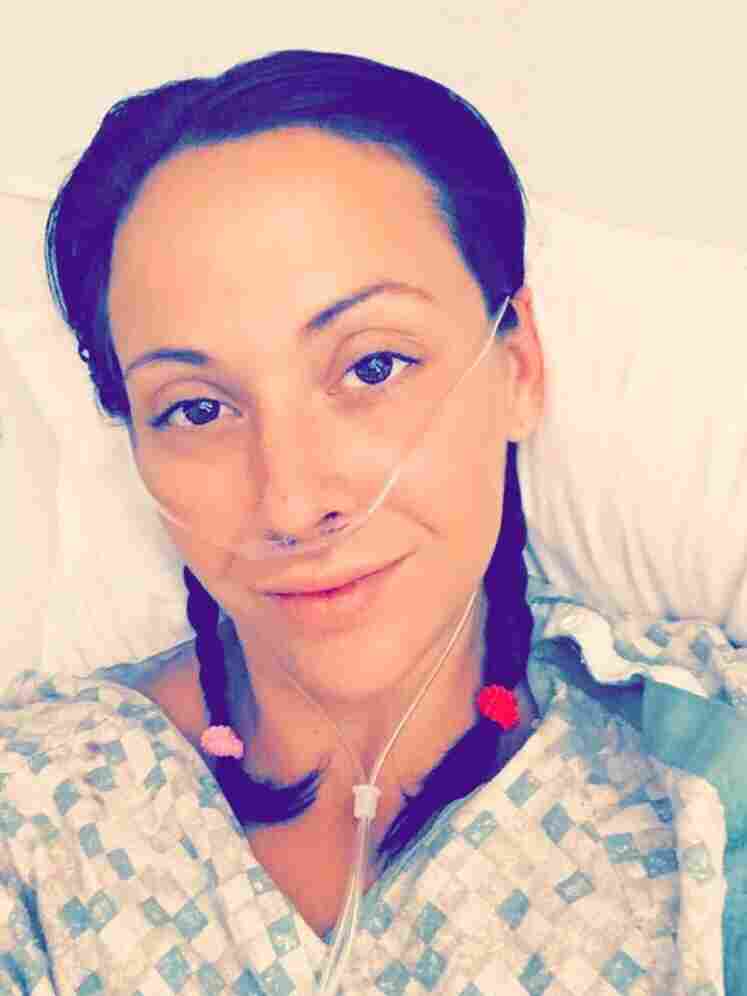
Michelle Leavy had emergency gallbladder surgery in June. She refused opioids before, during and after the operation. “It hurt,” she says, “but I lived.”
Courtesy of Michelle Leavy
hide caption
toggle caption
Courtesy of Michelle Leavy
An About-Face On Opioids
Opioid addiction is a reality that has been completely disconnected from where it often starts — in a hospital.
Anesthesiologist David Alfery says he was rarely stingy with opioids. “If I could awaken them without any pain whatsoever, I was the slickest guy on the block and it was a matter of enormous pride,” he says.
Alfery is part of a working group at the Nashville-based consulting firm Health Trust. It’s helping hospitals to set aside some of their competitive interests to swap ideas about a top priority — reducing opioid use.
“It starts with patient expectations, and I think over the years, patients have come to expect more and more in terms of, ‘I don’t want any pain after surgery,’ and it’s an unrealistic expectation,” Alfery says.
The expectation exists in part because pain treatment became an institutional priority. Hospitals are graded on how well they keep someone’s pain at bay. And doctors can feel pressure from the institution, and on a personal level, to minimize pain.
“I just wanted my patient not to be in pain, thinking I was doing the right thing for them and certainly not [being] an outlier among my colleagues,” says Dr. Mike Schlosser, chief medical officer for a division of HCA, the nation’s largest for-profit hospital chain.
Schlosser spent a decade as a spinal surgeon putting his patients at HCA’s flagship facility, Centennial Medical Center in Nashville, through some of the most painful procedures in medicine, like correcting back curvature. He says he genuinely just wanted to soothe the hurt he caused.
“But now looking back on it, I was putting them at significant risk for developing an addiction to those medications,” he says.
Using HCA’s vast trove of data, he’s found that for orthopedic and back surgeries, the greatest risk isn’t infection or some other complication — it’s addiction.
So the nation’s largest private hospital chain is rolling out a new protocol prior to surgery. It includes a conversation Schlosser basically never had when he was practicing medicine.
“We will treat the pain, but you should expect that you’re going to have some pain. And you should also understand that taking a narcotic so that you have no pain really puts you at risk of becoming addicted to that narcotic,” Schlosser tells patients.
Besides issuing the uncomfortable warning, sparing use of opioids also takes more work on the hospital’s part — trying nerve blocks and finding the most effective blend of non-narcotics. Then after surgery, the nursing staff has to stick to it. If someone can get up and walk and cough without doubling over, maybe they don’t need potentially addictive drugs, or at least not high doses of them.
There are potential benefits aside from avoiding addiction.
“I’ve had people tell me that the constipation was way worse than the kidney stone,” says Dr. Valerie Norton, medical director at the Scripps Health System in San Diego, which is also working with Health Trust.
“There are lots of other complications from opioids — severe constipation, nausea, itching, hallucinations, sleepiness. We really need to treat these drugs with respect and give people informed consent and let people know these are not benign drugs.”
Managing The Optics
Of course, from a business point of view, no one wants to run the hospital where it hurts more to be a patient.
You don’t want people to think that they’re being treated inappropriately, says John Young, national medical director of cardiovascular services for LifePoint Hospitals. But the Nashville-based hospital chain is putting special emphasis on how it handles people coming into the ER looking for pain medicine.
Young says tightening up on opioids becomes a delicate matter, but it’s the right thing to do.
“We really do have a lot of responsibility and culpability and this burden, and so we have to make sure we do whatever we can to stem this tide and turn the ship in the other direction,” he says.
While hospitals get their ship in order, some patients are taking personal responsibility.
Now that she’s in recovery, Michelle Leavy won’t touch opioids. That meant she had emergency gallbladder surgery in 2017 without any narcotics. She says it can be done.
“I mean, it hurt,” she says. “But I lived.”
Leavy says she was nervous about telling her doctors, but they were happy to find opioid alternatives.
This story is part of a reporting partnership with NPR, Nashville Public Radio and Kaiser Health News.
Facing Down Flu: 5 Facts To Know Now

As flu cases mount in California, the state’s health department recommends vaccination for all people 6 months and older.
Daniel Acker/Bloomberg via Getty Images
hide caption
toggle caption
Daniel Acker/Bloomberg via Getty Images
Aja C. Holmes planned to go to work last week, but her flu symptoms — a cough, fever and severe body aches that worsened overnight — had other ideas.
“It felt like somebody took a bat and beat my body up and down,” said Holmes, 39, who works as a residential life director at California State University-Sacramento. “I couldn’t get out of bed.”
The nation is having a terrible, horrible, no good, very bad flu season.
Flu is widespread in 46 states, including California, according to the latest reports to the Centers for Disease Control and Prevention.
Nationally, as of mid-December, at least 106 people had died from the infectious disease. At least 27 Californians younger than 65 had died as of Friday, seven of them during the week before Christmas. And states across the country are reporting higher-than-average flu-related hospitalizations and emergency room visits.
In California, flu struck surprisingly early and hard this season. The state’s warmer temperatures typically mean people are less confined indoors and result in a later flu season compared with other regions. Health experts aren’t sure why this season is different.
“We’re seeing the worst of it right now,” said Dr. Randy Bergen, a pediatrician who is leading Kaiser Permanente-Northern California’s anti-flu effort. “We’re really in historic territory, and I just don’t know when it’s going to stop.” (Kaiser Health News, which produces California Healthline, is not affiliated with Kaiser Permanente.)
Here are five things you should know about this flu season:
1. It’s shaping up to be one of the worst in recent years.
The H3N2 influenza A subtype that appears to be most prevalent this year is particularly nasty, with more severe symptoms including fever and body aches. Australia, which U.S. public health officials follow closely in their flu forecasting in part because their winter is our summer, reported a record-high number of confirmed flu cases in 2017. Another influenza B virus subtype also is circulating, “and that’s no fun, either,” Bergen said.
Flu season in the U.S. typically starts in October and ends in May, peaking between December and February.
2. This season’s flu vaccine is likely to be less effective than in previous years.
U.S. flu experts say they won’t fully know how effective this season’s vaccine is until the end of the season. But Australia’s experience suggests effectiveness was only about 10 percent. In the U.S., it is 40 to 60 percent effective in an average season. Vaccines are less protective if strains are different than predicted and unexpected mutations occur.
3. You should get the flu shot anyway.
Even if it is not a good match to the virus now circulating, the vaccine helps to ease the severity and duration of symptoms if you come down with the flu. Young children are considered among the most vulnerable to complications from the disease, and a shot can significantly reduce a child’s chances of dying. High-dose vaccines are recommended for elderly people, who also are exceptionally vulnerable to illness, hospitalization and death related to the flu, according to the CDC.
“Some protection is better than no protection,” Bergen said, “but it’s certainly disappointing to have a vaccine that’s just not as effective as we’d like it to be.
Shots may still be available from your doctor or local health clinic, as well as at some chain drugstores. Check the Vaccine Finder website for a location near you.
4. Basic precautions may spare you and your family from days in bed.
As much as possible, avoid people who are sick. Wash your hands frequently and avoid touching your mouth, nose and eyes.
Masks aren’t particularly effective in keeping you from catching the flu, although they may help keep sick people who wear them from spreading their germs further.
If you are sick, cover your cough and stay home from work if you can, Bergen said. Remaining hydrated, eating nutritious foods and exercising can also help strengthen your immune system.
Because elderly people are so vulnerable to the flu, some nursing homes and assisted living facilities may limit visitors and resident activities, depending on the level of illness.
5. Don’t mistake flu symptoms for those of a common cold.
The hallmarks of flu are fever and body aches that accompany cough and congestion, Bergen said.
If you feel as if you’re having trouble breathing, or if your fever can’t be controlled with medication like Tylenol, check with your doctor. It’s even more important for patients to see a doctor if they have a chronic medical condition like diabetes or heart disease, or if they are young or elderly.
Kaiser Permanente doctors now are being advised to prescribe antiviral drugs like Tamiflu — given as a pill or, for kids, an oral suspension — even without a lab test for influenza, Bergen said. According to a report in the Los Angeles Times, however, Tamiflu supplies are running low.
And Bergen cautioned that these medications are only partly effective, reducing the time of illness by just a day or two.
This story was produced by Kaiser Health News, which publishes California Healthline, an editorially independent service of the California Health Care Foundation. You can follow Barbara Feder Ostrov on Twitter: @barbfederostrov.
Hospitals In States That Expanded Medicaid Less Likely To Close

Up to one half of rural residents are covered by Medicaid, says Michelle Mills, CEO of Colorado Rural Health Center. And they’re typically older, poorer and sicker than city dwellers.
John Daley/CPR
hide caption
toggle caption
John Daley/CPR
The expansion of Medicaid helps rural hospitals stay afloat in states like Colorado, which added 400,000 people to the health insurance program under the Affordable Care Act.
Hospitals in states that expanded Medicaid were about 6 times less likely to close than hospitals in non-expansion states, according to a study by researchers at the University of Colorado Anschutz Medical Campus.
The study was published Monday in the January edition of the journal Health Affairs.
Colorado was one of 32 states to expand Medicaid under the Affordable Care Act. That cut the state’s uninsured rate in half. The biggest group that got coverage was childless adults.
Richard Lindrooth, a professor at the Colorado School of Public Health and lead author of the study, says hospitals saw more people showing up to hospitals with that insurance — so Medicaid payments increased. That helped the hospitals’ bottom line.
“It’s not as though Medicaid is an extremely profitable form of reimbursement, but it is something,” says Lindrooth, a professor the University of Colorado’s School of Public Health. “On the margins, it certainly helps the hospitals’ cash flow.”
Lindrooth says he and his colleagues hypothesized that hospitals in expansion states stood a better chance of remaining financially viable. So they examined national hospital data and local market conditions.
They compared four years before the Affordable Care Act went into effect (2008-2012) with years right after the launch of the ACA (2015-2016). Lindrooth says the results were noteworthy, especially for rural hospitals, which often struggle to stay open.
“Rural hospitals tend to be in more of a financially tenuous position, even prior to the Medicaid expansions,” Lindrooth says. “We found that really about half of the closures that did occur in non-expansion states could have been averted through the expansion.”
With more insured people in expansion states, hospitals made more money and provided less free care. “So overall their margins improved,” he says. Rural hospitals in non-expansion states didn’t have that advantage.
Rural health leaders said the study confirmed what they’ve seen on the ground.
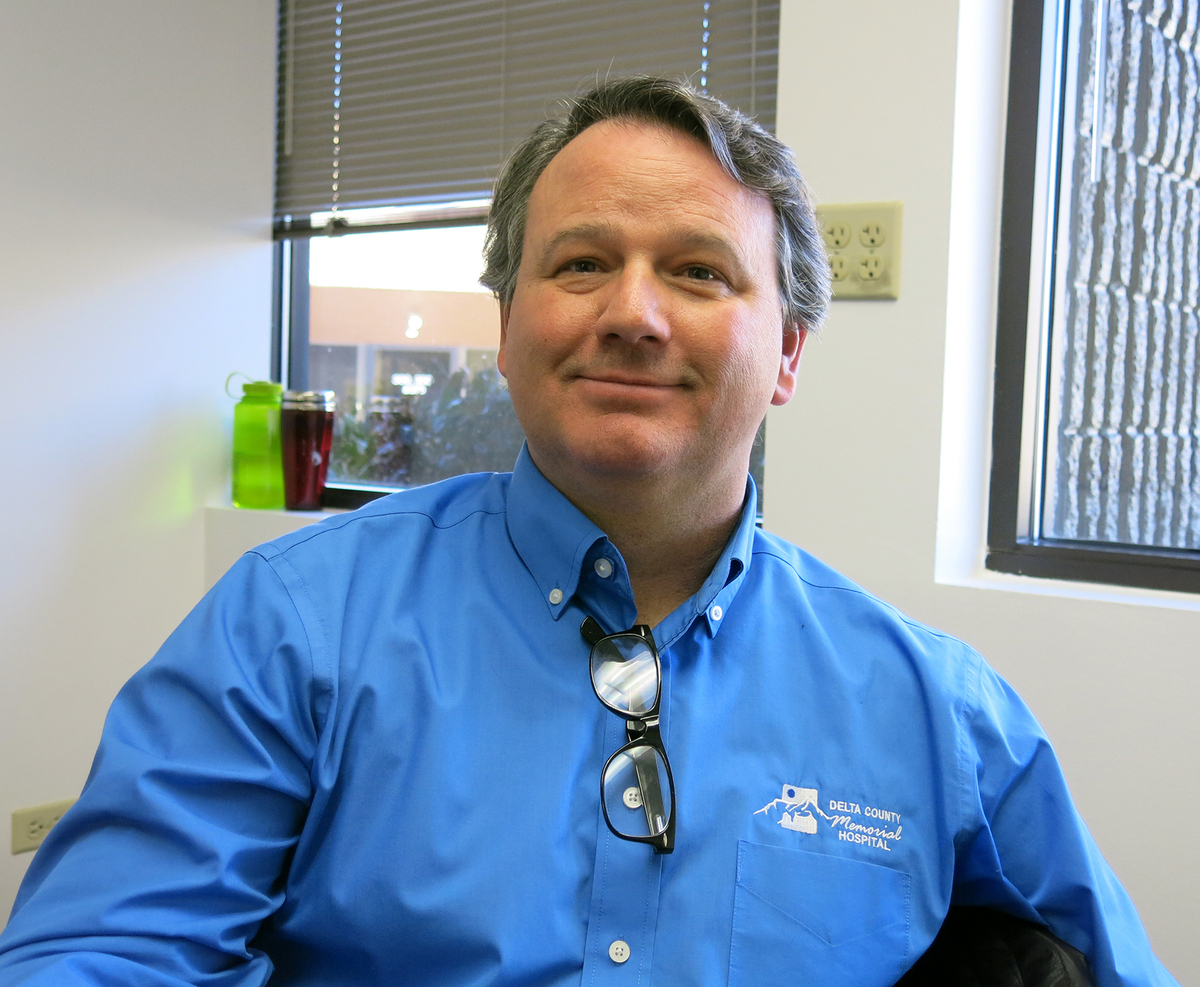
Jason Cleckler, CEO of Delta Memorial Hospital in Delta, Colo., in the rural western part of the state, said the Medicaid expansion helped his hospital’s finances. He compared the numbers in 2011 with 2016, after expansion. The hospital’s Medicaid population grew from 10 percent to 20 percent, and the hospital was left with less uncompensated care. It saved the hospital more than $3 million.

Jason Cleckler, CEO of Delta Memorial Hospital in Delta, Colo., says Medicaid expansion helped the hospital’s bottom line.
John Daley/CPR
hide caption
toggle caption
John Daley/CPR
“I think that really speaks to what the researchers found. So Medicaid doubled, our bad debt decreased significantly, and the uninsured rate decreased significantly,” Cleckler says. “It’s pretty remarkable, and I would venture to say that most hospitals, even ones with a lower percentage of Medicaid, have experienced a similar story.”
Cleckler did describe Medicaid coverage as a “mixed bag” for rural providers. Reimbursement rates can be paltry, he says. A hospital that pays $100 for a lab test may only be reimbursed $20. Another problem, he said, is many doctors and providers either won’t accept or limit the number of Medicaid patients due to low reimbursement rates.
An average of 30 percent to 50 percent of rural patients are covered by Medicaid, noted Michelle Mills, CEO of Colorado Rural Health Center, which offers rural health providers education and training. Mills says the population in rural areas is generally “older, sicker and poorer” than in urban communities.
She says the expansion plus a bump in Medicaid reimbursement rates “has helped rural Colorado hospitals from closing.” The jobs generated by those hospitals are key to rural economies, with health care one of the top three rural employers in Colorado.
“The importance of Medicaid expansion in our state cannot be understated,” says Cara Welch, director of communications with the Colorado Hospital Association.
Welch says other factors also provided a boost, including the state’s strong economy and its hospital provider fee. That fee helps reimburse hospitals for uncompensated care from the indigent population and those paying with Medicaid.
Brock Slabach, senior vice president of the National Rural Health Association, says the study correlates with data the group has reviewed. “If state legislatures and Congress want to cure the rural hospital closure problem, expanding Medicaid and not block-granting this important program would be the answer,” he says.
Members of the Republican majority in Congress have suggested changing Medicaid to a block grant. That means that instead of the federal and state governments sharing payment for every enrollee who qualifies, the federal government would provide each state a set amount of money, capping total Medicaid spending. It would let states decide how to spend the money. But health care and hospital advocates worry that the change would likely lead to cuts over time.
This story is part of a reporting partnership with NPR, Colorado Public Radio and Kaiser Health News.
CHIP Funding Could Run Out On Jan. 19 For Some States

The CHIP program provides health coverage to 9 million children from lower-income households that make too much money to qualify for Medicaid. The $2.85 billion Congress allocated in December was supposed to fund CHIP programs in all states through March 31. But federal health officials say it won’t stretch that far.
Karl Tapales/Getty Images
hide caption
toggle caption
Karl Tapales/Getty Images
Some states are facing a mid-January loss of funding for their Children’s Health Insurance Program despite spending approved by Congress in late December that was expected to keep the program running for three months, federal health officials said Friday.
The $2.85 billion was supposed to fund states’ CHIP programs through March 31. But some states will start running out of money after Jan. 19, according to the Centers for Medicare & Medicaid Services. CMS did not say which states are likely to be affected first.
The latest estimates for when federal funding runs out could cause states to soon freeze enrollment and alert parents that the program could soon shut down.
The CHIP program provides health coverage to 9 million children from lower-income households that make too much money to qualify for Medicaid. Its federal authorization ended Oct. 1, and states were then forced to use unspent funds to carry them over, while the House and Senate try to agree on a way to continue funding.
Congress extended funding on Dec. 21 — and said the temporary patch would give states enough money to continue the program while Congress works on a long-term funding solution. But a CMS official says it can only guarantee that appropriation will be enough to fund all states through Jan. 19.
CMS says the agency is in discussions with states to help deal with the funding shortfall.
“The funding … should carry all the states through January 19,based upon best estimates of state expenditures to date,” says CMS spokesman Johnathan Monroe. “However, due to a number of variables relating to state expenditure rates and reporting, we are unable to say with certainty whether there is enough funding for every state to continue its CHIPprogram through March 31, 2018.”
“States need to know whether they will need to find additional funding for children covered under the Medicaid CHIP program at a much lower federal matching rate; send letters to families and reprogram their eligibility systems,” says Lisa Dubay, a senior fellow at the Urban Institute. “Of course, the implications for families with CHIP-eligible children cannot be understated: Parents are worried that their children will lose coverage. And they should be.”
Although the program enjoys bipartisan support on Capitol Hill, the Republican-controlled House and Senate have for months been unable to agree on how to continue funding CHIP, which began in 1997.
The House plan includes a controversial funding provision — opposed by Democrats — that takes millions of dollars from the Affordable Care Act’s Prevention and Public Health Fund and increases Medicare premiums for some higher-earning beneficiaries.
The Senate Finance Committee reached an agreement to extend the program for five years but did not unite around a plan on funding.
Before the CHIP funding extension on Dec. 21, Alabama said it would freeze enrollment Jan. 1 and shut down the program Jan. 31. Colorado, Connecticut and Virginia sent letters to CHIP families warning that the program could soon end.
After the funding extension, Alabama put a hold on shutting down CHIP.
“Some states will begin exhausting all available funding earlier than others,” a CMS official says. “But the exact timing of when states will exhaust their funding is a moving target.”
Bruce Lesley, president of First Focus, a child advocacy group, says Congress should have known its short-term funding plan was not enough.
“The math never worked on the patch, as it only bought a few weeks,” he says. “Congress must get this finalized before Jan. 19.”
Kaiser Health News is a national health policy news service that is part of the nonpartisan Henry J. Kaiser Family Foundation. Phil Galewitz is a senior correspondent for KHN.
Hospitals Nationally Hit Hard By Medicare's Safety Penalties

Each year, hundreds of hospitals lose 1 percent of their Medicare payments through the Hospital-Acquired Conditions Reduction Program. The penalties — now in their fourth year — were created by the Affordable Care Act to drive hospitals to improve the quality of their care.
Maskot/Getty Images
hide caption
toggle caption
Maskot/Getty Images
As the federal government penalizes 751 hospitals for having too many infections and patient injuries, some states are feeling the cuts in Medicare payments more than others.
This year’s punishments landed the hardest in Connecticut and Delaware, where Medicare penalized half of the evaluated hospitals, federal records show. In New York and Nevada, 4 in 10 hospitals were penalized. A third were punished in Rhode Island and Georgia. (These figures do not include specialty hospitals automatically exempted from penalties: those serving veterans, children and psychiatric patients, and “critical access” hospitals that are the only institutions in their area.)
While every state except Maryland — which is excluded because it has a different Medicare payment system — had at least one hospital punished, some got off comparatively lightly. Of hospitals in Alabama, Kansas, Massachusetts, Missouri, Ohio, Texas and nine other states, 16 percent or fewer of the institutions were punished. (State summaries can be found at the bottom of this post; a searchable list of individual hospitals penalized is here.)
The penalties — now in their fourth year — were created by the Affordable Care Act to drive hospitals to improve the quality of their care. Each year, hundreds of hospitals lose 1 percent of their Medicare payments through the Hospital-Acquired Conditions Reduction Program.
The program’s design is stern: Out of the roughly 3,300 general hospitals that are evaluated each year, Medicare must punish the worst-performing quarter of them — even if they have reduced their number of potentially avoidable mishaps from the previous evaluation period.
“I have seen with my own eyes the improvement,” says Dr. Amy Boutwell, a quality-improvement consultant in Massachusetts. “I hear hospitals say straight up, ‘We don’t want to be in the lowest quartile; we want to get out of the penalty zone.’ “
The conditions Medicare considers include rates of infections from colon surgeries, hysterectomies, urinary tract catheters and central line tubes inserted into veins. Medicare also examines rates of methicillin-resistant Staphylococcus aureus, or MRSA, and Clostridium difficile, known as C-diff. The frequency of 10 types of in-hospital injuries — including bedsores, hip fractures, blood clots, sepsis and post-surgical wound ruptures — are also assessed. All these types of potentially avoidable events are known as hospital-acquired conditions, or HACs.
A mix of factors contributes to why more hospitals are punished in certain states. The penalties fall more frequently on teaching hospitals and on facilities with large portions of low-income patients. There are more of those in some states than in others. Some penalty recipients say Medicare isn’t adequately taking into account differences in patients, since those who are frailer are more susceptible to HACs.
There is also some element of statistical chance, since the number of reported conditions in one hospital on the edge of the bottom quartile might just have one or two more incidents than a hospital that narrowly escapes that designation.
“It’s a ‘HACidental’ payment policy,” says Nancy Foster, vice president for quality and patient safety at the American Hospital Association.
Some repeatedly penalized hospitals, such as Northwestern Memorial Hospital in Chicago, say the program is flawed by what researchers call surveillance bias: The hospitals that are most diligent in testing and treating infections and injuries are going to appear to have more such incidents than relatively lackadaisical institutions. The hospitals are responsible for reporting incidents to the federal government.
Medicare says it performs spot checks, but Dr. Karl Bilimoria, director of the Surgical Outcomes and Quality Improvement Center at the Northwestern University Feinberg School of Medicine, says more policing is needed for the rates to be credible.
“In no other industry would this pass, where a program without an audit and [with] voluntary data reporting would be considered valid,” Bilimoria says. “We know guys are gaming.”
Still, many hospitals that have large numbers of sicker and low-income patients, or that handle more complex cases, have avoided the penalties. Medicare issued no punishments this year to Cedars-Sinai Medical Center in Los Angeles; the Cleveland Clinic; Intermountain Medical Center in Murray, Utah; Massachusetts General Hospital in Boston or New York-Presbyterian Hospital in Manhattan.
While safety-net hospitals and teaching hospitals were penalized at a higher rate than other institutions, two-thirds of each group escaped penalties this year.
Dr. Kevin Kavanagh, board chairman of Health Watch USA, a patient advocacy group, says that most hospitals are reducing their HACs each year, in part because of the penalties.
“That’s really the bottom line that everyone should support,” he says. “No system is perfect.”
Loading…
Brush With Death Leads Doctor To Focus On Patient Perspective

A doctor’s nearly fatal medical event opened her eyes to communication lapses, uncoordinated care and at times a total lack of empathy in the health care system.
kokouu/Getty Images/iStockphoto
hide caption
toggle caption
kokouu/Getty Images/iStockphoto
The searing abdominal pain came on suddenly while Dr. Rana Awdish was having dinner with a friend. Soon she was lying in the back seat of the car racing to Henry Ford Hospital in Detroit, where Awdish was completing a fellowship in critical care.
On that night nearly a decade ago, a benign tumor in Awdish’s liver burst, causing a cascade of medical catastrophes that almost killed her. She nearly bled to death. She was seven months pregnant at the time, and the baby did not survive. She had a stroke and, over the days and weeks to come, suffered multiple organ failures. She required several surgeries and months of rehabilitation to learn to walk and speak again.
Helpless, lying on a gurney in the hospital’s labor and delivery area that first night, Awdish willed the medical staff to see her as a person rather than an interesting case of what she termed “Abdominal Pain and Fetal Demise.” But their medical training to remain clinically detached worked against her. Later, in the intensive care unit, she overheard her case being discussed by the surgical resident during morning rounds.
“She’s been trying to die on us,” he said. It made her angry, she says, because she was trying desperately not to die. “I felt he was positing me as an adversary. If my care team didn’t believe in me, what possible hope did I have?”
Awdish survived and returned to her work at Henry Ford Hospital, but her perspective was indelibly altered. In her recently published book, In Shock, she describes her through-the-looking-glass experience as a critically ill patient. The ordeal opened her eyes to communication lapses, uncoordinated care and at times a total lack of empathy at an institution that says on its home page that health care there “should be built around just one person: you.”
The health system has embraced many of her suggestions for change.
Today, she splits her time working as a critical care physician and as the medical director of care experience for the Henry Ford Health System. In the past five years, she and three colleagues have developed a program to improve empathy and communication with patients, called Clear Conversations. At retreats that typically last two days, Henry Ford Hospital staff practice having difficult conversations with improvisational actors who act as their patients. The program also trains providers in fundamental patient communications skills and offers real-time physician “shadowing” to provide feedback.

“To listen to our patients with a generous ear does require a willingness to relinquish control of the narrative,” Dr. Rana Awdish says in her book.
Courtesy of Henry Ford Health System
hide caption
toggle caption
Courtesy of Henry Ford Health System
Awdish regularly speaks about her work around the country at conferences and medical schools, “trying to capture the students a bit upstream,” she says.
“To listen to our patients with a generous ear does require a willingness to relinquish control of the narrative,” she says in her book. “Our questions allow for the possibility that we do not already know the answers. By not dominating the flow of information, we allow the actual history to emerge.”
Awdish spoke with me recently about her book. The following interview has been edited for length and clarity.
What about being a patient surprised you?
What surprised me the most about being a critically ill patient was how much what I needed as a patient was different than what as a physician I would have thought I needed. As a physician, I was truly focused on trying to provide the best medical care possible. I thought that meant trying to treat people and bring them back to health as fast as possible, not staying in emotional spaces.
As a patient, I realized that someone could treat me but if I didn’t feel they really saw me, that somehow I didn’t feel healed. That emotional space is really where healing occurs.
Through the Clear Conversations program, you’re trying to address the lack of effective communication and empathy you experienced as a patient. Did it help or hinder you that you were bringing this idea to your own hospital?
What helped me in my patient experience was that as much as I saw what was missing, I also saw myself in every failure. And it was very clear that as a physician I was a product of my training. We all are. That removed much of the shame. That very much helped.
Though I believed we were doing this for the patients, what was shocking for me was how valuable the physicians found the training. As physician and author Atul Gawande said, “We all need a coach.” Once we go into practice, where do you go for guidance?
Do the changes really “take” after a two-day workshop?
By immersing departments, by training not only senior staff physicians in how to have these conversations with patients but also their fellows and residents, we gain traction. Because if residents don’t see the communication tools valued by their mentors, they won’t value it. And everyone holds each other accountable. Everyone’s ears are attuned to the same thing. It does start to create change in the sense that expectations have changed for everybody.
How is insurance a barrier to change?
The system is not set up to facilitate conversation, to facilitate time spent with patients. It doesn’t facilitate things that are of value. The need to see patients so often to keep up productivity, and the limitations on time because we’re so caught up in electronic medical record charting — all those things pull you away from patients. It’s up to physicians to keep that space sacred against the competing priorities.
Is there anything that patients can do to help connect with a physician?
What I most wish people knew is that while the system is broken, the people are good. The system actually obstructs things like communication and access. So, it’s up to us to figure out the best way to communicate on a one-on-one basis and create that sacred space between ourselves.
Kaiser Health News is an editorially independent news service that is part of the nonpartisan Henry J. Kaiser Family Foundation. Michelle Andrews is on Twitter @mandrews110.
From Retirement To The Front Lines Of Hepatitis C Treatment

Dr. Ronald Cirillo helps Deborah Hatfield fill out paperwork at a Florida clinic, before running a test to see whether she has hepatitis C.
Daylina Miller/Health News Florida
hide caption
toggle caption
Daylina Miller/Health News Florida
When a hepatitis C treatment called Harvoni was released in 2014, Dr. Ronald Cirillo knew it was big.
“It’s the reason that dragged me out of retirement!” he says.
Cirillo specialized in treating hepatitis C for more than 30 years in Stamford, Conn., before retiring to Bradenton, Fla. During his time in Connecticut, the only available treatment for hepatitis C had terrible side effects and it didn’t work very well. It cured the viral infection less than half the time. But the newer drugs Harvoni and Solvaldi cure almost everybody, with few adverse reactions.
“In my lifetime I’ve seen it change from a horrible treatment to a manageable treatment,” Cirillo says.
His mission is finding the patients.
“The disease is out there,” he says. “My job is to get the disease in here so we can follow them and treat them.”
Cirillo joined the Turning Points free clinic last year. It’s in Bradenton, about an hour south of Tampa. The clinic primarily serves uninsured Floridians who fall into what many refer to as a coverage gap in states like Florida that chose not to expand Medicaid. Falling into this gap are people who make too much money to qualify for Medicaid in the non-expansion state, but can’t get subsidies to buy insurance on the Affordable Care Act exchanges; subsidies kick in when people make 100 percent of the poverty level — about $12,000.
Cirillo is trying to test every high-risk patient he encounters. Today, his assistant pricks a patient’s finger, and squeezes blood onto the end of a small plastic tube.
“And this little measuring tool goes into the blood and solution mix there,” Cirillo says. “We are going to time it — 20 minutes and that’s it. That’s the test.”
Nearly 30,000 people in Florida were found to have hepatitis C in 2016. It’s likely that many more are infected, because the virus can lie dormant for decades.
Cirillo spearheaded a partnership with Harvoni’s maker, Gilead Sciences, and that partnership has provided treatment to about 100 patients.
“We treat people without any insurance, that have no hope,” Cirillo says.”If you qualify to be a patient here, you’ll get tested.”
A 57-year-old patient named Patricia discovered she had hepatitis C a few months ago during a trip to the clinic. NPR is not using her last name because the virus is sometimes associated with illegal IV drug use. It can also spread via sex. Patricia says she’s not sure how she got it.
“So, just because of my age, I guess, they went ahead and tested me for it and it blew my mind that I actually had hep C,” she says. “And the levels ended up being really high.”
The virus had started to scar and inflame her liver. But she lacked insurance and a job; the $94,000 Harvoni treatment would have been out of reach if she hadn’t had financial help.
“I would never been able to afford that treatment,” she says. “Never.”
Staff at the clinic help patients fill out the complicated application from Gilead. Only patients who don’t have insurance, have been drug-free for at least six months, and who meet income requirements are eligible.
Patricia was able to get the treatment — one pill a day for 12 weeks — and will be tested again in three months to determine whether she is free from hepatitis C.
“Had they not discovered it, really, and gotten me onto the program — who knows?” she says.
The Bradenton clinic is just one of many free clinics across Florida. But it stands out in its success in treating people who have hepatitis C.
This story was produced with the USC Center For Health Journalism’s National FellowshipandKaiser Health News.
Can Home Health Visits Help Keep People Out Of The ER?

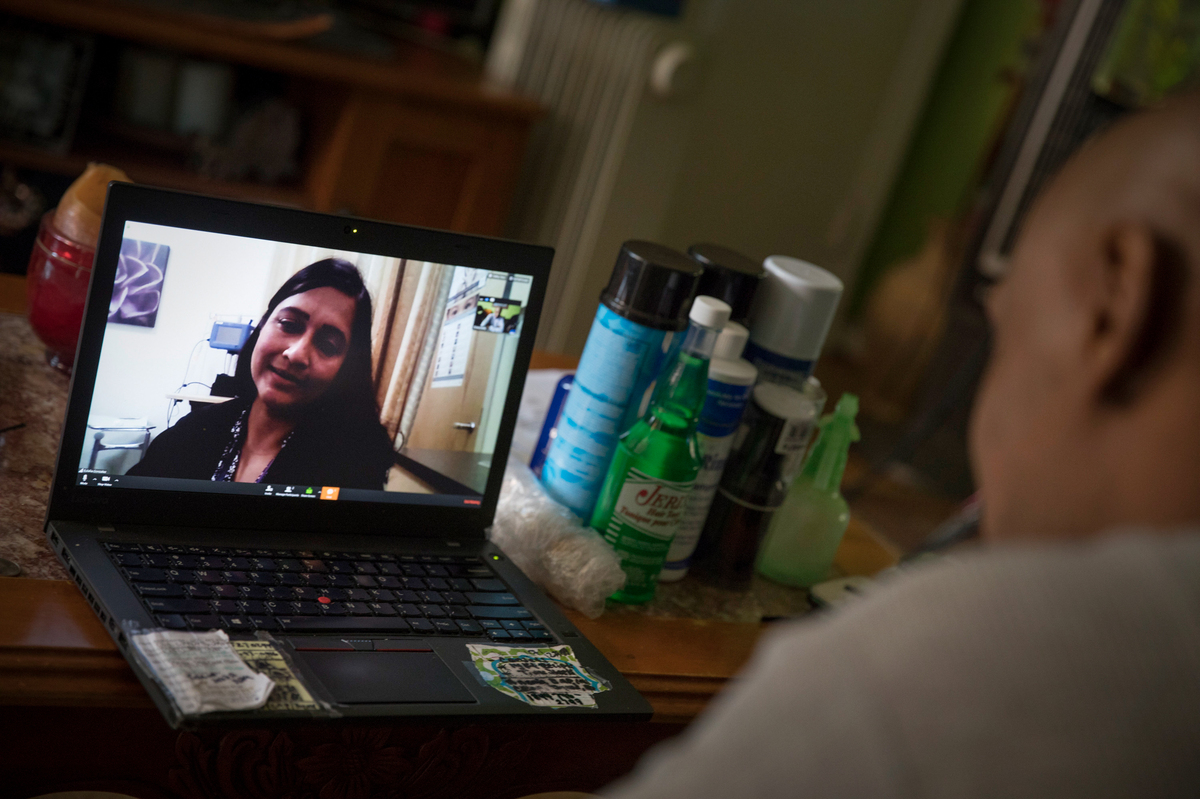
Dr. Gita Agarwal of Mary’s Center conducts a telemedicine conference with Dennis Dolman from his mother’s house in Washington, D.C.
Tyrone Turner/WAMU
hide caption
toggle caption
Tyrone Turner/WAMU
Telemedicine isn’t just for rural areas without a lot of doctors anymore.
In the last few years, urban areas all over the country have been exploring how they can connect to patients virtually to improve access to primary care and keep people from calling 911 for non-urgent problems.
In Washington D.C., Mary’s Center, a community health center, is piloting a program to provide primary care virtually to Medicaid patients who can’t make it in to any of their clinics. Sometimes there are mobility or childcare issues, some people may not be able to get time off of work. Others simply don’t want to go.
Dennis Lebron Dolman was in the latter group. He went to a health screening fair over the summer, where Mary’s Center medical assistant Grace Kelly took his blood pressure. It was dangerously high: 180 over 100 — stroke-level high. He had no idea it was that bad.
Despite those scary numbers, he didn’t want to go to a doctor and get treatment. So Kelly, who was working at the health fair, talked him into an alternative: she would come to him, with a clinic in a suitcase (a scale, blood pressure monitor, virtual stethoscope), and a laptop to connect virtually with a doctor across town. All of it is paid for by Trusted Health Plan, one of D.C. Medicaid’s managed care organizations, which has partnered with Mary’s Center to cover home visits like this one as part of the pilot program.
Just like a doctor’s office, at home
On a fall afternoon three months later, Dolman, 41, sits next to Kelly on a cushy brown couch at his mom’s house in Northeast D.C.
Kelly pulls out her phone and put on a meditation app.
“So what I want you to do is listen to this while I take your blood pressure,” she says. “Because I do not want it to be high.”
“OK,” he says, leaning back.
“As you breathe in, be aware of breathing in,” the meditation lady croons from the app. “And as you breathe out…”
Kelly has met with Dolman for several telemedicine appointments over the past few months. His blood pressure has been improving, but today the reading is just OK.
“It’s a lot better than before, but it’s still high,” Kelly says.
At the appointment, Kelly goes through all the things patients normally do at a doctor’s office before the doctor comes in. She checks Dolman’s weight, temperature and blood pressure. When it’s time for the doctor to appear, the laptop starts ringing.
Dolman’s doctor is Gita Agarwal, and at this moment, she’s in an exam room at Mary’s Center in the Adams Morgan neighborhood of Washington, sitting in front of her laptop camera. She can see Dolman and check out all the vitals that Kelly has just entered into his virtual chart.
The blood pressure is not quite where she wants it, but she agrees to let him keep improving his diet and exercising to try to get it down, rather than taking medicine. He’d really rather not take anything.
Then she spots his weight.
“Oh!” she shouts. “What happened with the weight?”
“It might be clothes,” Kelly suggests. Dolman is wearing sweats and thermals.
“All nine pounds of it?” Agarwal asks.
Dolman weighs 210, which isn’t too bad for his height, but he had lost weight as part of a diet and exercise program to get his blood pressure down. Now it has crept back up.
“I haven’t made it to the gym yet. That’s the problem,” he says.

Medical assistant Grace Kelly checks Dolman’s vital signs before he talks to the doctor via teleconference.
Tyrone Turner/WAMU
hide caption
toggle caption
Tyrone Turner/WAMU
“What should we do, what do you think?” Agarwal asked. “Do you want to see a nutritionist?”
He thinks about it. “That would be fine.”
“And how about an exercise program?”
“Yes,” he says.
Building relationships and improving care
This sort of exchange aimed at connecting patients with different health care providers and services that can help them is the real promise of telemedicine in D.C., according to Erin Holve, the director of health care reform and innovation at the D.C. Department of Health Care Finance.
“It’s still early days for telemedicine, but there are lots of reasons to believe that establishing the kind of relationship between a patient and provider and having that continuity of care will ultimately reduce some of the non-emergent visits to the E.R.,” she says.
That’s key for D.C., which has the highest per capita 911 call volume in the country. Mary’s Center pilot program grew out of AmeriHealth, a Medicaid managed care organization in D.C., approaching the health center and wanting to brainstorm how to get the District’s unnecessary emergency visits down. Now, the program has expanded to Medicaid patients like Dolman who have Trusted Health Plan.
The managed care organizations get incentives from the city if they reduce ER overuse. And the D.C. council is considering legislation that would expand reimbursement for these types of visits.
“We’re very supportive of the fact that our [managed care organization] partners are testing these innovations and looking at these pilots so we can have an understanding of what’s really going to work for district residents,” Holve says.
Elsewhere, one of the big barriers to telemedicine has been working across state lines; the doctor has to be licensed in the same state as the patient. By working with local patients who would be eligible to come in to the clinic, Mary’s Center sidesteps that problem.
But the push for telemedicine in the District is about more than just reducing ER visits, Holve says. It’s about improving the health of Medicaid patients in the long run. “That’s really what we’re banking on,” she says. “That we’ll measure improvement in quality of care and that we’ll see an ability for our patients to get healthy and stay healthy.”
‘Convenient and good company’
In the immediate sense, the telemedicine program might have saved Dolman from an E.R. visit — if his high blood had gone unchecked, he could have had a stroke. But it has also connected him to a provider he likes and trusts, and a place to go for any issue with his health that might come up in the future.
By the end of Dolman’s telemedicine appointment, he has a meeting with a nutritionist in the works, Kelly has agreed to drop off a blood pressure monitor at his house later that day, and they set up a therapist appointment.
They agree to meet again in about six weeks.
“I’ve been nice to you, I didn’t prick you again,” Agarwal teases. Dolman isn’t a fan of needles.
On second thought: “How about the vaccine, did we give you the vaccine?” she says.
“No, I’m fine,” he says.
She laughs, “No, really. Do you want a flu shot?”
“I usually do fine without a flu shot,” he says.
“But how do you know you’ll be fine this year?” She tells him how bad the flu can be, how sick she got one year. “That’s what we’re trying to prevent,” she says. “What do you think?”
He relents. Medical assistant Grace Kelly has a flu shot with her, and she gives it to Dolman on the spot, there in his mom’s living room.

Dolman and Kelly chat outside his mother’s house in Northeast Washington after the house call.
Tyrone Turner/WAMU
hide caption
toggle caption
Tyrone Turner/WAMU
“Dr. Gita’s good — I like her,” Dolman says. He walks Kelly out at the end of the visit while she waits for her car. And he likes the telemedicine program, it works for him.
“It’s convenient and good company, all of the above,” he said.
He likes feeling that someone’s keeping track of him so he doesn’t slack off. Someone who’ll check to see if he has gone to the gym, improved his eating habits and — ultimately — get that blood pressure down.
Selena Simmons-Duffin is a producer at NPR’s All Things Considered, currently on a three-month staff exchange with Washington, D.C., member station WAMU, where she is reporting on health.
Researchers Gather Health Data For 'All Of Us'

Mine Cicek, an assistant professor at the Mayo Clinic, processes samples for the All of Us program.
Richard Harris/NPR
hide caption
toggle caption
Richard Harris/NPR
Federal taxpayers are pouring hundreds of millions of dollars into a quest for blood samples, medical information and fitness readouts from a million Americans. It’s called the All of Us precision medicine initiative, and it’s the biggest push ever mounted to create a huge public pool of data that scientists — and anybody else who is interested — can mine for clues about health and disease.
Proponents say this big data approach to medicine will be revolutionary. Critics aren’t so sure.
The plan is to recruit a million Americans to sign up for a program that will not only gather all sorts of medical data about them but will also follow them for at least a decade, possibly much longer. Their electronic medical records could end up in huge databases. The physical samples of blood and urine will end up in an industrial park in Rochester, Minn.
Mine Cicek, an assistant professor of laboratory medicine and pathology at the Mayo Clinic, leads me into a vast building with more than an acre and a half of floor space. “This used to be an old warehouse, but when we moved in three to four years ago, we really built a laboratory, and it’s in the space,” she says.
Power cords drop down from the ceiling to lab benches and robotic instruments, lined up row after row. These machines will help take the grunt work out of sorting through what will eventually be 34 million samples, gathered from all across America.
At the moment, the project is limited to pilot studies, with fewer than 100 samples a day coming off the UPS and FedEx trucks to be sorted, centrifuged and ultimately plunged in the deep freeze. But when the operation is fully up to speed, the lab may receive specimens from a thousand participants a day.








Technicians examine part of a 74-foot-long freezer. Robots inside the freezer will handle millions of specimens and store them in even colder freezers inside.
Richard Harris/NPR
hide caption
toggle caption
Richard Harris/NPR
Cicek takes me into another cavernous part of the warehouse, filled not only with ordinary looking freezers but also with one behemoth — 74 feet long and more than 15 feet wide. It’s bigger than a railroad boxcar.
We loop around to the front, which has a glowing green slit, delineating the narrow freezer door.
Inside, robots pick up the samples, read bar codes stamped on them and store them in individual freezers hidden inside. The robot works in a freezer set to minus 20 degrees Celsius, sorting samples into smaller freezers kept at minus 80 C (or minus 112 degrees Fahrenheit). People only enter the freezer if there is a problem inside.
When everything is up and running, Cicek says, the incoming tubes of blood will be processed by a fully automated system. All she’ll have to do is pick up boxes of samples and feed them into this freezer.
And the scientific output for this enterprise? That is less tangible at the moment.
“It’s really a research resource that we’re building for the whole country, if not for the whole world,” says Eric Dishman, who runs the National Institutes of Health’s All of Us initiative from another anonymous building, in Rockville, Md., a suburb of Washington, D.C.
His job is to build it and then make the data widely available — to top biomedical researchers as well as to community colleges and even high schools, so all sorts of people can dive into the data and try to extract meaning from it.
Echoes of the human genome project
In some ways, this project is akin to the original effort to sequence the human genome more than a decade ago. It’s not an end in itself; it’s a tool. The idea is to bring the big data revolution that has reshaped online commerce and social media to science. Ultimately, the information could help make medicine more personal and precise.
Scientists don’t yet have a concrete plan, but Dishman sketches out the goals. “We keep looking at diseases in isolation,” he says. But by looking at entire genomes, he hopes scientists will get a better idea about how diseases are interconnected.
“The All of Us research program is really trying to bring a diversity of people, of health conditions, and a diversity of data sets to try to understand us more in our complexity,” he says.
Scientists might scour this pile of data for unexpected patterns or dive into it looking for answers to specific questions.
Dishman, who has lived through a 23-year odyssey with kidney disease and kidney cancer, uses his experience as an example. “I had $6 million of care. Now looking back at it, scientists tell me that 90 percent of everything we ever did to me was destined to be wrong.”
Medicine is often a matter of trial and error, so that is not so unusual. But Dishman also had the DNA in his tumor deciphered. That gave doctorsyet one more clue about what to do, and it led to an effective treatment.
“I’m nervous about sharing this story because it is hopeful,” Dishman says. “I also know there’s a lot of science, but also a lot of luck this worked for me.”
Still, he regards his story as a lesson about what the future could bring, in a world where genetic data are merged with information from medical records, exercise monitoring gear and whatever else can be put into a giant database for analysis. The hoped-for output of this will be “precision medicine.”
“We are in the early days of precision medicine and this is exactly why we need to accelerate the science and the discovery so there’s an evidence base for the decisions and choices we’re making for you as an individual, as well as the general population.”
Millions invested, future benefits unknown
Among those skeptical about the big talk — and big investment — behind precision medicine is Kenneth Weiss, who recently retired from his post as a genetics professor at Penn State, and has written about this issue.
“I think there will be some progress, but I also think this is also as much a slogan to get funding as it is a serious promise,” he says. The All of Us programreceived $360 million for its first two years of funding and hopes to run for many decades.
Gathering huge data sets may be useful for merchants trying to suss out consumer spending patterns, but he cautions that in biology, it may lead to more confusion than clarity. That is because many health conditions involve hundreds of genes, and the pattern is different in every individual. As it is, the more scientists look the more variants they find. So, he says, think about what that will look like when they have gathered a million samples.
“Bigger and bigger samples will just in a way identify more and more very rare or very weak effects, and the upshot will be each person will become even more different in terms of the identifiable genetic effects,” Weiss predicts.
When the human genome was sequenced, many scientists hoped they would quickly be able to identify the common genes that are responsible for common diseases, like diabetes, heart disease, high blood pressure and so on. That simply didn’t pan out. Common diseases don’t have common genetics. Weiss says it’s time to cut our losses pursuing that concept.
“I think we’re already at the diminishing returns point for many of the complex traits that important to our society in terms of health.”
The solutions to these common conditions lie largely in changing diets, exercise habits and tobacco addiction. Focusing genetic resources on diseases that do have strong genetic components makes a lot of sense, he says.
“But pouring more and more investment into these huge studies based on the idea that if you search enough computer data you will get an answer, I think is a false promise,” he says.
He would rather take the money being spent on All of Us and use it to work on gene therapies for diseases that have a clear genetic cause, such as muscular dystrophy or Huntington’s disease. “And once those [therapies] are developed — which I think they will be because I think humans are really good at engineering — then we can extend to the less clear-cut genetic traits.”
Meanwhile, if the goal is to improve the health of our population, he says, “let’s spend money on dietary exposures, exercise exposures, all the things that we know about to reduce the frequency of the kinds of diseases that we’re spending so much money to try to treat is if they were genetic.”
Given all the momentum built up behind the precision medicine initiative, Weiss is not voicing a popular point of view. But the retired geneticist says he has no ax to grind — and no brilliant insights about what would actually lead to medical breakthroughs. His concern is that biomedical research is committed to this idea because they have a tool they are eager to use — not because they have a clear path ahead.
You can contact Richard Harris via email.
How To Work With Your Doctor On Healthier Goals For The New Year


Dr. James Mold, a family physician and author of Achieving Your Personal Health Goals, says doctors should work with their patients to set mutually agreed-upon goals throughout life.
Sarinyapinngam/Getty Images/iStockphoto
hide caption
toggle caption
Sarinyapinngam/Getty Images/iStockphoto
Many of us make New Year’s resolutions. Few of us realize them. Maybe it would help to reframe how we handle our resolutions by thinking of them as goals instead.
What health goals will you reach for in 2018? And which, if any, will you discuss with your doctor?
A new book, Achieving Your Personal Health Goals, is a patient’s guide for setting life goals and also planning for the inevitable end. It’s a shift from the usual medical framework that looks at health improvement as a set of problems of sickness to be solved.
Family physician and geriatrician James Mold, who wrote the book, has spent more than a quarter-century thinking about how to use goals to improve health care.
Mold is one of only four Oklahomans ever to be inducted into the prestigious National Academy of Medicine. He’s now retired and living in his native North Carolina, so I was pleased to be able connect with him recently in an interview for Public Radio Tulsa’s Medical Monday.
Here are highlights from our conversation, edited for length and clarity.
Forgive me for asking, but isn’t all health care directed by goals?
You would think so. The concept is that people’s own attention to their health should be directed at some sort of goal that makes sense in how they view health.
If you think health involves living as long as possible, or at least living until life no longer seems worthwhile, then you should do things that help you achieve that goal.
Doctors tend to focus on strategies and not goals. The assumption is that if you do the strategies well — that is, if you cure disease and solve all the health problems — that the goals will take care of themselves.
It worked really well when most of the health problems that we saw were infections or injuries. But it doesn’t work as well for other things — particularly things we deal with these days, like diabetes, hypertension, obesity and alcoholism — those things that aren’t easily treatable.
What if someone had diphtheria and we cured it? Isn’t cure the goal?
A goal is something you want to have happen where it doesn’t make any sense to ask why would we want to have that happen.
Curing diphtheria is not really a goal but a strategy — the goal is to keep you alive. And keeping you alive is a goal because it doesn’t make sense to ask why would you want to stay alive.
We tend to view aging as inevitable and disappointing. So by reframing care as goal-directed aging, then getting old is less a problem than a part of life, right?
My mother, before she died, wanted to improve her balance (a strategy), so that she could get rid of the walker (an objective) so that she could go back to gardening (her goal).
It’s really important to be clear about what a goal is, because if you don’t understand what a goal is, then goal-directed care is no different from what we’re doing now.
Your book is written for patients. You make the point that goal-directed care is mutually agreed upon between doctor and patient. It’s the patient’s goal that the doctor can help the patient clarify and achieve, correct?
No, it’s a negotiated settlement, if you will. One of the nice things about goal-directed care is that it puts the doctor and the patient on equal footing so that they both have something to contribute to the discussion. So the patient knows what their values and preferences are, and what they’re able and willing to do, and the doctor knows what is possible to do. If you put that information together, you come up with something that’s reasonable.
I remember a patient vividly in a small town in North Carolina who came in every week to have her blood sugar checked, and it was always out of control. I did everything I could to advise her as to how to get it under control. So I put her in the hospital and her blood sugar came right down to normal. I told her she really didn’t need to come back every week until she did the things I told her to do. It wasn’t’ going to be under control. And she fired me!
I later learned the reason that she came in every week was because it was a social event for her; she knew everybody in the practice. She saw people in the waiting room and got some attention and she felt the only way she could do that was to keep her blood sugar out of control.
I totally misunderstood that. I think it would’ve been a lot clearer if we could have agreed on the goals up front. Whether I could have gotten that goal from her, if she would’ve admitted to that, I don’t know. But at least we would have had an opportunity to figure out what was going on.
What about goals near the end of life?
Since medical school, one of my missions in life is to try to make medical care more humane. I became a family physician because I thought that was the field that was talking the right talk. By the late 1980s it seemed that the revolution had moved to the field of geriatrics, so I became a geriatrician.
As a geriatrician, I was faced with lots of folks who had incurable problems, and who, as they aged, became less and less functional and less able to participate in meaningful life activities.
I worked at a rehab institute that I helped to establish. We worked with occupational, physical and speech therapists, and they were talking about goals. That’s the first I’d ever heard about the term “goal” in medicine, at least in the sense that I think of it now. That got me thinking, “Why don’t we think in terms of goals?”
Doctors didn’t understand why we needed to think that way. Geriatricians sort of got it.
Since 1991 I’ve been trying to convince doctors that this might be a better way to think, with very little success. One of my non-physician colleagues told me to write a book for patients — that they would get it, and perhaps they could demand a change in the health care system.
John Henning Schumann is an internal medicine doctor and serves as president of the University of Oklahoma’s Tulsa campus. He also hosts Studio Tulsa: Medical Monday on KWGS Public Radio Tulsa, and is on Twitter @GlassHospital.